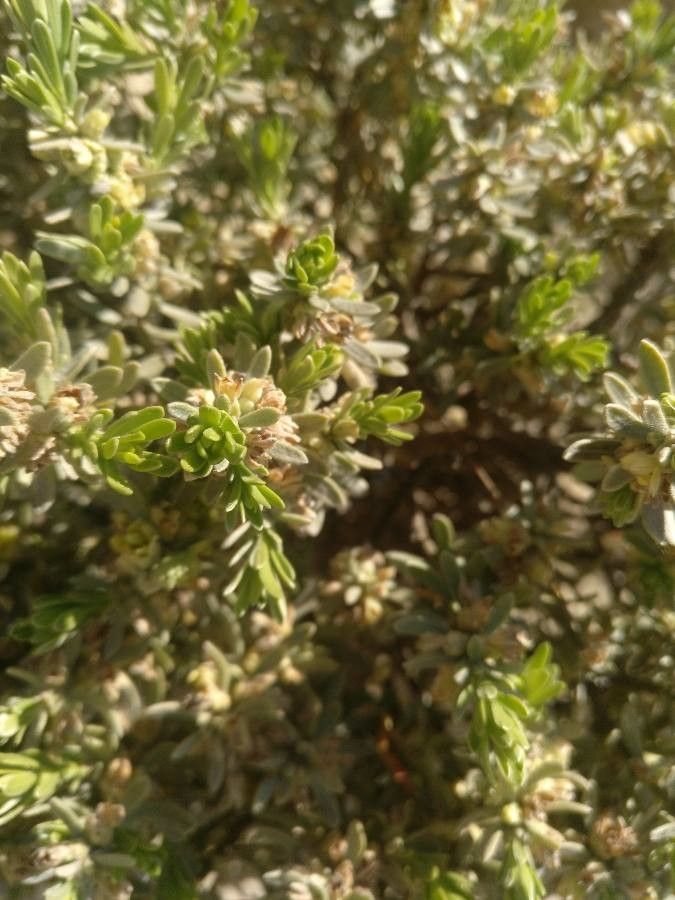
Hey there, fellow garden enthusiasts! I’m so excited to talk to you today about a truly special plant: Thymelaea granatensis. If you’re looking for a plant that offers delicate, often fragrant blooms and a lovely, shrubby form, you’ll adore this one. And the best part? Growing more of them from your existing plants is incredibly rewarding, a real connection to the life cycle of our green friends. Now, for my beginners out there, I’ll be honest, Thymelaea can be a little bit tricky. But don’t let that deter you! With a few key pointers, you’ll be well on your way to success.
The Best Time to Start
For the highest chance of success, I find that late spring or early summer is the sweet spot for propagating Thymelaea granatensis. This is when the plant is actively growing, and the new shoots have started to firm up a bit, but they aren’t woody yet. Think of it as just past the really soft, floppy stage. This provides the perfect material for cuttings.
Supplies You’ll Need
Here’s what you’ll want to have on hand before you get started:
- Sharp Pruning Shears or a Knife: Cleanliness is absolutely key here!
- Rooting Hormone (Optional but Recommended): A good quality rooting powder or gel can give your cuttings a significant boost.
- Well-Draining Potting Mix: I usually mix equal parts peat moss, perlite, and coarse sand. You can also find specialized “seed starting” or “cuttings” mixes at your local garden center.
- Small Pots or Trays: Clean pots are a must. I like using 3-4 inch pots.
- Plastic Bags or a propagator: To create a humid environment.
- Watering Can with a Fine Rose: For gentle watering.
- Labels: To keep track of what you’ve planted and when.
- A Bright, Indirect Light Location: Avoid harsh, direct sun.
Propagation Methods: Stem Cuttings
This is my go-to method for most woody shrubs, and Thymelaea granatensis responds beautifully to it.
- Select Your Cuttings: Using your clean pruning shears, carefully take semi-ripe cuttings from healthy, vigorous stems. Aim for cuttings that are about 4-6 inches long. You want to see a slightly firm stem, not floppy and green, nor hard and woody. Gently snap a stem; if it breaks cleanly, it’s usually a good sign.
- Prepare the Cuttings: Remove the lower leaves from the cutting, leaving just a few at the top. This prevents them from rotting when you insert the cutting into the soil. If your leaves are quite large, I sometimes carefully trim them in half.
- Apply Rooting Hormone (If Using): Dip the cut end of the stem into your rooting hormone, tapping off any excess. This helps stimulate root development.
- Plant the Cuttings: Make a hole in your prepared potting mix with a pencil or your finger. Insert the cutting into the hole, ensuring the leaf nodes (where the leaves were removed) are below the soil surface. Gently firm the soil around the base of the cutting.
- Water Gently: Water thoroughly but gently, making sure the soil is moist but not waterlogged.
The “Secret Sauce” (Pro Tips)
Here are a couple of things I’ve learned over the years that really make a difference with these guys:
- Don’t Let Leaves Touch the Water (in any method): If you’re trying water propagation (though I usually stick to cuttings for Thymelaea), make absolutely sure the leaves aren’t submerged. Any foliage dipping into the water is a one-way ticket to rot.
- Bottom Heat is Your Friend: While not strictly essential, popping your pots on a gentle heat mat designed for propagation can significantly speed up rooting. It mimics the warmth of spring soil and gives those roots a real encouragement to start growing. Just a little warmth, not scorching!
Aftercare & Troubleshooting
Once your cuttings are planted, it’s time for the waiting game!
- Create Humidity: Cover the pots with a clear plastic bag or place them in a propagator. This keeps the humidity high, which is crucial for cuttings while they develop roots. Make sure the bag doesn’t directly touch the leaves; prop it up with a few small sticks if needed.
- Provide Light: Place the pots in a location with bright, indirect light. Avoid direct sun, which can scorch the delicate cuttings and dry out the soil too quickly.
- Watering: Check the soil regularly. It should remain consistently moist but not soggy. If it feels dry to the touch, water gently.
- Rooting: It can take several weeks, even a couple of months, for cuttings to root. You’ll know they’re ready when you see new growth appearing at the top, or when they resist gently tugging.
- Troubleshooting: The most common issue is rot. This usually happens if the cuttings are kept too wet or don’t have enough air circulation. If you see stems turning black and mushy, sadly, that cutting is lost. Remove it immediately to prevent it from affecting others. Another sign of a struggling cutting is wilting that doesn’t perk up after watering. This could indicate it hasn’t rooted.
A Encouraging Closing
Don’t get discouraged if not every cutting takes. Gardening is all about learning and experimenting! Be patient with your Thymelaea granatensis cuttings. Observe them, adjust your care as needed, and most importantly, enjoy the exciting process of bringing new life into your garden. Happy propagating!
Resource:
https://identify.plantnet.org/k-world-flora/species/Thymelaea%20granatensis%20(Pau)%20Lacaita/data