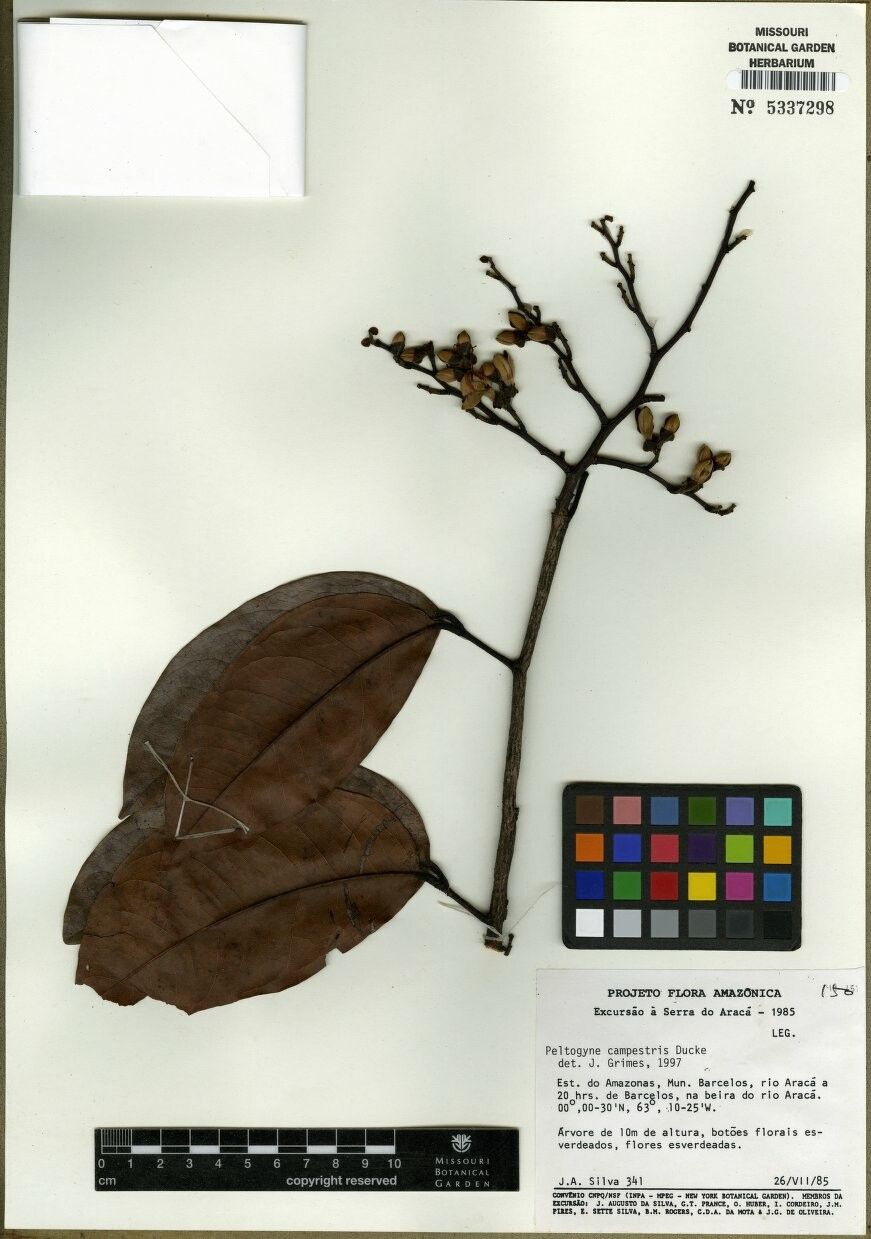
Hello fellow plant enthusiasts! Today, we’re diving into the wonderful world of Peltogyne campestris, also known as the Purpleheart. This tropical beauty, with its striking violet heartwood that deepens in color as it matures, truly is a showstopper. Seeing one of these magnificent trees grow from a tiny cutting is incredibly satisfying. Now, I won’t sugarcoat it – propagating Purpleheart can be a bit of a journey, especially for absolute beginners. It requires some patience and attention to detail, but the rewards are absolutely worth it.
The Best Time to Start
For the highest success rate, you’ll want to take cuttings when the plant is actively growing. Think late spring through summer. This is when young, flexible stems are readily available, and the plant has the energy to heal and root. Avoid taking cuttings during dormancy periods.
Supplies You’ll Need
Here’s a little toolkit to have ready:
- Sharp pruning shears or a clean knife: For making clean cuts.
- Rooting hormone powder or gel: This really boosts your chances.
- Well-draining potting mix: A good blend of perlite, peat moss, and a bit of compost works wonders. You can also find specific succulent or cactus mixes.
- Small pots or seedling trays: With drainage holes, of course!
- Plastic bags or a propagator: To create a humid environment.
- Watering can or spray bottle: For gentle watering.
- Gloves: Optional, but good for keeping your hands clean and protecting yourself from sticky sap.
Propagation Methods
Let’s get our hands dirty! The most reliable way to propagate Purpleheart is through stem cuttings.
- Select and Cut: Choose a healthy, semi-hardwood stem that is about 6-8 inches long. You want a stem that’s neither too soft (green and bendy) nor too woody. Using your sharp shears or knife, make a clean cut just below a leaf node (where a leaf attaches to the stem). Remove the lower leaves, leaving only a few at the very top.
- Apply Rooting Hormone: Dip the cut end of the stem into your rooting hormone, ensuring it’s evenly coated. Tap off any excess.
- Plant Your Cutting: Gently insert the hormone-coated end into your prepared potting mix, about 1-2 inches deep. You can make a small hole with a pencil or dowel to avoid rubbing off the hormone.
- Create a Humid Environment: Water the soil gently until it’s moist but not waterlogged. Then, cover the pot with a clear plastic bag or place it in a propagator. This creates a mini-greenhouse effect, which is crucial for cuttings to root without drying out. Ensure the leaves don’t touch the plastic bag.
The “Secret Sauce” (Pro Tips)
Here are a few tricks I’ve picked up over the years:
- Bottom Heat is Your Best Friend: For a real jumpstart, place your pots on a heating mat. This consistently warm soil temperature encourages root development much faster than ambient room temperature alone.
- Cleanliness is Key: Always use sterilized tools and pots. This significantly reduces the risk of fungal infections, which are the bane of cuttings.
- Patience with the Sap: Purpleheart is known for its sticky, purplish sap. If it’s oozing excessively on your cutting, you can gently wipe it away with a damp cloth, but don’t worry too much about it. It’s just part of its charm!
Aftercare & Troubleshooting
Once your cuttings are planted and covered, find a bright spot with indirect light. Avoid direct sun, as it can scorch the delicate leaves. Keep the soil consistently moist but never soggy. You might need to mist the leaves occasionally if you’re not using a plastic bag to maintain humidity.
Be patient! It can take anywhere from 4 to 8 weeks, or even longer, for roots to form. You’ll know they’re ready when you gently tug on the cutting and feel resistance, or if you see new leaf growth.
The most common issue you’ll face is rot. If your cutting starts to look mushy or black at the base, it’s a sign of too much moisture and poor air circulation. Sadly, this usually means it’s unsalvageable. If you see mold on the soil, try to scrape it off or increase ventilation.
A Encouraging Closing
Growing plants from cuttings is a wonderfully rewarding experience. It’s a chance to connect with nature on a deeper level and multiply the beauty in your garden. Don’t be discouraged if your first attempt isn’t perfect. Every gardener has had failures. Just keep experimenting, keep observing, and most importantly, enjoy the process of nurturing new life! Happy propagating!
Resource:
https://identify.plantnet.org/k-world-flora/species/Peltogyne%20campestris%20Huber%20ex%20Ducke/data