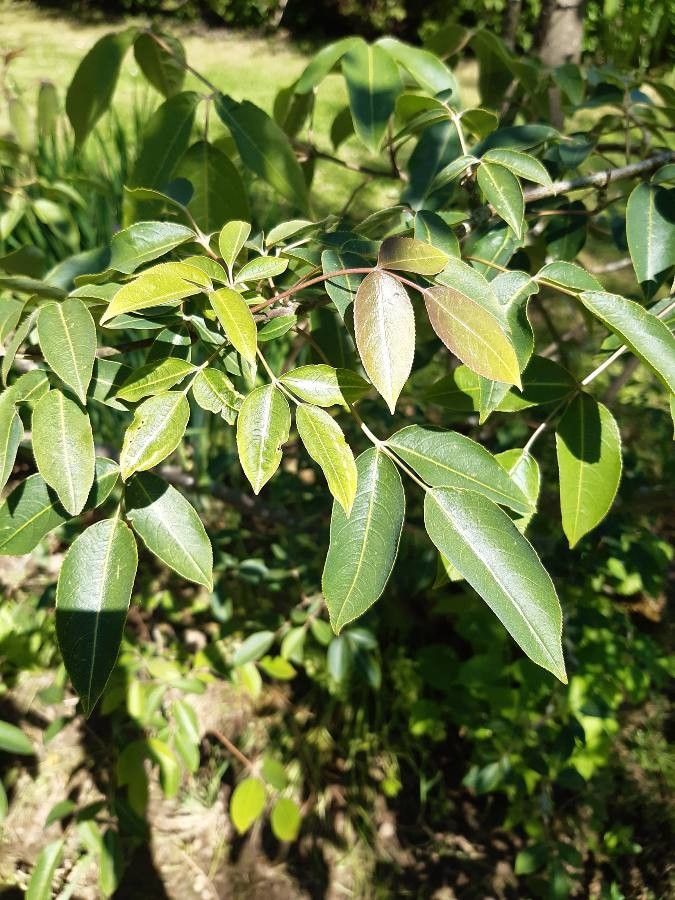
Oh, Staphylea holocarpa! If you’ve ever found yourself captivated by those delicate, nodding white flowers in spring, followed by those fascinating, papery bladdery fruits, then you know exactly why this plant is so special. I’ve been growing them for years, and successfully propagating them is incredibly rewarding. It’s not the absolute easiest plant to start from scratch, but with a little patience and the right approach, you’ll be well on your way to filling your garden (or a friend’s!) with these beauties.
The Best Time to Start
For Staphylea holocarpa, late spring to early summer is generally your sweet spot. This is when the plant is actively growing, and the stems have matured enough to be successfully rooted. We’re looking for semi-hardwood cuttings – stems that are no longer floppy and green but haven’t completely hardened off into woody branches.
Supplies You’ll Need
Here’s what you’ll want to have on hand:
- Sharp, clean pruning shears or a sharp knife: For making clean cuts.
- Rooting hormone: A good quality powder or gel will significantly boost your success rate.
- A well-draining potting mix: A 50/50 blend of perlite and peat moss or coco coir works wonders. You can also buy specialized seed starting or propagation mixes.
- Small pots or trays: Clean pots, about 4-6 inches deep, are ideal.
- Plastic bags or a propagator: To create a humid environment for your cuttings.
- Water: For misting and watering.
Propagation Methods
My favorite and most reliable method for Staphylea holocarpa is stem cuttings. Here’s how I do it:
- Take your cuttings: On a cool, overcast morning (or after misting the parent plant), select healthy shoots that are about 6-8 inches long. Using your sharp pruners, make a clean cut just below a leaf node.
- Prepare the cuttings: Gently remove the leaves from the bottom two-thirds of the stem. If any leaves are very large, you can cut them in half to reduce water loss.
- Apply rooting hormone: Dip the cut end of each stem into your rooting hormone, ensuring it’s coated all around. Tap off any excess.
- Plant the cuttings: Fill your clean pots with the prepared potting mix. Make a hole with a pencil or your finger, then insert the cutting, ensuring the nodes where you removed leaves are below the soil surface. Gently firm the soil around the stem.
- Water and cover: Water the soil thoroughly to settle it around the cuttings. Then, place a plastic bag over the pot, creating a mini-greenhouse effect. You can use stakes to keep the bag from touching the leaves. Alternatively, place the pots inside a propagator.
The “Secret Sauce” (Pro Tips)
- Don’t be shy with the rooting hormone. While you don’t need to “drown” the stem, a good coating is vital for encouraging healthy root development.
- Bottom heat is your friend. If you have a seedling heat mat, placing your pots on it can significantly speed up rooting. It mimics the warmth of the soil in spring and encourages root growth from below. Aim for a consistent temperature of around 70-75°F (21-24°C).
- Use sterile tools and pots religiously. This is one of the biggest reasons cuttings fail – disease. Always clean your pruners, knives, and pots thoroughly before starting.
Aftercare & Troubleshooting
Once you’ve got your cuttings planted, keep them in a bright location out of direct sunlight. Mist the leaves regularly if you’re not using a propagator with a lid, and check the soil moisture. It should be consistently moist but never soggy.
You’ll know your cuttings are rooting when you see new leaf growth or feel a slight resistance when you gently tug on the stem. This usually takes anywhere from 4 to 8 weeks, sometimes longer.
The most common sign of failure is rotting. If your cuttings turn mushy, black, or start to smell foul, they’ve likely succumbed to rot. This is often due to too much moisture, poor drainage, or a lack of air circulation. If you see a slight bit of wilting, don’t panic! It might just be the cutting adjusting. However, if it persists and you’re not seeing any signs of rooting, it’s usually a sign they haven’t made it.
Once your cuttings have a decent root system (you can gently check by looking for roots through the drainage holes or trying to very carefully lift one), it’s time to transplant them into individual pots. Continue to treat them with care, similar to how you would a young seedling.
A Encouraging Closing
Propagating Staphylea holocarpa might take a little fussing, but the satisfaction of nurturing a new plant from a simple stem is truly wonderful. Be patient with the process. Not every cutting will take, and that’s perfectly okay! Learn from each attempt, keep your tools clean, and soon you’ll have more of these delightful shrubs than you know what to do with. Happy gardening!
Resource:
https://identify.plantnet.org/k-world-flora/species/Staphylea%20holocarpa%20Hemsl./data