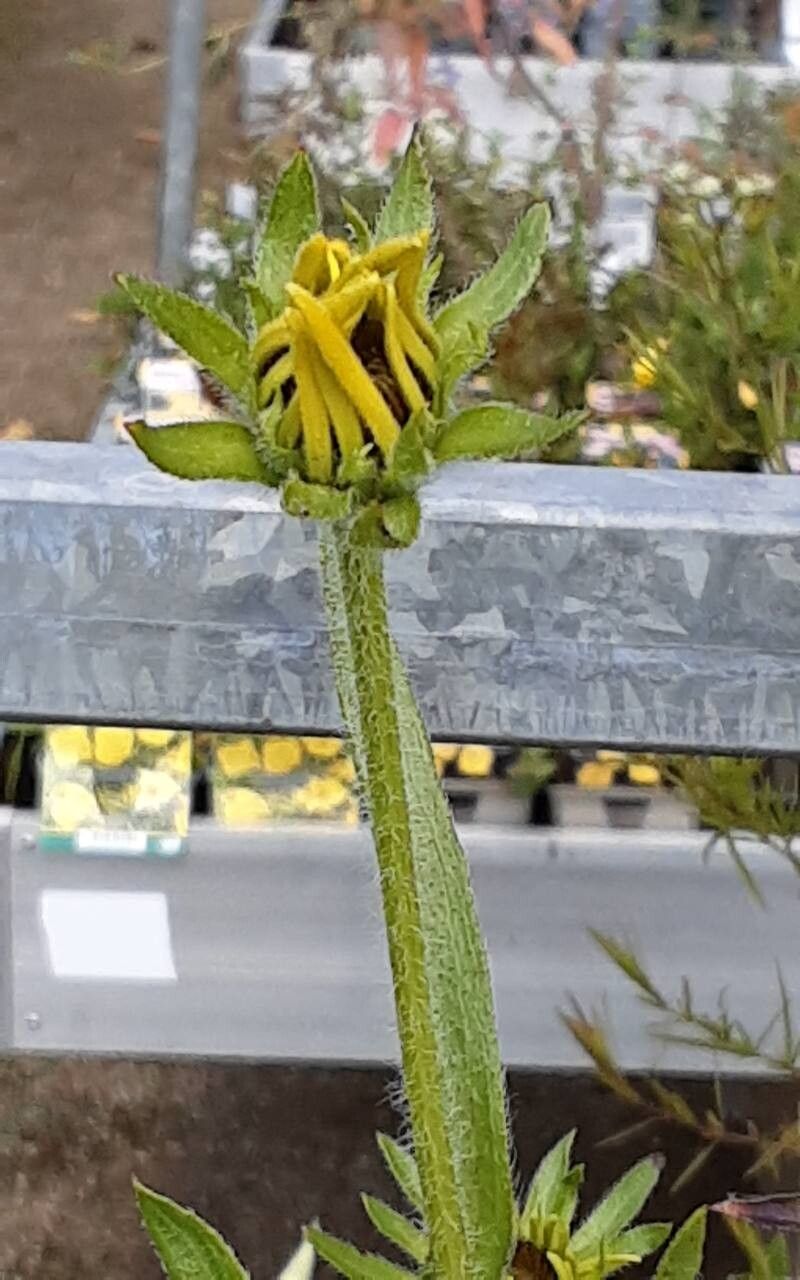
Oh, hello there! Come on in, grab a mug. I’m so glad you’re interested in Rudbeckia missouriensis. Those sunny, cheerful faces just brighten up any garden, don’t they? If you’ve ever admired them and thought, “I’d love more of those!” then you’re in the right place. Propagating your own Rudbeckia missouriensis is incredibly rewarding, and good news – it’s quite achievable, even for those of you just dipping your toes into the gardening world. Let’s get these beauties multiplying!
The Best Time to Start
Timing is everything, as any seasoned gardener will tell you. For Rudbeckia missouriensis, the late spring to early summer is your sweet spot. This is when the plant is actively growing and has plenty of energy to put into new roots. You’ll want to take cuttings from healthy, non-flowering stems. If you miss this window, don’t despair! You can often have success with division in the early spring as soon as the soil can be worked.
Supplies You’ll Need
Gather your tools before you begin. It makes the whole process smoother.
- Sharp pruning shears or a clean, sharp knife: For taking clean cuts.
- Rooting hormone (optional but helpful!): I often opt for a powder form for cuttings.
- Propagation pots or small containers: Clean and with drainage holes.
- Well-draining seed starting mix or a 50/50 blend of peat moss and perlite: Crucial for preventing soggy roots.
- Watering can or spray bottle: For gentle watering.
- Plastic bags or a clear dome: To create a humid environment for cuttings.
- Labels: So you don’t forget what you’ve planted!
Propagation Methods
Let’s get our hands dirty! I find both stem cuttings and division to be the most straightforward for Rudbeckia missouriensis.
Stem Cuttings:
- Take the Cuttings: In late spring or early summer, select a healthy, non-flowering stem. Using your sharp shears, make a cut just below a leaf node (where a leaf attaches to the stem). You want cuttings that are about 4-6 inches long. Remove the lower leaves, leaving just the top two or three.
- Prepare the Cuttings: If you’re using rooting hormone, dip the cut end of the stem into the powder, tapping off any excess.
- Planting: Fill your clean pots with your well-draining mix. Make a small hole in the center of the soil with your finger or a pencil. Gently insert the cut end of the stem into the hole, ensuring at least one leaf node is buried. Firm the soil gently around the stem.
- Water and Cover: Gently water the soil until it’s evenly moist. I like to use a spray bottle for this initial watering. Then, cover the pot with a plastic bag or a clear dome to create a mini-greenhouse. This keeps the humidity high, which is vital for successful rooting.
- Placement: Place your pots in a bright spot that receives indirect sunlight. Avoid direct sun, which can scorch the delicate cuttings.
Division:
- Timing is Key: Do this in early spring before new growth really takes off.
- Dig Up the Plant: Carefully dig around the base of the established Rudbeckia missouriensis plant. You want to lift the entire root ball out of the ground.
- Separate the Divisions: Gently shake off some of the excess soil. You should be able to see natural divisions in the clump. Using your hands, or a clean trowel if it’s a tough clump, gently pull or cut the root ball apart into smaller sections. Each division should have a good amount of roots and at least one or two growth buds.
- Replant: Immediately replant the divisions into their new spots in your garden or into pots filled with good soil. Water them in well.
The “Secret Sauce” (Pro Tips)
Here are a few little tricks I’ve picked up over the years that can give you an extra edge.
- Don’t Let Those Leaves Touch the Water (for water propagation, if you ever try it): While I prefer soil for Rudbeckia, if you decide to try water propagation, it’s essential that the leaves of your cuttings don’t sit in the water. They’ll rot quickly. Only the stem should be submerged.
- Bottom Heat Works Wonders: For stem cuttings, a gentle warmth from below can significantly speed up root development. A seedling heat mat placed under your pots makes a big difference during those cooler spring days. Don’t make it too hot – just a gentle warmth.
- A Little Experimentation is Good: While I recommend the above methods, don’t be afraid to try a few variations. Sometimes, a cutting taken slightly later in the season, or one with a slightly different leaf arrangement, will surprise you with its success!
Aftercare & Troubleshooting
Once you see signs of new growth, your cuttings are likely on their way to becoming independent plants!
- Gradual Acclimation: Once roots have formed (you can gently tug on a cutting; if there’s resistance, it’s rooted), begin to gradually remove the plastic bag or dome for increasing periods each day. This helps the new plants adjust to normal humidity levels.
- Potting Up: When your young plants have developed a decent root system and are strong enough to handle, pot them up into larger containers with good quality potting soil. Continue to water them regularly, but avoid overwatering.
- Watch for Rot: The most common issue you’ll encounter is rot, often caused by too much moisture and poor drainage. If a cutting looks limp, mushy, or discolored, it’s probably succumbed to rot. Remove it immediately to prevent it from spreading. Ensure your soil mix is airy and your pots have drainage.
A Little Patience Goes a Long Way
Watching a tiny cutting transform into a thriving plant is one of gardening’s greatest joys. Be patient with the process. Not every cutting will take, and that’s perfectly okay! Each attempt is a learning experience. Enjoy the journey of coaxing new life from your favorite Rudbeckia missouriensis. Happy gardening!
Resource: