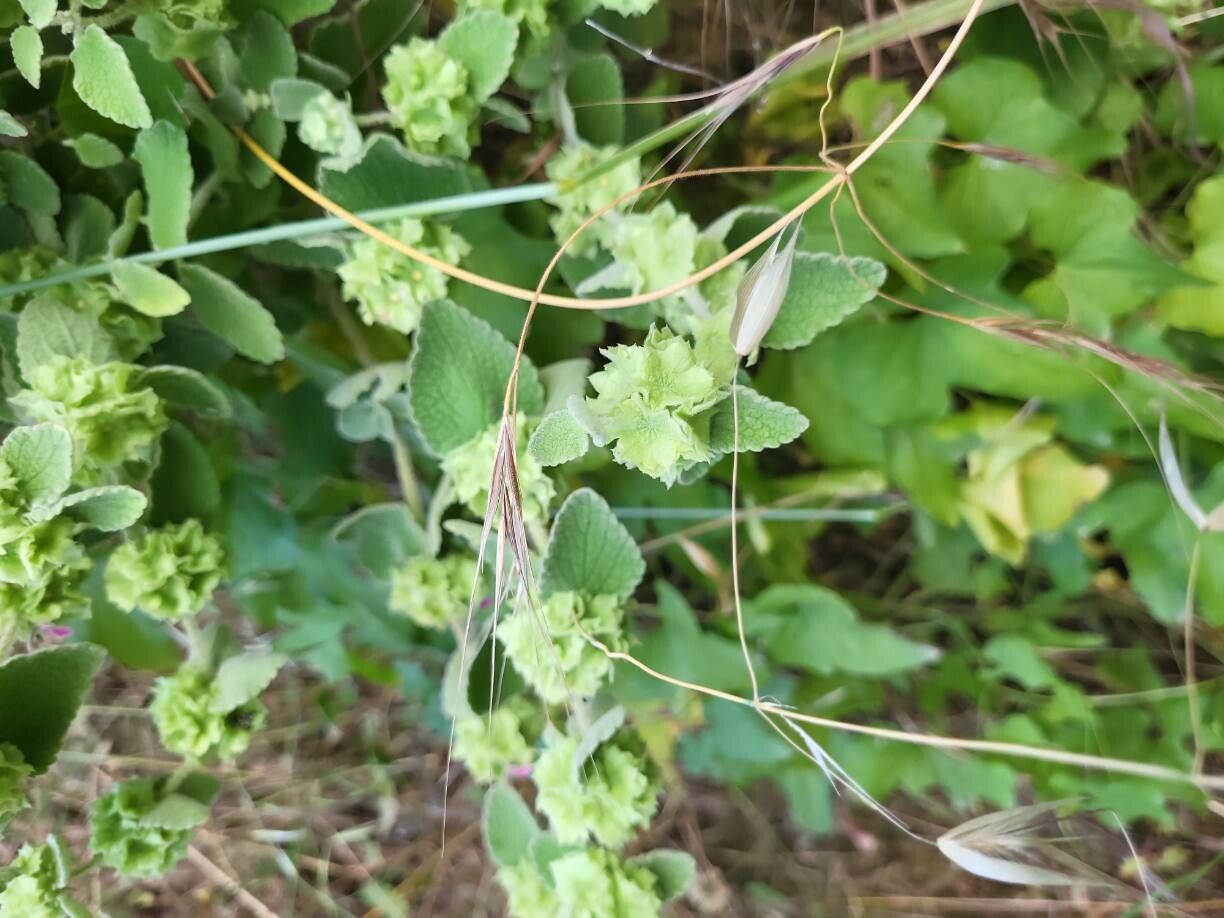
Hello fellow garden enthusiasts! I’m so glad you’re here. Today, we’re diving into the wonderful world of propagating Pseudodictamnus acetabulosus. This lovely plant, with its delicate, often silvery foliage and charming little flowers, is a real gem in the garden. It brings a touch of subtle beauty and scent, and trust me, the satisfaction of nurturing a new plant from a tiny cutting is truly something special. Now, I’ll be honest, Pseudodictamnus acetabulosus can be a tad particular about when and how it likes to be propagated. It’s not usually the first plant I’d hand to an absolute beginner, but with a little patience and these tips, you absolutely can succeed!
The Best Time to Start
The sweet spot for propagating Pseudodictamnus acetabulosus is in late spring to early summer. This is when the plant is actively growing, meaning it has plenty of energy to put into rooting. Look for lush, new growth that’s just starting to firm up – often called semi-hardwood cuttings. Avoid very soft, floppy new shoots, and definitely steer clear of woody, mature stems from the previous year.
Supplies You’ll Need
Gathering your tools beforehand makes the whole process smoother. Here’s what I always have on hand:
- Sharp Pruning Shears or a Craft Knife: Clean cuts are crucial for preventing disease.
- Rooting Hormone (Optional, but Recommended): A good quality rooting powder or gel can give your cuttings a nice boost.
- Well-Draining Potting Mix: I usually mix about 2 parts perlite to 1 part peat moss, or a commercial seed-starting mix. You want it light and airy.
- Small Pots or Trays: Clean pots are a must. About 4-inch pots are usually a good size to start.
- Clear Plastic Bags or a Propagation Dome: This helps create a humid environment.
- Watering Can with a Fine Rose: For gentle watering.
- Label and Marker: Always label your cuttings!
Propagation Methods
For Pseudodictamnus acetabulosus, I find stem cuttings to be the most reliable method.
- Take Your Cuttings: On a mild morning, select healthy stems and use your clean shears to cut pieces about 4-6 inches long. Make the cut just below a leaf node (where a leaf attaches to the stem).
- Prepare the Cuttings: Gently remove the lower leaves from the bottom half of the cutting. If you have any flowers or flower buds, pinch those off. They take energy away from root development.
- Apply Rooting Hormone (if using): Dip the cut end of the stem into the rooting hormone, tapping off any excess.
- Pot Them Up: Fill your clean pots with your prepared, slightly moist potting mix. Make a small hole with your finger or a pencil, and insert the cutting. Firm the soil gently around it. You can fit several cuttings into one pot, ensuring they aren’t touching each other.
- Create a Humid Environment: Water the soil gently. Then, cover the pots with a clear plastic bag, propping it up with skewers so it doesn’t touch the leaves, or place the pot under a propagation dome.
The “Secret Sauce” (Pro Tips)
Here’s where a little experience comes in handy. These tricks have saved more than a few cuttings for me:
- Don’t Overwater the Mix Now: You want the potting mix to be moist, but not soggy. Constantly waterlogged soil is the fastest way to invite rot before roots even have a chance to form.
- Bottom Heat is Your Friend: If you have a heat mat designed for seedlings, placing your pots on it can really speed up rooting. It mimics the warmth of early summer soil and encourages the plant to put out those roots.
- A Little Airflow Goes a Long Way: While humidity is key, completely sealing the pot for weeks on end can also contribute to fungal issues. Once a week, I often lift the plastic bag for a few minutes to give the cuttings a bit of fresh air.
Aftercare & Troubleshooting
Once your cuttings are potted, place them in a bright, indirect light location. Avoid direct sun, which can scorch them. Keep the soil consistently moist but not wet. You should start to see signs of new growth – tiny leaves emerging – within 4-6 weeks. You can gently tug on a cutting; if there’s resistance, roots have formed!
The biggest challenge you might face is rot. This usually manifests as a mushy, blackened stem at the soil line. If you see this, sadly, that cutting is likely lost. It’s often a sign of too much moisture or poor air circulation in the early stages. Don’t get discouraged! It happens to the best of us. Just discard the rotted cutting and try again.
A Encouraging Closing
Propagating plants is a journey, a beautiful dance with nature. Be patient with your Pseudodictamnus acetabulosus cuttings. It might take a little time, and there might be a few hiccups along the way, but the reward of seeing those roots develop and a new plant flourish is absolutely worth it. Enjoy the process, and happy gardening!
Resource: