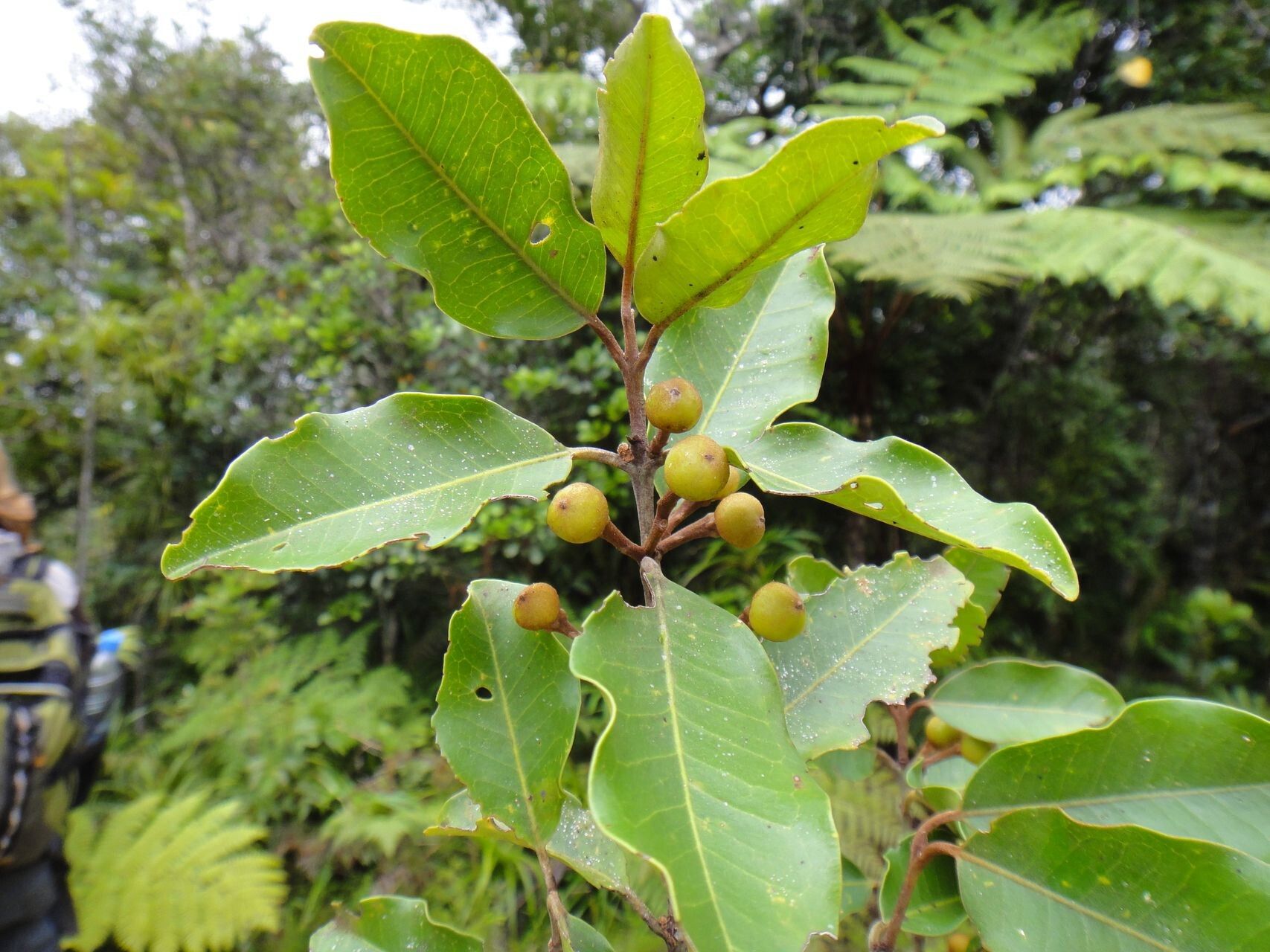
Hey there, fellow garden enthusiasts! Today, we’re diving into the wonderful world of propagating Austrobuxus ovalis, or as I affectionately call it, the “evergreen gem.” If you’ve ever admired its lush, glossy foliage and its ability to add structure to any garden bed, you’re in for a treat. Growing a new plant from cuttings is incredibly rewarding. It’s like magic, isn’t it? Watching a tiny snippet transform into a thriving specimen. For beginners, I’d say Austrobuxus ovalis is moderately easy to propagate. It requires a little attention, but the success rate is good if you follow a few key steps.
The Best Time to Start
Timing is everything in gardening, and propagation is no exception! The ideal window for taking cuttings of Austrobuxus ovalis is in late spring to early summer, generally from May to July. This is when the plant is actively growing and has plenty of energy to put into rooting. Look for stems that are semi-hardwood – not brand new and soft, but not old and woody either. They should be pliable and snap cleanly when bent.
Supplies You’ll Need
Gathering your supplies beforehand makes the whole process smoother. Here’s what you’ll want to have on hand:
- Sharp pruning shears or a clean, sharp knife: For making clean cuts to avoid damaging the stems.
- Rooting hormone powder or gel: This isn’t strictly essential, but it definitely gives you a good boost!
- Well-draining potting mix: A special blend for cuttings works best. I like to use a mix of perlite and peat moss, or a commercial seed-starting mix. You want air and drainage but also some moisture retention.
- Small pots or seed trays: Clean ones are crucial to prevent disease.
- Plastic bags or a clear propagator: To create a humid environment.
- A dibber or pencil: For making holes in the soil.
- Label stakes and a marker: So you don’t forget what you planted where!
- Watering can with a fine rose: For gentle watering.
Propagation Methods
I’ve found success with stem cuttings for Austrobuxus ovalis, and it’s the most straightforward method for many gardeners. Let’s give it a go!
Stem Cuttings:
- Take the Cuttings: On a cooler, overcast day if possible, use your sharp shears to take cuttings from healthy, vigorous parent plants. Aim for pieces that are about 4-6 inches long. Make the cut just below a leaf node (where a leaf attaches to the stem).
- Prepare the Cuttings: Remove the lower leaves from the stem, leaving just 2-3 leaves at the top. This prevents leaves from rotting when they touch the soil. If the remaining leaves are very large, you can even cut them in half to reduce water loss through transpiration.
- Apply Rooting Hormone: Dip the cut end of each stem into rooting hormone powder or gel. Tap off any excess. This step is like giving your cutting a little “encouragement” to start growing roots.
- Plant the Cuttings: Fill your clean pots with your well-draining potting mix. Use a dibber or pencil to make a hole in the center of each pot. Gently insert the hormone-dipped end of the cutting into the hole, ensuring the nodes where you removed the leaves are buried. Firm the soil gently around the stem.
- Water Gently: Water the soil thoroughly but gently. You want the soil to be moist, not waterlogged.
- Create Humidity: Place a clear plastic bag over the pot, securing it with a rubber band. Make sure the bag doesn’t touch the leaves too much, or poke holes in the bag if you’re worried about that. Alternatively, place the pots inside a propagator. This creates a mini-greenhouse effect, keeping the humidity high, which is vital for cuttings that can’t yet absorb water through their roots.
- Place in a Bright Spot: Position the pots in a bright spot, but out of direct sunlight. A warm windowsill out of harsh sun is ideal.
The “Secret Sauce” (Pro Tips)
Here are a couple of tricks I’ve learned over the years that can make a real difference.
- Bottom Heat is Your Friend: Austrobuxus ovalis absolutely loves a bit of warmth from below. If you can, place your pots on a heated propagator mat or near a heat vent. This encourages root development much faster than ambient room temperature alone. You’ll often see roots forming about twice as quickly!
- Don’t Overwater, But Don’t Let Them Dry Out: This is a delicate balance. The soil should stay consistently moist, like a wrung-out sponge. Check the moisture level by pressing your finger into the soil. If it feels dry an inch down, it’s time for a gentle watering. Avoid letting them dry out completely, as this can kill the developing roots.
Aftercare & Troubleshooting
Be patient! It can take anywhere from 4 to 8 weeks, or even longer, for your Austrobuxus ovalis cuttings to develop a good root system. You can test for roots by giving a gentle tug on the cutting. If you feel resistance, roots are forming!
Once roots are established, you can gradually acclimate them to lower humidity by opening the plastic bag a little each day. Once you remove the bag entirely, continue to keep the soil moist and in that bright, indirect light. When the plants are a few inches tall and have a robust root system, you can transplant them into individual, slightly larger pots with a good quality potting mix.
The most common sign of failure is rotting. If your cuttings turn black and mushy, it’s usually a sign of too much moisture and not enough air circulation, or the presence of disease. Unfortunately, there’s no coming back from rot, so it’s best to discard them and start again, paying close attention to your watering and soil drainage next time. Yellowing leaves can sometimes indicate the plant is stressed, possibly due to too much or too little water, or inconsistent temperatures.
A Encouraging Closing
Propagating plants is a journey, and each attempt is a learning experience. Don’t get discouraged if your first few tries aren’t perfect. The satisfaction of nurturing a brand-new Austrobuxus ovalis from a simple cutting is truly wonderful. So, grab your shears, get your hands dirty, and enjoy the process of creating more green beauty for your garden! Happy propagating!
Resource:
https://identify.plantnet.org/k-world-flora/species/Austrobuxus%20ovalis%20Airy%20Shaw/data