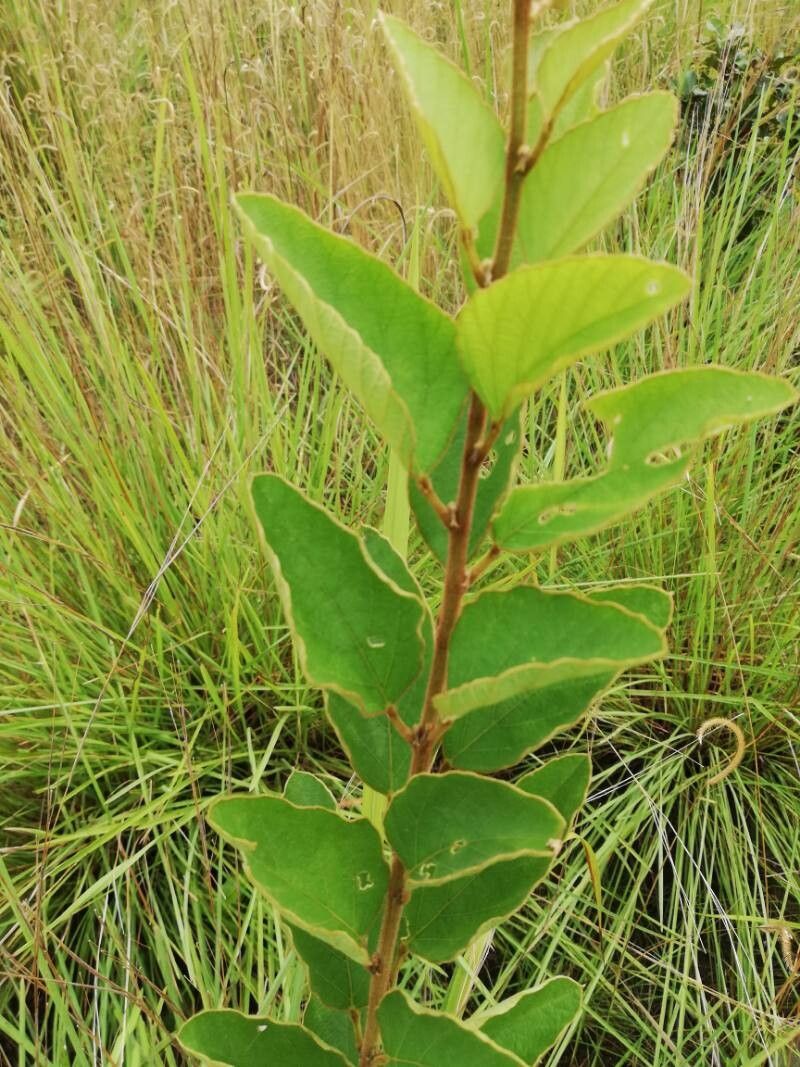
Oh, hello there, fellow plant enthusiasts! It’s so lovely to have you join me today. We’re going to talk about a truly delightful plant: Polhillides velutina. If you’re looking for a plant that brings a wonderful softness to your space with its velvety leaves and charming blooms, you’ve found a gem. And the even better news? Propagating Polhillides velutina is a wonderfully rewarding way to expand your collection and share its beauty with friends. Don’t let any intimidation factor hold you back – while it’s not exactly a “set it and forget it” kind of plant, with a little care and attention, propagating it is quite achievable, even for those relatively new to the green arts.
The Best Time to Start
When it comes to getting the best results, spring and early summer are your golden ticket. This is when your Polhillides velutina is in its most vigorous growth phase. New shoots are abundant, and the plant has plenty of energy to put into developing new roots. Trying to propagate too late in the year, when growth starts to slow down, can make the process a bit trickier. So, aim for when the days are getting longer and warmer.
Supplies You’ll Need
To make this propagation journey a smooth one, gather these essentials:
- Sharp, clean pruning shears or a sharp knife: For making clean cuts.
- Rooting hormone (optional but recommended): A little powder or gel can give your cuttings a helpful boost.
- Well-draining potting mix: A blend of peat moss, perlite, and a bit of compost works wonders. You can also find specific cutting mixes that are excellent.
- Small pots or propagation trays: Clean ones are crucial to prevent disease.
- Plastic bags or a propagation dome: To maintain humidity around your cuttings.
- Watering can with a fine rose: For gentle watering.
- A small trowel or dibber: For making holes in the soil.
Propagation Methods
Let’s dive into the most effective ways to multiply your Polhillides velutina.
Stem Cuttings: My Go-To Method
This is my personal favorite for this plant. It’s reliable and gives you a good chance of success.
- Select Your Cuttings: Look for healthy, non-flowering stems that are about 4-6 inches long. Make sure they have at least two sets of leaves.
- Make the Cut: Using your sharp pruning shears or knife, make a clean cut just below a leaf node (where a leaf attaches to the stem). This is where the plant is most likely to form roots.
- Prepare the Cutting: Gently remove the leaves from the bottom half of the cutting. You want to expose at least one or two nodes. If your cutting has very large leaves, you can cut them in half horizontally to reduce water loss.
- Apply Rooting Hormone (Optional): Dip the cut end into your rooting hormone powder or gel. Just tap off any excess.
- Plant the Cutting: Moisten your potting mix in the small pot or tray. Use your trowel or dibber to make a hole, then gently insert the cutting, burying the lower nodes. Firm the soil gently around the stem.
- Create a Humid Environment: Water thoroughly but gently. Then, cover the pot with a plastic bag, pulling it up to the rim and securing it with a rubber band, or place it under a propagation dome. You want to create a mini greenhouse effect. Place it in a location with bright, indirect light.
Water Propagation: Simplicity at Its Finest
This is a great option if you’re feeling a bit nervous about soil.
- Gather Cuttings: Follow steps 1 and 2 from the stem cutting method.
- Remove Lower Leaves: Just like with soil propagation, remove the leaves from the bottom half of the stem.
- Place in Water: Put your cuttings into a clean jar or glass filled with fresh water. Make sure no leaves are submerged in the water. This is key to preventing rot.
- Find a Bright Spot: Place the jar in a bright location with indirect light.
- Change Water Regularly: Change the water every few days to keep it fresh and prevent bacterial growth.
The “Secret Sauce” (Pro Tips)
Here are a few things I’ve learned over the years that make a real difference:
- Bottom Heat is Your Friend: If you’re using the soil propagation method, placing your pots on a heating mat designed for plants can significantly speed up root development. It mimics the warmth of spring soil.
- Air Circulation Matters: While you want humidity, it’s also important to lightly ventilate your propagated cuttings every few days. This helps prevent fungal issues. Just lift the bag or dome for a few minutes.
- Don’t Rush the Transplant: Be patient! It can take anywhere from 4-8 weeks, sometimes longer, for roots to develop. You’ll know they’re ready when you see new leaf growth or when the cutting resists gently tugging. It’s better to wait a little longer than to transplant too soon.
Aftercare & Troubleshooting
Once your cuttings have developed a good root system (usually an inch or two long for water propagation, or when you see new growth for soil), it’s time to give them their own little home.
Carefully transplant your rooted cuttings into small pots filled with your well-draining potting mix. Water them gently and continue to keep them in bright, indirect light. Gradually acclimate them to less humid conditions over a week or two.
Now, what if things go wrong? The most common culprit is rot. If you see your stem turning black and mushy, it’s likely rot has set in. This often happens from too much moisture, poor air circulation, or contaminated tools. It’s heartbreaking, but don’t despair! You can try taking a fresh cutting and ensure you’re following the humidity and ventilation advice. Overwatering is also a big no-no once roots have formed. Let the soil dry out slightly between waterings.
A Little Patience, A Lot of Joy
Propagating Polhillides velutina is a beautiful way to deepen your connection with your plants. Be patient, observe your cuttings, and don’t be afraid to learn from any setbacks. Each new plant you grow is a little victory, a testament to your green thumb and your dedication. Happy propagating!
Resource: