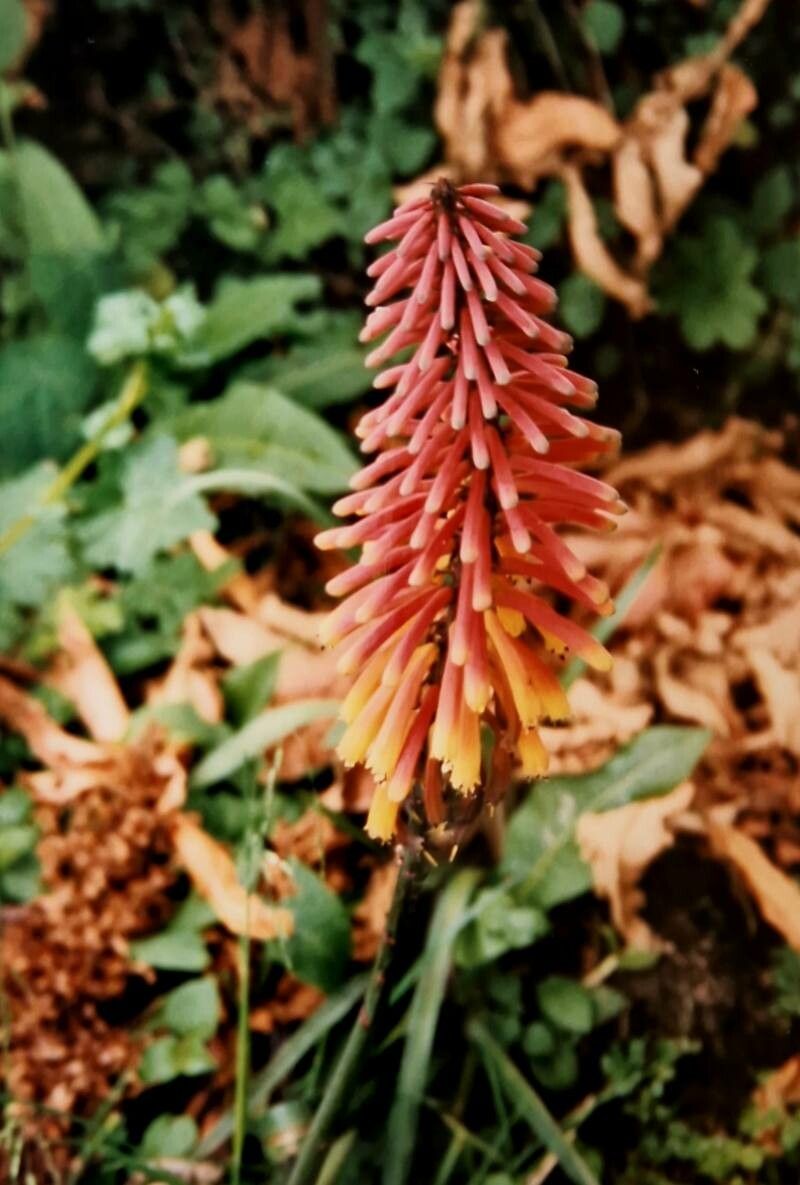
Hello, fellow garden enthusiasts! I’m so glad you’ve stopped by. Today, we’re diving into the wonderful world of propagating Kniphofia thomsonii, or as many of us affectionately call them, Thomson’s Redhot Poker.
If you’ve ever admired those fiery spikes of orange and red gracing a garden, you know just how dramatic this plant is. It’s a fantastic focal point, attracting pollinators and bringing a real pop of color. And the best part? You can easily multiply this beauty yourself! While not as simple as dividing a hosta, propagating Kniphofia thomsonii is definitely achievable for beginners with a little patience and the right approach. It’s incredibly rewarding to nurture a new plant from a tiny piece of its parent.
The Best Time to Start
The sweet spot for propagating Kniphofia thomsonii is typically in the late spring or early summer. This is when the plant is actively growing, and its energy is directed towards producing new shoots. Waiting until after the main flowering period is also a good bet, as the plant will have built up reserves. You want healthy, vigorous parent material, so avoid any plants that look stressed or unwell.
Supplies You’ll Need
Gathering your tools before you begin makes the whole process much smoother. Here’s what I recommend:
- Sharp, clean pruning shears or a knife: For making clean cuts.
- Rooting hormone (optional but helpful): A powder or liquid to encourage root development.
- Well-draining potting mix: A blend of equal parts peat moss or coco coir, perlite, and compost works beautifully. You can also use a dedicated cactus or succulent mix.
- Small pots or containers: About 4-6 inches in diameter, with drainage holes.
- Plastic bags or a propagation dome: To create a humid environment.
- Watering can with a fine rose attachment: For gentle watering.
- Labels: To mark your new plants!
Propagation Methods
There are a couple of tried-and-true ways to get more Thomson’s Redhot Pokers. I find division to be the most successful for this particular plant.
Division
This is my go-to method for Kniphofia thomsonii. It’s best done in early spring as new growth emerges, or in early autumn after the heat of summer has passed.
- Gently excavate: Using a spade or garden fork, carefully dig around the base of the mature plant. Try to disturb the root ball as little as possible. Lift the entire plant out of the ground.
- Inspect the roots: You’ll notice that Kniphofias form clumps with multiple crowns. Look for distinct sections that have their own root systems.
- Separate the divisions: Using your hands, a sharp spade, or even a sturdy knife, gently pull or cut apart the divisions. Aim for sections that have at least one or two healthy shoots and a good amount of root attached. Don’t worry if you lose a few smaller roots; it’s part of the process.
- Potting up: Fill your clean pots with the well-draining potting mix. Make a small hole in the center and place your division, ensuring the crown (where the leaves emerge) is at or slightly above soil level. Firm the soil around the roots.
- Water thoroughly: Water the newly potted divisions gently but thoroughly until water drains from the bottom.
Stem Cuttings (Less Common but Possible)
While division is preferred, you can also try taking basal cuttings from new shoots in late spring.
- Select a healthy shoot: Look for a new, non-flowering shoot that is at least 4-6 inches long and has a few leaves.
- Make a clean cut: Using your sharp pruners, cut the shoot as close to the base as possible, making sure to include a small piece of the rootstock if you can.
- Prepare the cutting: Remove the lower leaves, leaving just a few at the top. If the cutting is long, you can optionally cut it in half horizontally, as Kniphofias have hollow stems.
- Dip in rooting hormone: Dip the cut end into rooting hormone, tapping off any excess.
- Plant the cutting: Insert the cutting into moist, well-draining potting mix. You can group several cuttings in one pot, ensuring they don’t touch.
- Create humidity: Cover the pot with a plastic bag or propagation dome to maintain high humidity.
The “Secret Sauce” (Pro Tips)
Here are a couple of things I’ve learned over the years that can really boost your success:
- Don’t let the leaves touch the water: If you ever try water propagation (though I don’t recommend it for Kniphofia itself), never let the foliage dip into the water. This is a fast track to rot. For cuttings, ensure only the cut end is in contact with the medium.
- Bottom heat is brilliant: While not strictly necessary, placing your potted divisions or cuttings on a heat mat specifically designed for plants can significantly speed up root formation, especially if your ambient temperatures are a bit cool. It mimics the warmth of spring.
Aftercare & Troubleshooting
Once your divisions are potted, place them in a partially shaded location and keep the soil consistently moist but not waterlogged. If you used a plastic bag for cuttings, open it for a few hours each day to prevent fungal issues.
You’ll know roots are forming when you see new leaf growth or feel resistance when you gently tug on the plant. This can take anywhere from a few weeks to a couple of months. Once established, you can gradually acclimate them to more sun and eventually transplant them into their permanent garden spots.
The most common culprit for failure is rot. This usually happens when the soil stays too wet, or the plant is in poor draining conditions. If you see your cutting or division wilting, turning mushy, or developing dark spots, it’s likely succumbing to rot. Unfortunately, there’s often no coming back from this, so it’s important to ensure excellent drainage from the start.
A Gentle Encouragement
Propagating plants is a journey, and every gardener has their share of successes and… well, learning experiences! Be patient with your Kniphofia thomsonii divisions. Watch them closely, provide them with the right conditions, and soon you’ll be rewarded with beautiful new plants to share and enjoy. Happy gardening!
Resource:
https://identify.plantnet.org/k-world-flora/species/Kniphofia%20thomsonii%20Baker/data