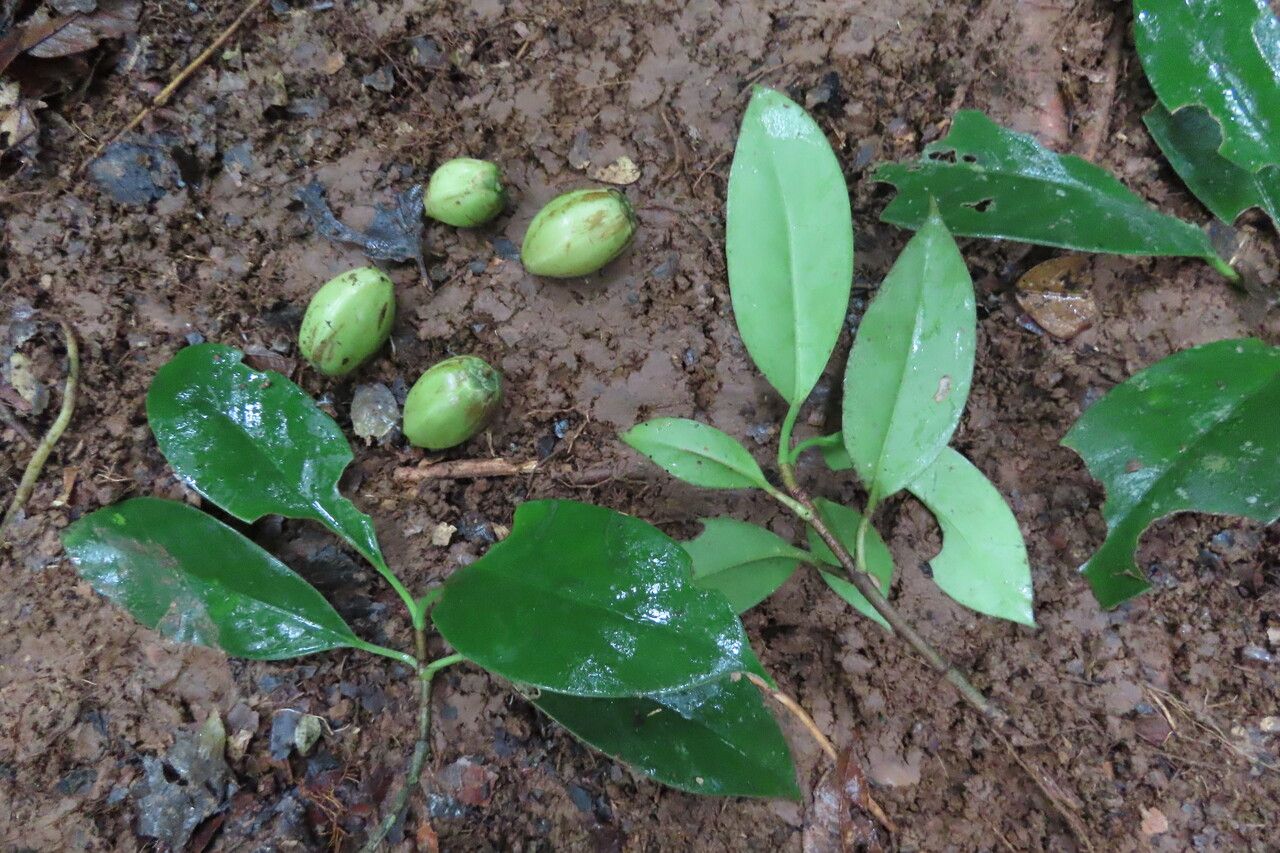
Hello, plant lovers! Today, we’re diving into the wonderful world of Clusia amazonica, also known as the Autograph Tree. If you’ve ever admired its glossy, thick leaves and wondered how you can get more of these beauties for yourself, you’re in the right place. Propagating Clusia is a really rewarding experience, almost like nurturing a tiny bit of your own garden magic. And the good news? It’s not as daunting as you might think. I’d say it’s a solid medium – a little bit of patience goes a long way, but it’s definitely achievable for many of you starting out.
The Best Time to Start
When you’re looking to grow new Clusia plants, spring and early summer are generally your sweet spots. This is when the plant is actively growing, meaning it has the energy reserves to push out roots and establish itself more readily. You can also have success later in the summer, but starting when things are really warming up gives you the best chance. Look for healthy, new growth on your mature plant – those are the bits that will have the most vigor.
Supplies You’ll Need
Gathering your tools before you begin will make the whole process smoother. Here’s what I usually have on hand:
- Sharp pruning shears or a clean, sharp knife: Essential for making clean cuts.
- Well-draining potting mix: A mix of perlite, orchid bark, and peat moss works wonderfully for Clusia. You want something that won’t hold too much moisture.
- Small pots or propagation trays: Choose ones with drainage holes, of course!
- Rooting hormone (optional but recommended): This can give your cuttings a helpful boost.
- Plastic bags or a clear propagation dome: To create a humid environment.
- Water: For the water propagation method.
- Misting bottle: For keeping things moist.
- Gloves (optional): Some people find Clusia sap a bit sticky.
Propagation Methods
Let’s get our hands dirty with a couple of tried-and-true methods for growing more Clusia.
Stem Cuttings
This is my go-to method. It’s straightforward and usually yields great results.
- Take your cuttings: Select healthy stems from your mature Clusia. Look for stems that are at least 4-6 inches long and have a few sets of leaves. Using your sharp shears or knife, make a clean cut just below a leaf node (where a leaf attaches to the stem). Remove the lower leaves, leaving the top two or three.
- Dip in rooting hormone (optional): If you’re using rooting hormone, dip the cut end of the stem into it. Tap off any excess.
- Plant your cuttings: Fill your small pots with your well-draining potting mix. Make a hole in the center of the soil with your finger or a pencil. Gently insert the cut end of the stem into the hole, ensuring it’s firm. Water lightly.
- Create humidity: Cover the pot with a plastic bag or a propagation dome. You can use a wooden skewer or two to keep the bag from touching the leaves. Place the pot in a warm spot with bright, indirect light.
Water Propagation
This method is a bit more hands-on visually, as you can see the roots develop.
- Prepare your cuttings: Similar to the stem cutting method, take healthy cuttings, about 4-6 inches long, and remove the lower leaves.
- Place in water: Find a clean jar or glass and fill it with room-temperature water. Place your cuttings in the water, making sure the leaf nodes are submerged. Crucially, ensure no leaves are touching the water surface, as this can lead to rot.
- Find a good spot: Place the container in a location that receives bright, indirect light.
- Change the water regularly: Aim to change the water every few days to keep it fresh and prevent bacterial growth. You’ll start to see tiny white root nubs appearing within a few weeks.
The “Secret Sauce” (Pro Tips)
Over the years, I’ve picked up a few little tricks that can make a big difference.
- Don’t be afraid of the sap: When you make a cut, you’ll see a milky sap ooze out. Don’t worry about it! Some gardeners swear by letting the sap dry a bit on the cut end for an hour or two before planting, believing it helps seal the wound and prevent rot.
- Bottom heat is your friend: If you have a heating mat designed for seedlings, using it under your pots can significantly speed up root development. It mimics the warmth of spring soil and gives those cuttings an extra nudge. I’ve found it makes a world of difference, especially if your home tends to be on the cooler side.
Aftercare & Troubleshooting
Once you see signs of roots, whether it’s new growth on the stem or visible roots in the water, it’s time for a little more attention.
- For cuttings in soil: Once your cuttings have a good root system (you can gently tug on them and feel some resistance, or see roots peeking out of the drainage holes), you can gradually acclimate them to normal conditions. Start by removing the plastic bag for a few hours each day, slowly increasing the time until they are fully out. Continue watering when the top inch of soil feels dry.
- For cuttings in water: When your water-propagated cuttings have roots that are at least an inch or two long, it’s time to transplant them into soil. Use the same well-draining mix as recommended earlier. Water them well after planting. Keep the soil consistently moist but not soggy for the first few weeks.
Common Problems: The most frequent issue you might encounter is rot. If your cuttings turn black and mushy, it’s a sure sign of too much moisture or not enough air circulation. If you’re water propagating, ensure leaves aren’t submerged and change the water regularly. For soil propagation, make sure your mix is airy and doesn’t hold excess water. Sometimes, cuttings just don’t take – don’t be discouraged! It happens to all of us gardeners.
A Encouraging Closing
So there you have it! Propagating Clusia amazonica is a wonderful way to expand your plant collection and share the green love. Remember to be patient, observe your cuttings, and don’t be afraid to experiment a little. The joy of nurturing a new plant from a tiny piece of another is truly special. Happy propagating!
Resource:
https://identify.plantnet.org/k-world-flora/species/Clusia%20amazonica%20Planch.%20&%20Triana/data