Hello, fellow plant lovers!
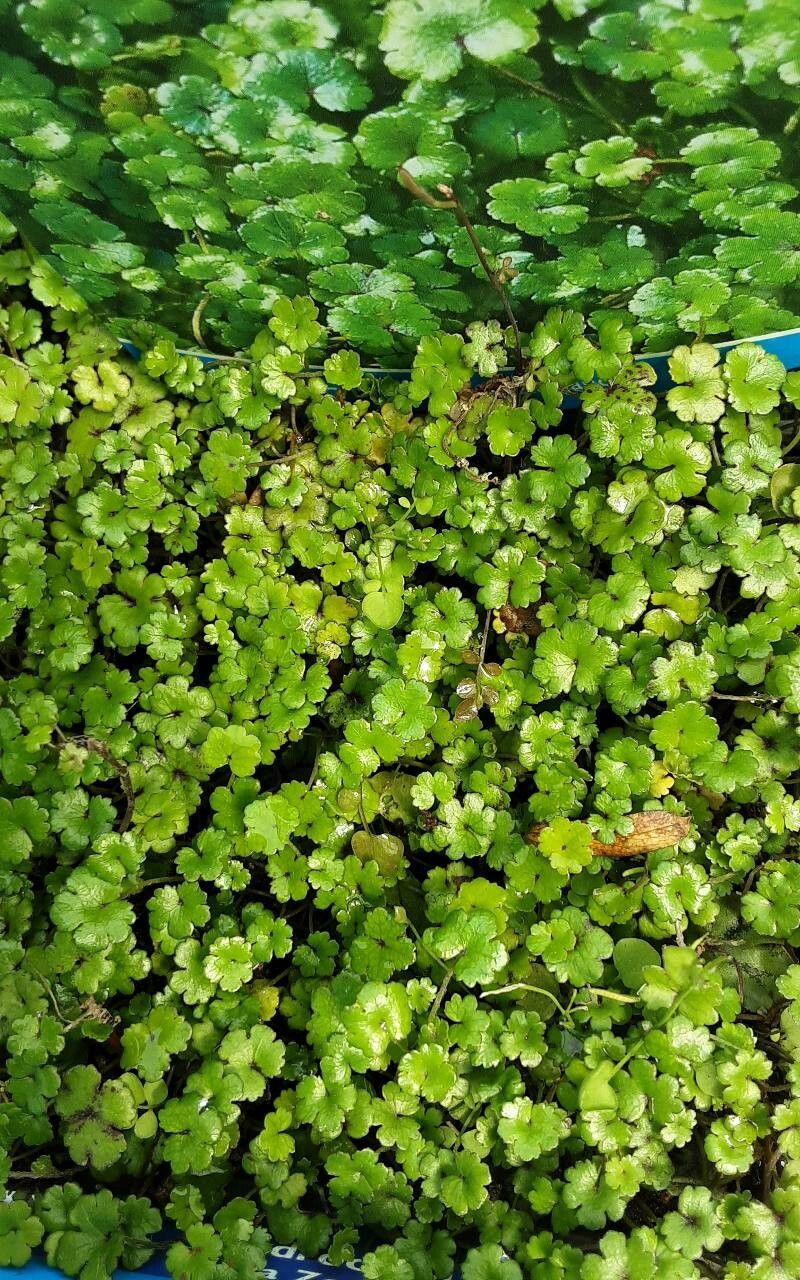
Today, I want to chat about a delightful little groundcover that’s been charming my gardens for years: Hydrocotyle sibthorpioides, also known as creeping or small-leaved marsh pennywort. Its delicate, scalloped leaves forming a lush green carpet are just beautiful, especially trailing from pots or between stepping stones. And the best part? It’s wonderfully easy to propagate! If you’re looking for a rewarding project, especially for beginners, this is a fantastic choice. You’ll have more of this lovely plant to dot around your space in no time.
The Best Time to Start
Honestly, Hydrocotyle sibthorpioides is pretty generous, but I find the late spring to early summer is when it’s really in its prime growth phase. The days are getting longer, the temps are warming up nicely, and the plant is actively putting out new shoots. This gives your cuttings a really good boost right from the start. You can certainly try at other times, but this period usually offers the quickest and most reliably successful results.
Supplies You’ll Need
Here’s what I usually gather before I get started:
- Sharp pruning shears or a clean razor blade
- A good quality potting mix – I like a blend of potting soil with some perlite or orchid bark for drainage.
- Small pots or propagation trays
- Water (preferably room temperature)
- Optional: Rooting hormone powder (though often not strictly necessary for this plant!)
- A clean spray bottle for misting
Propagation Methods
This little gem is a champ at multiplying, and there are a few simple ways to do it.
Stem Cuttings
This is my go-to method because it’s so straightforward.
- Take a healthy piece of the plant that has several leaves. You want a stem that’s at least a couple of inches long.
- Using your sharp pruning shears, make a clean cut just below a leaf node (that little bump where a leaf emerges from the stem).
- Gently remove any leaves that will be below the soil line or water level. This prevents them from rotting.
- You can dip the cut end into a bit of rooting hormone if you like, but don’t worry too much if you skip this step.
- Now, choose your medium:
- In Soil: Plant the cutting directly into your prepared potting mix. Gently firm the soil around the stem.
- In Water: Place the cutting in a jar or glass of water, making sure the leaf nodes are submerged but the leaves themselves are above the water line.
- Keep the soil consistently moist (not waterlogged) or change the water every few days if propagating in water.
Division
This method is fantastic when you have a well-established pot of Hydrocotyle sibthorpioides that’s looking a bit crowded.
- Gently remove the entire plant from its pot.
- Carefully tease apart the root ball. You want to separate sections that have their own stems and roots. You can use your fingers for this, or if it’s really tangled, a clean trowel or even your shears to make divisions.
- Each division should have at least one or two healthy stems and a good portion of roots.
- Plant these divisions directly into new pots filled with your potting mix. Water them in well.
The “Secret Sauce” (Pro Tips)
Here are a few things I’ve learned over the years that can really help:
- Don’t Let the Leaves Touch the Water (When Water Propagating): This is crucial! If those leaves are sitting in water, they’ll likely turn yellow and rot, which can quickly spread to the rest of your cutting. Only the stem and leaf nodes should be submerged.
- Humidity is Your Friend: New cuttings need a humid environment to encourage rooting. If you’re propagating in soil, cover the pot loosely with a clear plastic bag or place it in a mini-greenhouse. For water cuttings, the open air is usually fine, but misting them occasionally can help too.
- Gentle is Best: When handling your cuttings and divisions, be gentle. Don’t force things. A clean cut and a little patience go a long way.
Aftercare & Troubleshooting
Once you see tiny white roots emerging from the cut end (this might take a week or two in water, and a bit longer in soil), you’re almost there!
- For Soil Cuttings: Continue to keep the soil consistently moist. Once the roots are well-developed (you might see some new leaf growth), you can treat it like a mature plant. They’ll appreciate good drainage, so don’t let them sit in soggy conditions.
- For Water Cuttings: Once you have a good network of roots, you can transplant them into pots with potting mix. Water them in thoroughly. Keep the soil moist for the first week or two as they adjust.
The most common problem you might encounter is rotting. This usually happens if the cuttings are kept too wet, have leaves submerged in water, or if the temperatures are too cold. If you see yellowing leaves or a slimy stem, unfortunately, that cutting may not make it. Just discard it and try again, perhaps adjusting your watering or looking for a warmer spot for your propagation.
A Little Note of Encouragement
Propagating plants is such a wonderful way to connect with nature and expand your green collection. Don’t be discouraged if your first few attempts aren’t perfect. Every plant, and every cutting, is a learning experience. Be patient, enjoy the process, and soon you’ll be sharing your Hydrocotyle sibthorpioides with friends! Happy growing!
Resource:
https://identify.plantnet.org/k-world-flora/species/Hydrocotyle%20sibthorpioides%20Lam./data