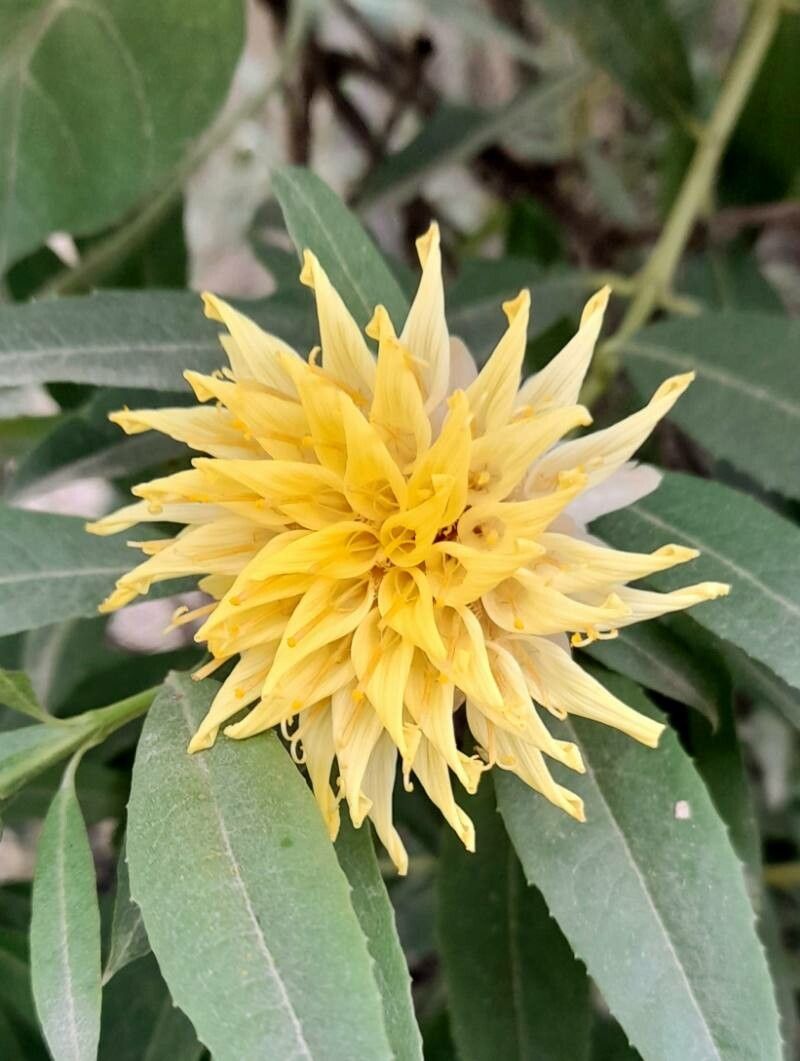
Hello there, fellow plant enthusiasts! Today, I want to chat about a truly delightful charmer in the garden: Hyaloseris salicifolia. You might know it by its common name, Silver-leafed Hyaloseris, and oh, is it a beauty! Those delicate, almost ethereal silver leaves are a breath of fresh air, adding a touch of understated elegance wherever they’re planted. Propagating this gem is wonderfully rewarding. You get to multiply that beauty, and I’ll be honest, it’s a pretty forgiving plant, making it a joyful project even for those just starting their propagation journey.
The Best Time to Start
For the highest success rates with Hyaloseris salicifolia, I find the late spring or early summer to be your absolute best bet. This is when the plant is actively growing, full of vigor. The young, tender stems are much more eager to form roots than those of older, woody material. Aim for when you see new growth emerging after the cool of winter has passed.
Supplies You’ll Need
Before we dive in, let’s gather our tools. You’ll want these handy:
- Sharp, clean pruning shears or a sharp knife. Cleanliness is paramount to prevent disease.
- A good quality potting mix. I like a blend that offers excellent drainage. Think about a mix with perlite or coarse sand. A general-purpose potting soil mixed with an equal part of perlite works wonders.
- Small pots or seed trays. Make sure they have drainage holes.
- Rooting hormone (optional but recommended). A powder or gel can give your cuttings an extra boost.
- A small watering can or spray bottle. Gentle watering is key.
- Plastic bags or a propagation dome. To create a humid environment for your cuttings.
Propagation Methods
My favorite and most successful method for Hyaloseris salicifolia is by stem cuttings. It’s straightforward and yields fantastic results.
- Take Your Cuttings: On a healthy, actively growing stem, look for a section that’s about 4-6 inches long and doesn’t have any flowers. Using your sharp shears, make a clean cut just below a leaf node. This is where new roots are most likely to emerge.
- Prepare the Cuttings: Gently remove the lower leaves from your cutting, leaving just a few at the top. This helps prevent rot and allows the plant to focus its energy on root production.
- Apply Rooting Hormone (Optional): If you’re using rooting hormone, lightly dip the cut end into the powder or gel. Tap off any excess.
- Plant Your Cuttings: Fill your small pots with your prepared potting mix. Make a small hole in the center of the soil with your finger or a pencil. Insert the cut end of your Hyaloseris stem into the hole, ensuring it’s firm in the soil. Gently firm the soil around the base of the cutting.
- Water Gently: Water the soil thoroughly but gently. You don’t want to dislodge your precious cuttings.
- Create a Humid Environment: Cover the pot with a clear plastic bag, tying it loosely around the rim. You can also use a propagation dome. This traps moisture and creates that essential humid microclimate. Place the pots in a bright location, but out of direct, harsh sunlight.
The “Secret Sauce” (Pro Tips)
Here are a couple of things I’ve learned over the years that really make a difference:
- Don’t Let the Leaves Touch the Water (if water propagating): While stem cuttings in soil are my preference, if you do decide to try water propagation for Hyaloseris salicifolia, be super careful. Never let the leaves of your cutting sit in the water. Submerged leaves will rot very quickly and can take the whole cutting down with them. Only the stem should be submerged.
- Consider Bottom Heat: If you have the setup, placing your pots on a heated propagation mat can significantly speed up root formation. It mimics the warmth of spring soil and encourages those roots to emerge with enthusiasm.
Aftercare & Troubleshooting
Once your cuttings are planted, give them a little time and patience. Keep the soil consistently moist but not waterlogged. You want it to feel like a wrung-out sponge. Check them every few days. You’ll know roots have formed when you see new leaf growth or gentle resistance if you try to tug on the cutting (though I usually avoid tugging!).
The most common issue you might face is rot. This is usually a sign of too much moisture and not enough air circulation. If you see a cutting turning mushy or black, it’s likely best to discard it and try again. Ensure your drainage is good and that humid environment isn’t too suffocating.
A Encouraging Closing
Propagating plants is such a wonderful way to connect with nature and even share your botanical bounty with friends. Don’t be discouraged if your first few attempts aren’t perfect. Gardening is all about learning and experimenting. Keep at it, be patient with your Hyaloseris salicifolia, and enjoy the process of watching new life emerge. Happy propagating!
Resource:
https://identify.plantnet.org/k-world-flora/species/Hyaloseris%20salicifolia%20Hieron./data