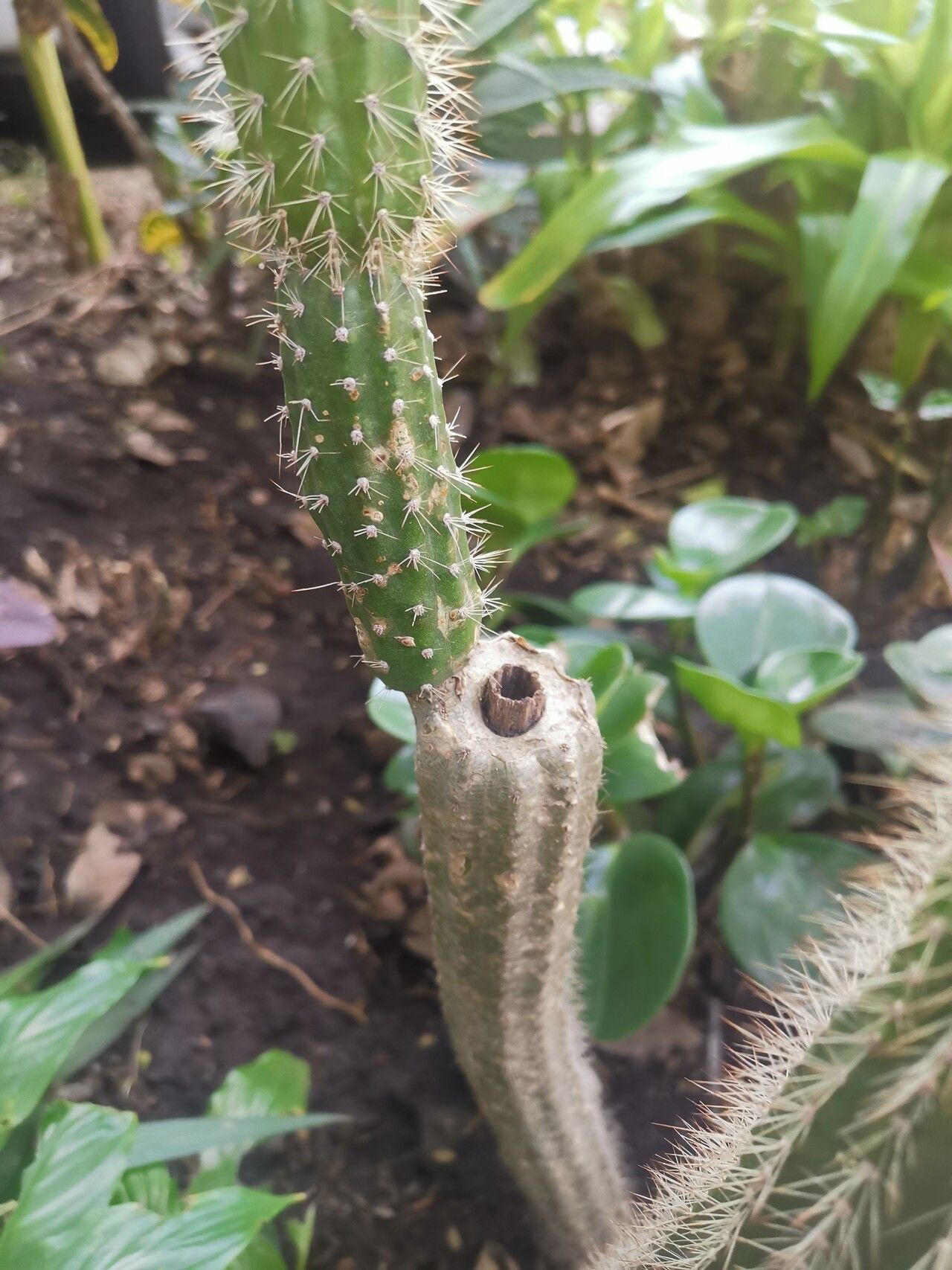
Oh, Echinocereus poselgeri! What a charmer with those beautiful, delicate flowers and unique, segmented stems. If you’ve ever admired one of these beauties, you’ve probably thought about adding more to your collection. Let me tell you, propagating them is a wonderfully rewarding experience. It’s like coaxing new life from a beloved plant, and you get to watch that tiny piece of magic grow! For beginners, I’d say it’s moderately easy. A little patience is key, but nothing too intimidating.
The Best Time to Start
When I’m looking to propagate my Echinocereus poselgeri, I always aim for late spring through early summer. This is when the plant is actively growing, and conditions are usually warm enough for them to root without too much fuss. Think of it as giving your new cuttings the best possible start with good light and warmth.
Supplies You’ll Need
To get started, you’ll want to gather a few things:
- Sharp, clean pruning shears or a knife: For making clean cuts that heal well.
- Rooting hormone (optional but recommended): This can give your cuttings a little boost.
- Well-draining potting mix: I like to use a cactus and succulent mix, maybe with a little extra perlite for airflow.
- Small pots or seedling trays: Enough to hold your new plants.
- Gloves: If you’re sensitive to the sap.
- A watering can with a fine rose: For gentle watering.
Propagation Methods
The most successful way I’ve found to propagate Echinocereus poselgeri is by taking stem cuttings. It’s straightforward and yields excellent results.
- Take Your Cuttings: With your sharp, clean pruners or knife, carefully select a healthy stem segment from your mature plant. You want a piece that looks robust. Make a clean cut at a node.
- Let Them Callus: This is a crucial step! Allow the cut end of each cutting to dry and form a callus for at least a few days, sometimes up to a week. Place them in a bright, dry spot, out of direct sun. This prevents rot when you plant them.
- Dip in Rooting Hormone (Optional): Once callused, you can dip the callused end into rooting hormone. Just a light coating is fine.
- Plant Your Cuttings: Fill your small pots with your well-draining soil mix. Make a small hole in the center and gently insert the callused end of your cutting. You want it to be stable but not buried too deep.
- Water Sparingly: After planting, give them a very light watering. Just enough to settle the soil around the cutting.
The “Secret Sauce” (Pro Tips)
Over the years, I’ve picked up a few tricks that have made a big difference. Here are my top two:
- Bottom Heat is Your Friend: If you can, place your pots on a seed starting mat or a gently warmed surface. This provides consistent warmth to the base of the cutting, encouraging root development significantly faster. It’s like giving them a warm hug to get them going!
- Don’t Overwater, Ever! This is probably the biggest mistake people make. When you first plant your cuttings, water very, very sparingly. You want the soil to be just barely moist. Too much water is the fastest way to invite rot, and nobody wants that! Wait until the soil is dry to the touch before watering again.
Aftercare & Troubleshooting
Once your cuttings have been in their pots for a few weeks, you might start to see signs of roots. A gentle tug will tell you if they’ve taken hold; if there’s resistance, you’ve got roots! Continue to water them sparingly, only when the soil is dry. As they grow, you can gradually introduce them to more light.
The most common issue you’ll encounter is rot. If you see your cutting becoming mushy or discolored, it’s likely rot. Unfortunately, there’s not much you can do to save a rotted piece. The best approach is to prevent it by ensuring good air circulation and not overwatering. If you want to try and salvage it, you could try taking another cutting from a healthy part of the stem and starting again, making sure to follow those callusing and watering rules!
A Little Patience, A Lot of Joy
Propagating Echinocereus poselgeri is a journey of patience and observation. Don’t get discouraged if not every cutting takes. Instead, celebrate the successes! It’s a wonderful way to expand your collection and share these unique plants with friends. Happy propagating!
Resource:
https://identify.plantnet.org/k-world-flora/species/Echinocereus%20poselgeri%20Lem./data