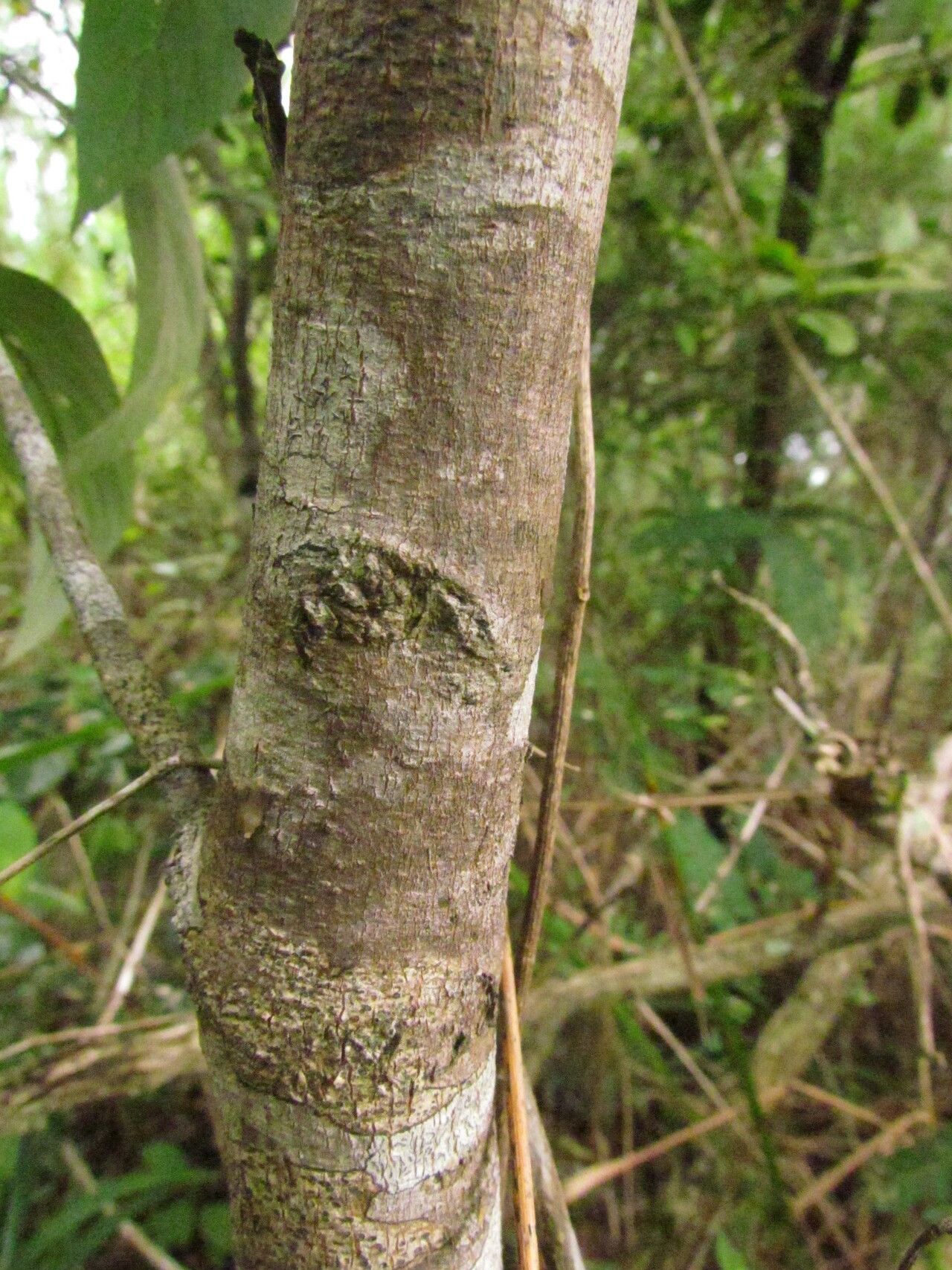
Oh, hello there! Come on in, grab a mug of something warm. Today, we’re going to talk about a plant that’s truly special – Casearia obliqua. You might know it by its other names, like “guaiacín” or “candlewood.” It’s a beautiful, somewhat tropical beauty with glossy leaves and a lovely, fine branching habit. Honestly, it’s just a joy to have around. Propagating it is a genuinely rewarding experience, and while it’s not rock-hard for absolute beginners, it’s definitely achievable with a little patience and know-how.
The Best Time to Start
For Casearia obliqua, the sweet spot for propagation is usually late spring through early summer. This is when the plant is actively growing, and those new shoots have plenty of energy to put into developing roots. You’re looking for stems that are semi-hardwood – not brand new and floppy, but not old and woody either. They should be firm but still slightly pliable.
Supplies You’ll Need
Gathering your tools beforehand makes the whole process smoother. Here’s what I usually have on hand:
- Sharp Pruning Shears or a Clean Knife: For making clean cuts.
- Rooting Hormone: A good quality rooting powder or gel. I find the powders are much easier to work with for cuttings.
- Well-Draining Potting Mix: A mix of perlite, peat moss, and a bit of compost works wonderfully. You want it airy!
- Small Pots or Propagation Trays: Clean pots are essential to prevent disease.
- Plastic Bags or a Clear Dome: To create a humid environment.
- Spray Bottle: For misting.
- Labels: Because trust me, you will forget what you planted where!
Propagation Methods
I find that stem cuttings are the most reliable method for Casearia obliqua. Here’s how I do it:
- Take Your Cuttings: Using your clean shears, select stems that fit the description of semi-hardwood. Cut a piece that’s about 4-6 inches long. Make your cut just below a leaf node (the point where a leaf attaches to the stem). This is where the plant’s rooting hormones are concentrated.
- Prepare the Cuttings: Gently remove the lower leaves from the cutting, leaving just two or three at the very top. This prevents them from rotting in the soil and directs the plant’s energy into root development.
- Dip in Rooting Hormone: Lightly dip the cut end of each stem into your rooting hormone, tapping off any excess. This little boost can make a big difference.
- Plant Your Cuttings: Fill your clean pots with your well-draining potting mix. Make a small hole in the center of the soil with a pencil or your finger. Gently insert the cut end of the stem into the hole, ensuring the rooting hormone coating remains intact. Firm the soil gently around the stem to ensure good contact.
- Create a Humid Environment: Water the soil thoroughly until it drains. Then, cover the pot with a clear plastic bag, like a mini-greenhouse, or place the pots under a propagator lid. Make sure the leaves aren’t touching the plastic if possible.
The “Secret Sauce” (Pro Tips)
Here are a couple of things I’ve learned over the years that seem to give my Casearia obliqua cuttings a better chance:
- Bottom Heat is Your Friend: While not strictly necessary for Casearia obliqua, providing a little bit of bottom heat really helps speed up root formation. A heat mat designed for plant propagation can make a world of difference, especially if your home is on the cooler side. You’ll notice a jump in success rates!
- Don’t Overwater, But Keep it Moist: This is a delicate balance. You want the soil to be consistently moist, but not soggy. If the soil feels dry to the touch, give it a light misting. Avoid letting the pot sit in standing water, as this is a surefire way to invite rot.
Aftercare & Troubleshooting
Once your cuttings are planted, place them in a bright location out of direct sunlight. They don’t need full sun; bright, indirect light is perfect. Mist them every few days to keep humidity levels up, especially if you’re not using a propagator lid.
You’ll know your cuttings are rooting when you see new leaf growth or feel a gentle tug if you very carefully try to pull on the cutting. This usually takes anywhere from 4 to 8 weeks, sometimes longer.
The most common problem you’ll encounter is rot. If a cutting starts to look black and mushy at the base, it’s usually a sign of too much moisture and not enough air circulation. Unfortunately, there’s not much you can do once rot sets in, so it’s best to discard that cutting and learn from it. Ensure your soil is airy and your humidity isn’t too high, or that the leaves aren’t constantly damp.
A Warm Encouragement
Propagating plants is a journey, and sometimes there are a few bumps in the road. Don’t get discouraged if not every cutting takes. Celebrate the ones that do! Keep experimenting, keep observing, and most importantly, enjoy the process of bringing new life into your garden. Happy propagating!
Resource:
https://identify.plantnet.org/k-world-flora/species/Casearia%20obliqua%20Spreng./data