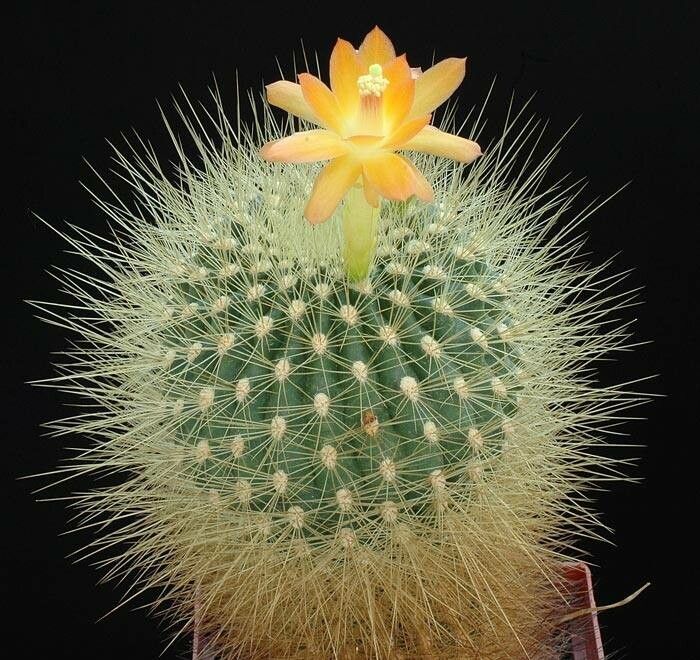
Oh, Matucana weberbaueri! If you haven’t gotten your hands on one of these beauties yet, you’re in for a treat. Their distinctive ribbed bodies and those vibrant, often fiery, flowers are just spectacular. And the best part? You can multiply their charm! Propagating them is incredibly rewarding, watching a tiny cutting transform into a proud parent plant. Now, I wouldn’t call Matucana weberbaueri the absolute easiest for a complete beginner, but with a little care and these tips, we’ll get you there. It’s more about precise steps than sheer beginner luck.
The Best Time to Start
Spring is your golden ticket here. When your Matucana weberbaueri is just waking up and actively growing, typically after the last frost and into early summer, that’s when it’s most vigorous. This active growth phase means it has the energy reserves to put into developing those crucial roots. Trying to propagate when the plant is dormant is like asking someone to run a marathon with no breakfast – not ideal!
Supplies You’ll Need
Before we dive in, let’s get our toolkit ready. Having everything on hand makes the whole process smoother.
- Sharp, sterile pruning shears or a clean knife: Crucial for clean cuts to prevent disease.
- Rooting hormone (optional but helpful): Look for one with a good fungicide blend.
- Well-draining potting mix: A cactus and succulent mix is perfect. You can also make your own by combining equal parts perlite and coarse sand with potting soil.
- Small, clean pots or trays with drainage holes: Think 3-4 inch pots for cuttings.
- A spray bottle: For gentle watering.
- A small trowel or spoon: For handling soil.
- Newspaper or a tray: To catch any stray soil.
Propagation Methods
For Matucana weberbaueri, stem cuttings are your go-to method. They’re generally the most successful and straightforward.
- Prepare your Cutting: Choose a healthy stem segment, about 3-5 inches long. Using your sanitized pruning shears or knife, make a clean cut. It’s best to take these from a side shoot or a healthy tip.
- Allow it to Callus: This is a critical step! Don’t be tempted to plant it right away. Place the cutting in a dry, well-lit spot (but out of direct sun) for at least a week, or even two. You want the cut end to form a dry, protective callus. This prevents rot when it hits the soil. It’ll look a bit like a dry scab.
- Apply Rooting Hormone (Optional): Once callused, you can dip the callused end into rooting hormone powder, tapping off any excess.
- Planting: Fill your small pots with your well-draining potting mix. Make a small hole in the center with your finger or a trowel.
- Insert the Cutting: Gently place the callused end of your cutting into the hole. Firm the soil gently around the base of the cutting to ensure good contact.
- Initial Watering: Give it a very light watering with your spray bottle. You want the soil to be just slightly moist, not soggy.
The “Secret Sauce”
Here are a couple of things I’ve learned over the years that really make a difference:
- Don’t Over-Water Early On: Seriously, this is where most people go wrong. That callused wound needs to stay dry enough to heal, and if it’s constantly wet, rot can set in before roots have even formed. Think of it as a scab needing air! Only water when the soil is dry to the touch, and even then, be gentle and sparing.
- Bottom Heat is Your Friend: If you have an old seedling heat mat or even just a sunny windowsill that gets warm, placing your pots on top can speed up root development significantly. It mimics the cozy conditions the plant loves underground and encourages those roots to stretch out and find their footing.
Aftercare & Troubleshooting
Once your cutting is potted, place it in a spot with bright, indirect light. Avoid harsh, direct sun, which can scorch the young cutting. Keep the soil barely moist. You’ll know roots are forming when you feel a slight resistance if you gently tug on the cutting, or if you see new growth. This can take anywhere from a few weeks to a couple of months, so patience is key!
The main thing to watch out for is rot. If the stem cutting turns mushy, discolored, or develops black spots, it’s a sign of rot. Unfortunately, this usually means the cutting is lost. To prevent it, remember that crucial callusing period and avoid overwatering. If you see any sign of rot, trim away the affected part with your sterile tool and let the remaining healthy part callus again.
A Encouraging Closing
Watching a new plant emerge from what was once just a piece of another is one of the most satisfying parts of gardening. Don’t get discouraged if your first attempt isn’t a roaring success. Every cutting teaches you something new. Be patient, enjoy the process, and soon enough, you’ll have a little army of Matucana weberbaueri to admire! Happy propagating!
Resource:
https://identify.plantnet.org/k-world-flora/species/Matucana%20weberbaueri%20(Vaupel)%20Backeb./data