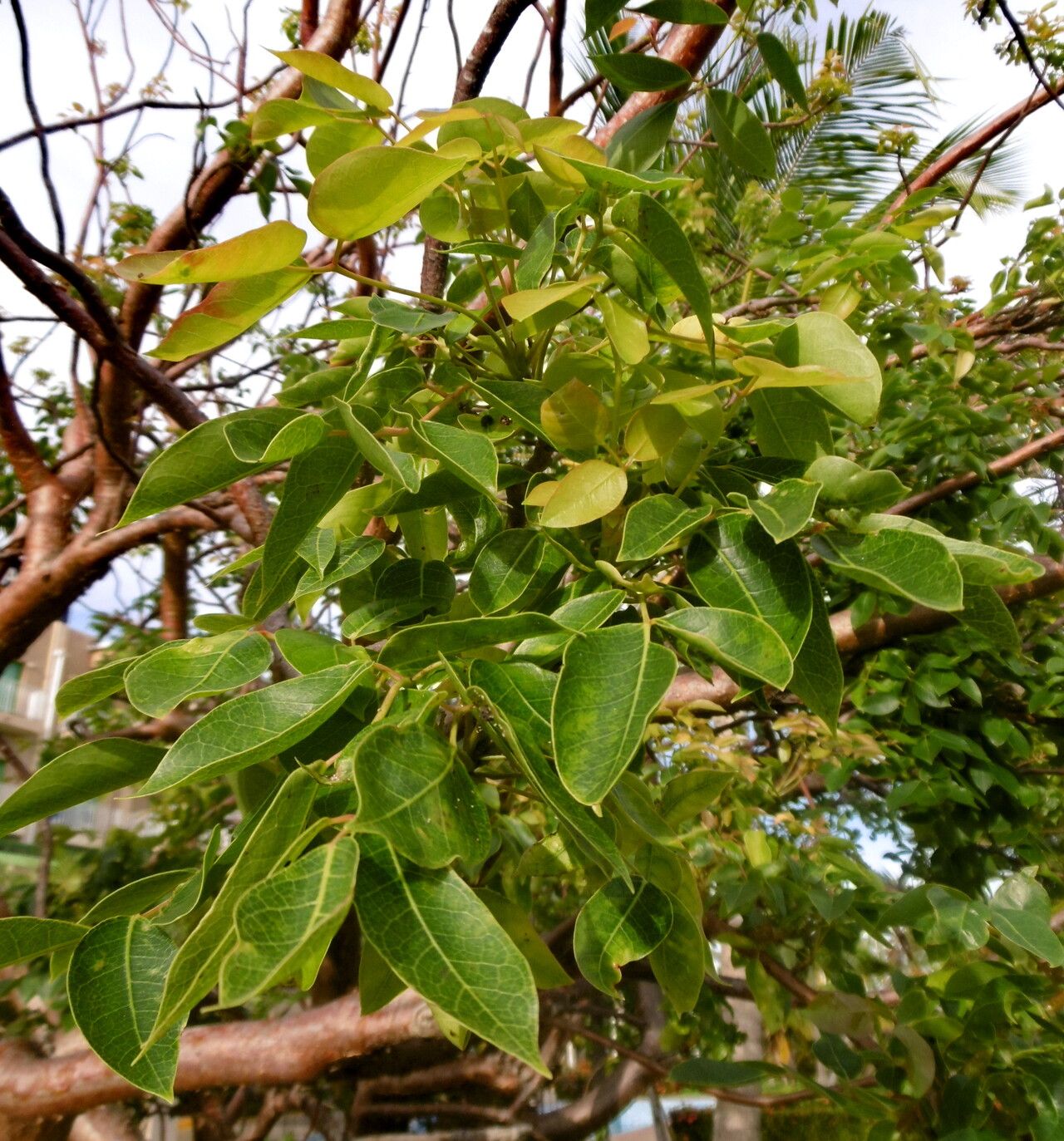
Oh, hello there! Pull up a chair, grab your mug, and let’s chat about one of my absolute favorites: Bursera simaruba, also known as the Gumbo-Limbo tree or Tourist Tree. You know, the one with the gorgeous peeling bark – it looks like it’s wearing a burnt-orange jacket! It’s a real stunner, and honestly, getting more of these beauties to grow is incredibly rewarding. For many gardeners, propagating Bursera simaruba is a wonderfully achievable project, not too tricky at all.
The Best Time to Start
For the highest success rate with Bursera simaruba, I always aim to take cuttings during its active growing season. Think late spring or through the summer months. You want to work with wood that’s neither brand new, super soft growth, nor old, hard woody material. Aim for semi-hardwood cuttings – they have the best balance of flexibility and stored energy to get them rooting.
Supplies You’ll Need
Here’s what I like to have on hand:
- Sharp, clean pruning shears or a razor blade for making clean cuts.
- A good quality potting mix. I usually use a blend of perlite, peat moss, and coir for excellent drainage and aeration. A standard cactus or succulent mix also works well.
- Rooting hormone (a powder or gel). This is a real booster for encouraging root development.
- Small pots or a propagation tray for your cuttings. Make sure they have drainage holes!
- A plastic bag or clear plastic dome to create a humid environment.
- A spray bottle filled with water for misting.
Propagation Methods
I find stem cuttings to be the most straightforward and successful method for Bursera simaruba.
-
Take Your Cuttings: On a beautiful, bright day during its growing season, select a healthy stem. Using your clean shears, take cuttings that are about 6 to 8 inches long. Make a clean cut just below a leaf node (where a leaf attaches to the stem). Remove any lower leaves that might rot if they’re buried in the soil.
-
Prepare the Cuttings: Dip the cut end of each cutting into your rooting hormone, tapping off any excess.
-
Plant Your Cuttings: Fill your pots or tray with your moistened potting mix. Make a small hole with your finger or a pencil in the center of each pot. Gently insert the prepared cutting into the hole, making sure at least two leaf nodes are buried. Firm the soil gently around the cutting.
-
Create Humidity: Water the soil lightly. Then, cover the pot or tray with a plastic bag or dome. This is crucial! It traps moisture and mimics the humid environment cuttings crave.
-
Place and Wait: Find a warm, bright spot for your cuttings, but avoid direct, harsh sunlight, which can scorch them under the plastic. An east-facing windowsill is often perfect.
The “Secret Sauce” (Pro Tips)
Now, let me share a couple of things I’ve learned over the years that really make a difference:
- Let the Sap Dry: Bursera simaruba can ooze a bit of sap when you cut it. Sometimes, I let the cut end of the cutting air dry and callous over for a day before dipping it in rooting hormone and planting it. This can help prevent rot, especially if your environment is already quite humid.
- Bottom Heat is Your Friend: If you’re propagating in cooler months or just want to give your cuttings an extra boost, some gentle bottom heat from a propagation mat can work wonders. It encourages the roots to form from the bottom up.
Aftercare & Troubleshooting
Once your cuttings have rooted – and this can take anywhere from 4 to 12 weeks, so be patient! – you’ll start to see new growth. At this point, you can gradually acclimate them to lower humidity by poking a few holes in the plastic bag or lifting the dome for a bit longer each day. Once they seem hardy, remove the cover.
Keep the soil consistently moist but not waterlogged. They’ll still be a bit delicate, so water gently.
The most common issue you might encounter is rot. If a cutting looks mushy, dark, or has a foul smell, it’s likely rotted. This usually happens from too much moisture and not enough air circulation. If you see signs of rot, remove the affected cutting immediately to prevent it from spreading. Don’t get discouraged; sometimes you just have to try again!
A Encouraging Closing
Growing new plants from cuttings is such a hands-on way to connect with nature. Don’t worry if your first attempts aren’t perfect. Gardening is all about learning and a little bit of trial and error. Enjoy the process of nurturing these little ones, and soon you’ll have your very own Gumbo-Limbo trees to share! Happy propagating!
Resource:
https://identify.plantnet.org/k-world-flora/species/Bursera%20simaruba%20(L.)%20Sarg./data