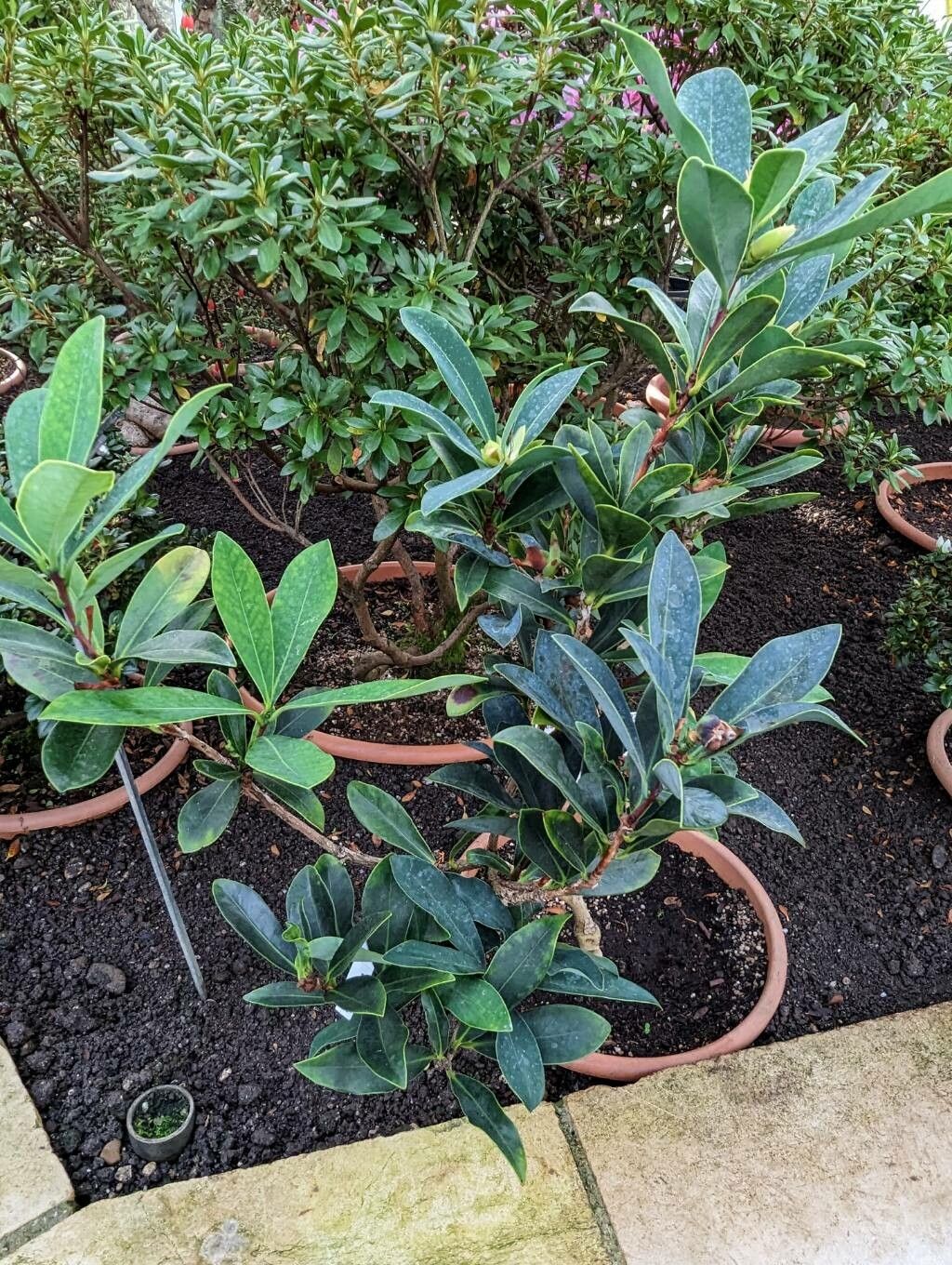
Oh, camellias and azaleas! I just adore them. Their vibrant blooms, especially after a long winter, are such a welcome sight. And the best part? You can easily multiply these beauties in your own garden. It’s incredibly satisfying to see a tiny cutting transform into a flourishing plant, all thanks to your care.
While some folks might find propagating these shrubs a tad tricky, I’ve found that with a little know-how and patience, it’s absolutely achievable for most gardeners. It’s more about understanding their needs than having a magic touch.
The Best Time to Start
For the highest success rate, late spring or early summer is your sweet spot. You’re looking for semi-hardwood cuttings. This means the stems are no longer brand new and floppy, but they haven’t fully hardened off yet. Think of a pencil – firm, but still a little bendy. This stage offers the perfect balance of flexibility for rooting and enough stored energy to get the job done.
Supplies You’ll Need
Gathering your tools before you begin makes the whole process smoother. Here’s what I always have on hand:
- Sharp Pruning Shears or a Craft Knife: Clean cuts are crucial to prevent disease.
- Rooting Hormone (Powder or Gel): This really gives your cuttings a boost. My favorite is a powder form, but a gel works wonderfully too.
- Well-Draining Potting Mix: A 50/50 blend of peat moss or coco coir and perlite or coarse sand is ideal.
- Small Pots or a Propagation Tray: Clean pots are a must!
- Plastic Bags or a Propagation Dome: To keep humidity levels high.
- Watering Can with a Fine Rose: For gentle watering.
- Optional: Bottom Heat Mat: This can speed up root development significantly.
Propagation Methods
Let’s dive into how we can coax new life from your favorite camellias and azaleas.
Stem Cuttings
This is my go-to method, and it’s incredibly effective.
- Take Your Cuttings: In late spring or early summer, select healthy, non-flowering stems. Using your sharp pruning shears, cut pieces about 4-6 inches long. Make sure each cutting has at least two or three sets of leaves.
- Prepare the Cuttings: Remove the lower leaves from the bottom half of the cutting. You only want to leave a couple of leaves at the very tip. This is important to prevent rot when the cuttings are in the soil.
- Apply Rooting Hormone: Dip the cut end of the stem into your rooting hormone, tapping off any excess.
- Plant Your Cuttings: Fill your pots or trays with your prepared well-draining potting mix. Make a small hole with a pencil or your finger, and gently insert the cutting. Firm the soil around the base.
- Water Gently: Give the soil a good, gentle watering to settle everything in.
- Create a Humid Environment: Cover the pots with a plastic bag or a propagation dome. Make sure the plastic doesn’t touch the leaves of your cuttings – you can use small stakes to prop it up.
- Find a Suitable Spot: Place your pots in a bright spot but out of direct sunlight, which can scorch the young leaves.
Water Propagation (For the Patient!)
While I lean towards soil for long-term success, water propagation can be fun for some camellia varieties, especially azaleas.
- Prepare Cuttings: Follow steps 1 and 2 from the stem cuttings method.
- Place in Water: Stand your cuttings in a clean glass or jar filled with fresh water.
- Manage the Water Level: Crucially, ensure no leaves are submerged in the water. Only the cut stem should be in contact with the water.
- Change Water Regularly: Change the water every couple of days to keep it fresh and prevent bacterial growth.
- Patience is Key: Once you see small white roots developing (this can take several weeks), you can transplant them into pots with potting mix.
The “Secret Sauce” (Pro Tips)
After years of tinkering, I’ve picked up a few tricks that really make a difference.
- Cleanliness is King (or Queen!): Always use sterilized tools and pots. Any lingering soil-borne diseases can spell disaster for your tender cuttings. A quick wipe down with rubbing alcohol does wonders.
- The Magic of Bottom Heat: If you can, investing in a bottom heat mat is a game-changer. This gentle warmth encourages root development from below, significantly speeding up the process and often leading to a higher success rate. Place your pots directly on the mat.
- Don’t Rush the Transplant: Resist the urge to pull your cuttings out too early. Wait until you see plenty of healthy roots – at least an inch or two long – before you even think about moving them. This ensures they are strong enough to handle the transition.
Aftercare & Troubleshooting
Once your cuttings have developed roots, it’s time for a little more hands-on care.
Keep the soil consistently moist but not waterlogged. Think of it like a wrung-out sponge. Gradually acclimate your new plants to lower humidity by opening the plastic bag or dome for increasing periods each day over a week. Once they’re looking strong and holding their own, you can remove the cover completely.
The most common issue you’ll encounter is rot. If you notice your cuttings turning black and mushy or developing fuzzy mold, it’s usually a sign of too much moisture and not enough air circulation. Unfortunately, a rotted cutting is usually a lost cause, so remove it immediately to prevent it from affecting others. Another sign of failure can be cuttings that simply shrivel and die back; this might indicate they didn’t get enough moisture, or perhaps the rooting hormone wasn’t effective.
A Encouraging Closing
Growing new camellias and azaleas from cuttings is such a rewarding journey. It might take a few tries to get it just right, but don’t be discouraged! Enjoy the process, learn from each attempt, and celebrate those first tiny roots. Soon, you’ll have a whole garden of these beauties to share. Happy propagating!
Resource:
https://identify.plantnet.org/k-world-flora/species/Camellia%20azalea%20C.F.Wei/data