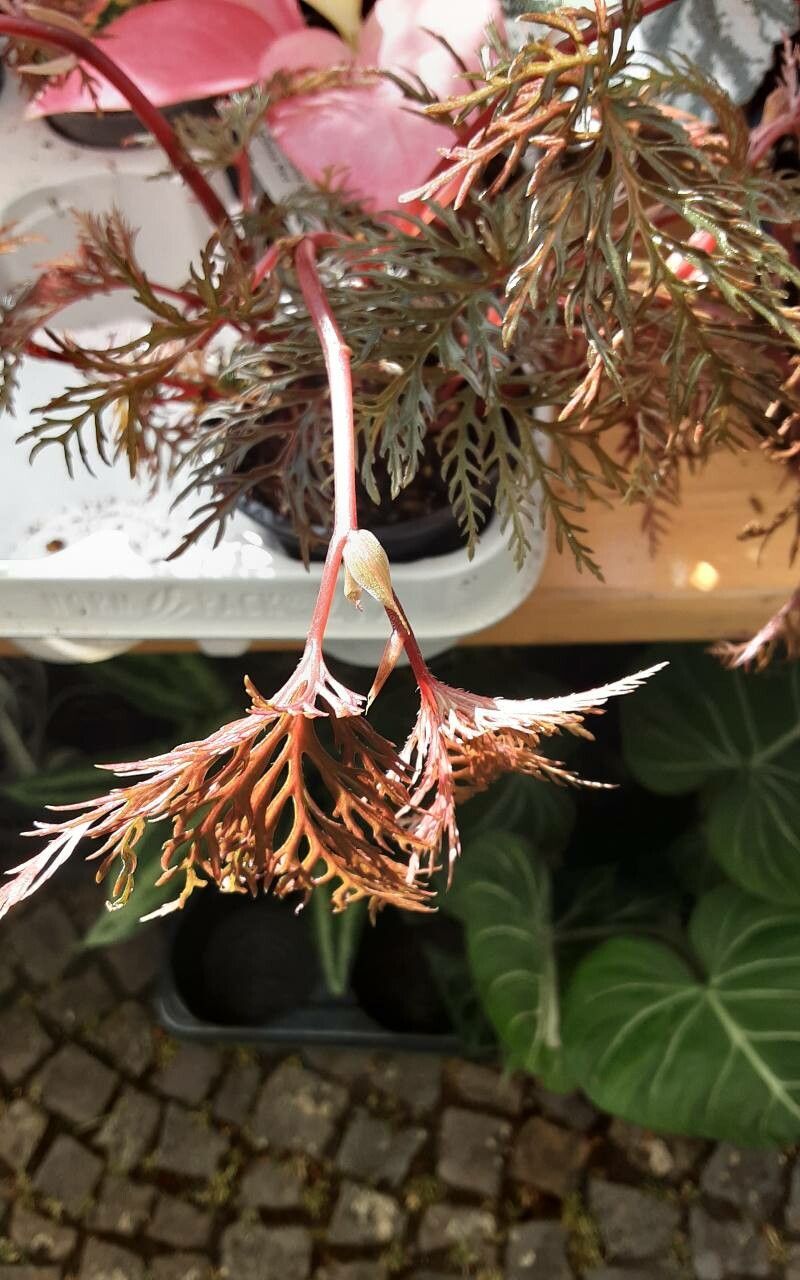
Hello, fellow plant lovers! I’m so thrilled you’re here to talk begonias, specifically the utterly captivating Begonia bipinnatifida. I’ve been growing and fussing over plants for two decades now, and believe me, there’s a special joy in coaxing new life from an existing one. This particular begonia, with its uniquely dissected leaves, is a real showstopper. Propagating it might seem a little daunting at first glance, but trust me, with a little care and attention, you’ll be rewarded with your own little clump of this beauty. It’s not the absolute easiest plant for a complete beginner, but it’s certainly achievable for anyone willing to get their hands a little dirty!
The Best Time to Start
For the best chance of success, I always recommend starting your Begonia bipinnatifida propagation in the spring or early summer. This is when the plant is actively growing, with plenty of energy to put into developing roots and new shoots. You want to take cuttings from healthy, vigorous stems that aren’t in bloom. Think of it as taking a cutting from a plant that’s feeling its best – it’s more likely to bounce back and thrive.
Supplies You’ll Need
Gathering your tools beforehand makes the whole process smoother. Here’s what I usually have on hand:
- Sharp Pruning Shears or a Clean Knife: For making clean cuts.
- A Well-Draining Potting Mix: I like a blend of peat moss, perlite, and a bit of orchid bark. You want it airy so it doesn’t hold too much moisture.
- Small Pots or Propagation Trays: Whatever you have that’s clean and has drainage holes.
- Rooting Hormone (Optional, but recommended): This little helper gives your cuttings a good start.
- Clear Plastic Bag or Dome: To create a humid environment.
- Watering Can or Spray Bottle: For gentle watering.
Propagation Methods: Stem Cuttings
This is my go-to method for Begonia bipinnatifida. It’s straightforward and usually yields great results.
- Select Your Stem: Look for a healthy stem that’s at least 4-6 inches long. Make sure it has at least two or three nodes – those little bumps where leaves or roots will emerge.
- Make the Cut: Using your sharp shears or knife, make a clean cut just below a node. A clean cut is crucial; it reduces the chance of disease and helps the stem absorb water properly.
- Prepare the Cutting: Gently remove the lower leaves, leaving just a couple at the top. This reduces water loss and prevents leaves from rotting in the soil.
- Apply Rooting Hormone (If using): Dip the cut end into your rooting hormone, tapping off any excess.
- Plant Your Cutting: Fill your small pot with your prepared potting mix. Gently poke a hole in the center with a pencil or your finger, large enough to accommodate the cut end. Place the cutting into the hole and gently firm the soil around it.
- Water and Cover: Water the soil lightly until it’s moist but not soggy. Then, cover the pot with a clear plastic bag or a propagation dome. This traps humidity, which is essential for cuttings to root. Prop it up so the bag doesn’t touch the leaves.
The “Secret Sauce” (Pro Tips!)
After years of trial and error (and a few sad, wilted cuttings!), I’ve learned a few little tricks that make a big difference.
- Don’t Let Leaves Touch the Water (Even in Dependant Propagation): If you decide to try water propagation (which I sometimes do for comparison), never let any of the leaves sit in the water. Only the cut stem should be submerged. Leaves submerged will rot, and that rot can travel up the stem, killing your potential new plant before it even gets a chance.
- Bottom Heat is Your Friend: If you have a seedling mat, placing your pots on some gentle bottom heat can significantly speed up the rooting process. It mimics the warmth of spring soil and gives those roots a real boost to start developing. Don’t crank it up too high; just a gentle warmth is perfect.
- Patience with the Leaf Nodules: For Begonia bipinnatifida, you’ll sometimes see tiny little buds forming where the leaf meets the stem. Don’t be tempted to poke at them! They are part of the development process. Just let nature do its thing.
Aftercare & Troubleshooting
Once you see new growth emerging, that’s a good sign roots are forming! You can gently tug on the cutting; if there’s resistance, you have roots.
- Gradual Acclimation: Slowly reduce the humidity by opening the plastic bag or dome a little each day for about a week. This helps the plant adjust to normal room humidity.
- Watering: Continue to water moderately, allowing the top inch of soil to dry out between waterings. Avoid overwatering, as this is the quickest way to invite root rot, which often looks like mushy, dark stems and yellowing leaves.
- Light: Place your new plant in bright, indirect light. Direct sun will scorch those delicate new leaves.
Don’t get discouraged if a cutting doesn’t make it. It happens to all of us! Sometimes the conditions just aren’t quite right, or the cutting wasn’t as healthy as we thought. The beauty of propagation is that you can try again! Be patient with your new begonia babies. They take their time, but the reward of seeing them unfurl those gorgeous fronds makes every bit of effort worthwhile. Happy propagating!
Resource:
https://identify.plantnet.org/k-world-flora/species/Begonia%20bipinnatifida%20J.J.Sm./data