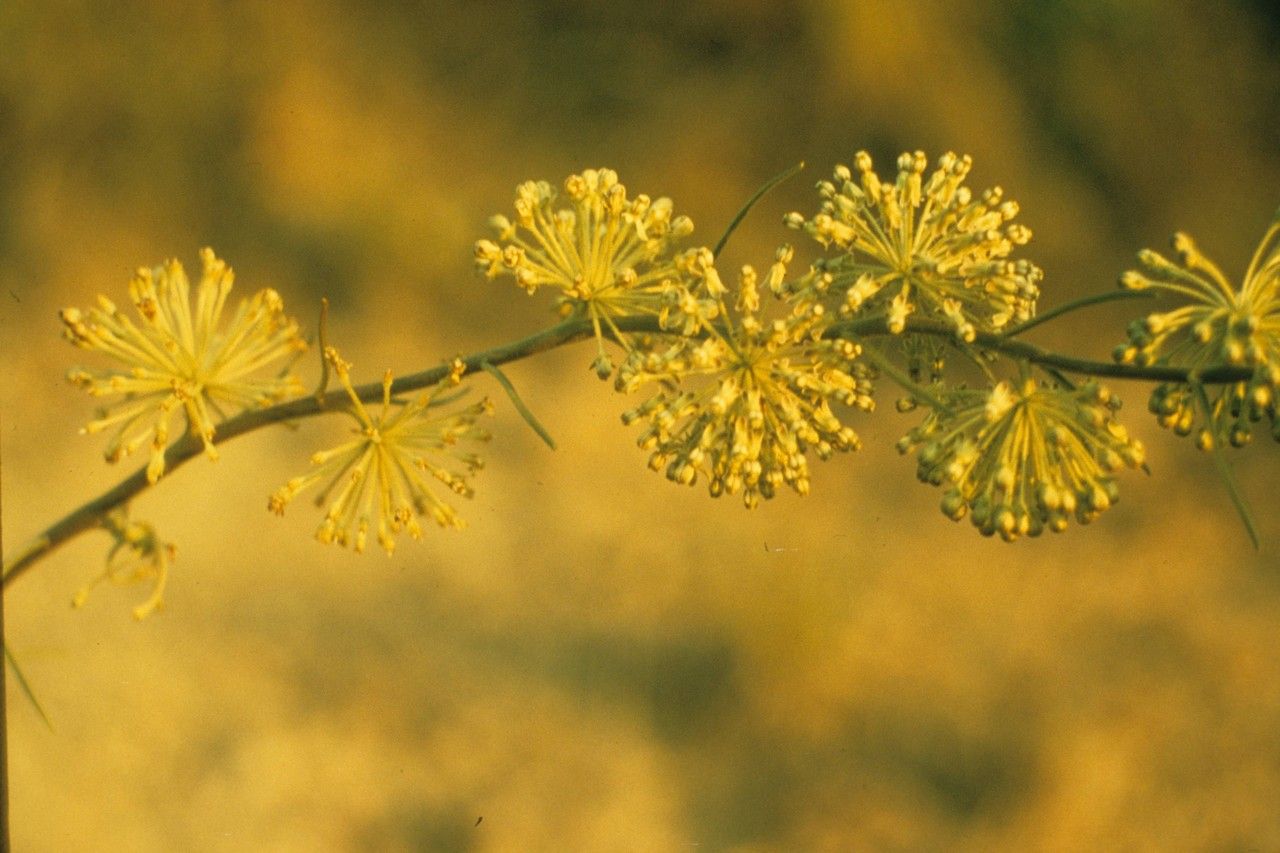
Hey there, fellow plant lovers! I’m so excited to chat with you today about one of my absolute favorite wildflowers: Asclepias michauxii, or Michaux’s milkweed. This beauty is a real stunner in the garden, with its delicate clusters of pinkish-purple flowers that absolutely buzz with pollinators. And trust me, coaxing new life from an existing plant is one of the most rewarding gardening experiences there is. It’s a way to multiply your joy, and share it with others!
Now, if you’re new to the plant propagation game, you might be wondering if Asclepias michauxii is a good starting point. I’d say it’s moderately easy. It’s not as foolproof as, say, some succulents, but with a little patience and following a few key steps, you’ll be well on your way to success.
The Best Time to Start
For Michaux’s milkweed, late spring to early summer is your sweet spot. This is when the plant is actively growing and has plenty of energy to put into developing new roots. You want to catch it before it starts to set seed, while it’s putting out fresh, healthy growth.
Supplies You’ll Need
Here’s what I always have on hand when I’m propagating my milkweeds:
- Sharp pruning shears or a clean knife: For making clean cuts.
- Rooting hormone (optional but recommended): Helps encourage root development. Look for a powder or gel.
- Potting mix: A well-draining mix is crucial. I like a blend of peat moss, perlite, and a bit of compost. You can also use a seed-starting mix.
- Small pots or trays: Clean pots are essential to prevent disease.
- Watering can with a fine rose: For gentle watering.
- Plastic bags or a clear propagator: To create a humid environment.
- Labels: So you don’t forget what you planted where!
Propagation Methods
The most reliable ways to propagate Asclepias michauxii are through stem cuttings and, if you have a mature clump, division.
Stem Cuttings
This is my go-to method for milkweeds.
- Take the Cuttings: In late spring or early summer, select a healthy, non-flowering stem that’s about 4-6 inches long. Make a clean cut just below a leaf node (where a leaf attaches to the stem).
- Prepare the Cuttings: Remove the lower leaves from the cutting, leaving just a few at the top. If the leaves are very large, you can even snip them in half to reduce water loss.
- Apply Rooting Hormone: Dip the cut end of the stem into your rooting hormone, tapping off any excess.
- Potting Up: Fill your clean pots with your well-draining potting mix. Make a small hole in the center of the soil with your finger or a pencil.
- Insert the Cutting: Place the prepared cutting into the hole, ensuring the leaf nodes where you removed the leaves are buried in the soil. Gently firm the soil around the base of the cutting.
- Water Gently: Water thoroughly, but avoid waterlogging the soil.
- Create Humidity: Cover the pot loosely with a plastic bag or place it in a propagator. This traps moisture around the cutting.
- Find a Warm Spot: Place the pots in a bright location out of direct sunlight, with consistently warm temperatures.
Division
If you have an established Asclepias michauxii plant that’s been in the ground for a few years, you can carefully divide it.
- Dig Carefully: In early spring, before new growth really takes off, carefully dig around the plant.
- Separate the Roots: Gently tease apart the root ball into sections. You’re looking for divisions that have at least one healthy bud or crown and a good amount of root system. You can use a clean trowel or knife to help if the roots are tangled.
- Replant: Immediately replant the divisions into their new locations, ensuring the crown is at the same depth it was previously. Water them in well.
The “Secret Sauce” (Pro Tips)
Here are a couple of things I’ve learned over the years that can really make a difference:
- Keep Leaves Out of Water: If you’re experimenting with water propagation (which can be trickier for Asclepias michauxii), make absolutely sure the leaves don’t sit in the water. They’ll rot quickly, taking your cutting with them. Only the stem should be submerged.
- Bottom Heat is Your Friend: For stem cuttings, placing your pots on a heated propagation mat can significantly speed up root formation. It provides that consistent warmth that encourages those little rootlets to sprout.
- Don’t Rush the Transplant: Be patient! It can take 4-8 weeks (or even longer) for cuttings to develop a robust root system. Gently tug on the cutting; if you feel resistance, roots are forming.
Aftercare & Troubleshooting
Once you see roots forming (you might even see new top growth!), it’s time to transition your new plants.
- Acclimatize: If you used a plastic bag, gradually remove it over a few days to allow the plant to adjust to normal humidity.
- Watering: Continue to water regularly, but let the top inch of soil dry out slightly between waterings. Overwatering is the fastest way to kill a new cutting.
- Fertilizing: Once the plant is established and has good new growth, you can feed it with a diluted liquid fertilizer every few weeks.
The most common problem you’ll encounter is rot. If your cutting looks mushy, black, or just generally unhappy, it’s likely due to too much moisture and not enough air circulation. You can try taking a fresh cutting from a healthier part of the stem and improving your drainage and humidity control. Don’t get discouraged if a few don’t make it – it’s all part of the learning process!
A Little Patience Goes a Long Way
Propagating Asclepias michauxii is such a rewarding endeavor. It’s a chance to connect with these amazing plants on a deeper level and to fill your garden (and your friends’ gardens!) with their pollinator-pleasing charm. Be patient with the process, observe your cuttings closely, and enjoy every step of watching them grow. Happy propagating!
Resource:
https://identify.plantnet.org/k-world-flora/species/Asclepias%20michauxii%20Decne./data