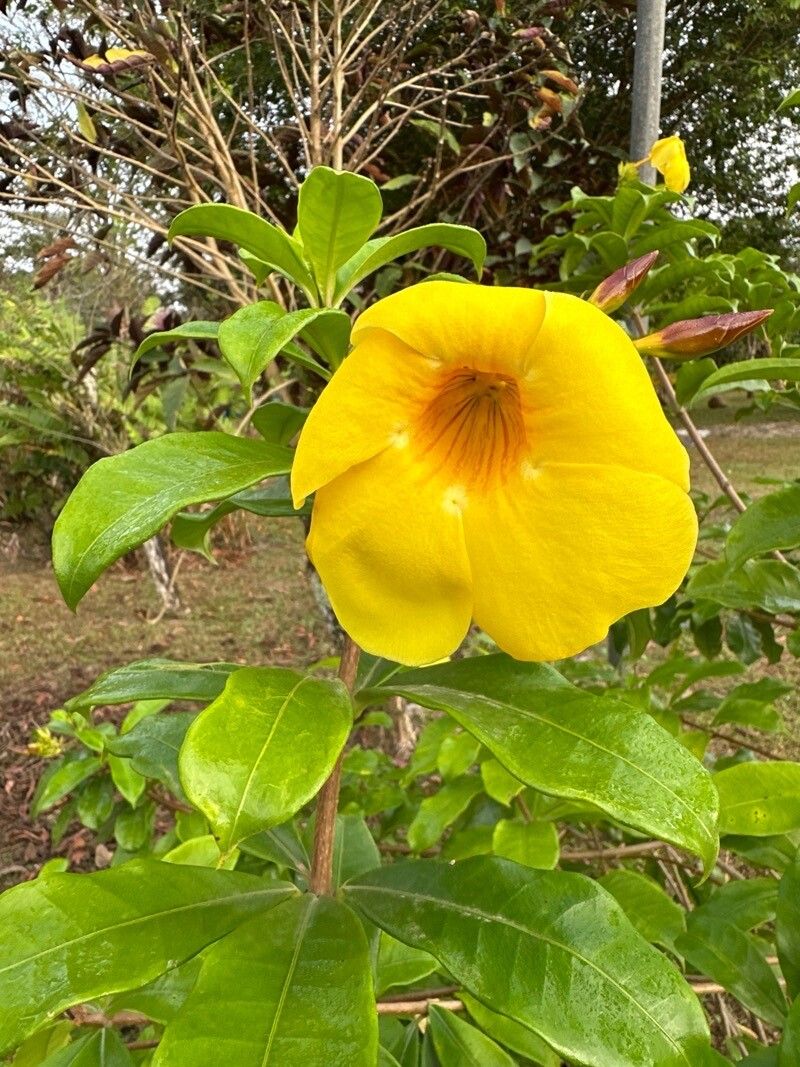
Oh, Allamanda! Those cheerful, trumpet-shaped blooms of sunshine yellow just make you happy, don’t they? I’ve been growing them for years, and there’s something so incredibly satisfying about taking a snippet of that vigorous vine and turning it into a whole new plant. It feels like a little bit of gardening magic, and the best part? It’s actually quite doable! For beginners, Allamanda is a wonderfully forgiving plant to propagate, which I think is just fantastic. You’ll be sharing these beauties with friends in no time.
When is the Best Time to Start?
For the highest success rate with Allamanda, I always lean towards late spring or early summer. This is when the plant is actively growing, bursting with energy. You’ll find it’s much easier to get cuttings to root and establish themselves when they have plenty of warm weather and sunlight ahead of them. Trying to propagate too late in the fall or during the colder months can lead to slower growth and a higher chance of disappointment.
What You’ll Need to Get Started
Gathering your supplies beforehand makes the whole process go so much smoother. Here’s what I always have on hand:
- Sharp Pruning Shears or a Clean Knife: For taking nice, clean cuts.
- A Small Potting Mix: A blend of perlite and peat moss works wonders. About a 50/50 mix is perfect for good drainage and aeration. You can also buy a pre-made seed-starting or cutting mix.
- Rooting Hormone (Optional but Recommended): This little gem really speeds things up and encourages strong root development. I prefer the powdered kind.
- Small Pots or a Propagation Tray: Clean containers are key!
- Water: For keeping things moist.
- A Clear Plastic Bag or Dome: To create a mini-greenhouse effect.
My Favorite Propagation Methods
Allamanda is wonderfully versatile, but I find stem cuttings to be my go-to.
Stem Cuttings: My Top Pick
- Take Your Cuttings: When your Allamanda is in its active growth phase, look for healthy, non-flowering semi-hardwood stems. These are stems that have started to mature a bit but are still somewhat flexible, not woody and firm. Aim for cuttings that are about 4-6 inches long.
- Prepare the Cuttings: At home, trim the leaves from the bottom half of the cutting, leaving just a few at the top. Make a clean cut just below a leaf node (that little bump on the stem where leaves emerge). A leaf node is where roots are most likely to form.
- Dip in Rooting Hormone: If you’re using rooting hormone, dip the cut end into it. Tap off any excess.
- Plant Your Cuttings: Fill your small pots with your damp potting mix. Make a hole with a pencil or your finger and gently insert the cutting. Gently firm the soil around the base.
- Provide Humidity: Water the soil lightly. Then, cover the pot with a clear plastic bag or a propagation dome. This traps moisture and creates that humid environment new cuttings crave. You can prop the bag up with a few skewers so it doesn’t touch the leaves.
- Place in Bright, Indirect Light: Find a warm spot that gets bright, filtered sunlight, but no harsh direct sun.
Water Propagation: A Visual Treat (with a Caveat)
I do use water propagation for Allamanda occasionally, but it’s essential to be mindful.
- Prepare the Cuttings: Similar to stem cuttings, take 4-6 inch cuttings and remove the lower leaves.
- Place in Water: Fill a small jar or glass with clean water. Place the cuttings in the water, ensuring that no leaves are submerged. This is crucial! Submerged leaves will rot and kill your cutting.
- Change Water Regularly: Change the water every few days to keep it fresh and prevent bacterial growth.
- Wait for Roots: You should see tiny white roots starting to emerge within a few weeks. Once the roots are about an inch long, you can transplant them into potting mix.
Those Little “Secret Sauce” Tips
Here are a few things I’ve learned over the years that really make a difference:
- Don’t Be Afraid to Take Multiple Cuttings: Allamanda is pretty generous, but not every cutting will be a success. Taking several increases your chances. It’s better to have too many than not enough!
- Bottom Heat is Your Friend: If you have a heat mat designed for seedlings, placing your pots on it can significantly speed up root formation. Allamanda roots love warmth!
- Patience with Dormant Growth: Sometimes, you’ll see new leaf growth on a cutting, and you’ll think, “Hooray!” But the root system might still be fragile. Don’t be tempted to tug on it! Wait until you see robust new growth and some resistance before considering it truly rooted.
Aftercare and What to Watch For
Once those roots are a good inch or two long and you see healthy new leafy growth, it’s time for your new Allamanda to graduate!
- Gradual Acclimation: If you used a plastic bag or dome, gradually remove it over a few days. Start by opening it for an hour or two, then longer each day, allowing your new plant to adjust to the ambient humidity.
- Potting Up: Move your rooted cuttings into slightly larger pots with your regular potting soil (or a good quality potting mix). Water them in well.
- Light and Water: Continue to provide bright, indirect light. Water thoroughly when the top inch of soil feels dry.
- Troubleshooting Rot: The most common sign of failure is rot. If your cutting turns mushy or black, or if the leaves start to yellow and drop rapidly, it’s likely a sign of rot. This is usually caused by too much moisture and not enough air circulation. If you see this, pull the cutting out and inspect it. Sometimes, you can salvage a healthy-looking tip, but often it’s best to start over.
Your Garden’s Future is Blooming!
See? It’s really not as daunting as it might seem. Propagation is such a rewarding part of gardening. It’s a chance to learn, to experiment, and to multiply the beauty you love. Be patient with your new little Allamanda plants. They’re doing their best to establish themselves, and with a little care and encouragement from you, they’ll be thriving in no time. Happy propagating!
Resource:
https://identify.plantnet.org/k-world-flora/species/Allamanda%20cathartica%20L./data