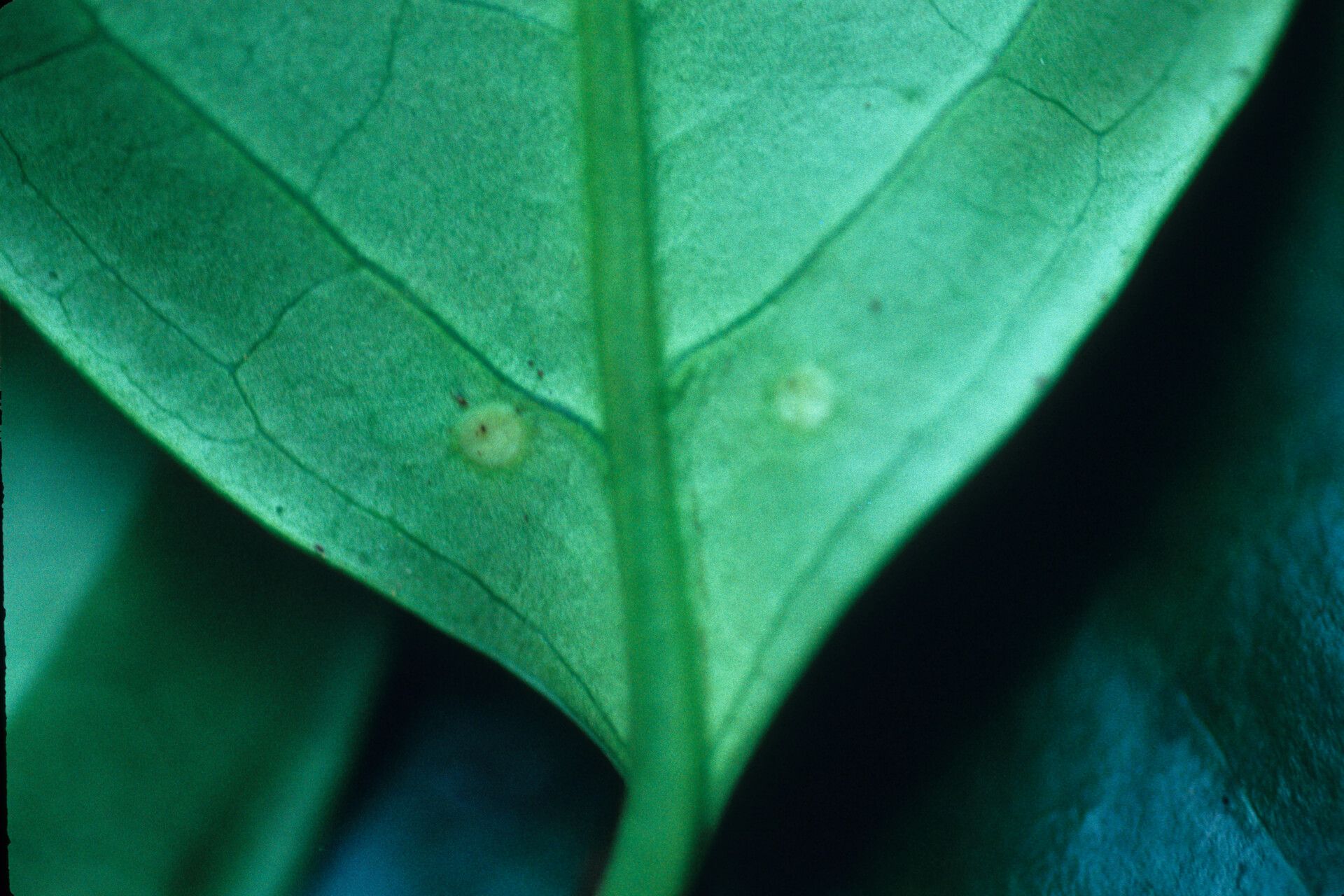
Oh, hello there, fellow plant enthusiast! I’m so glad you stopped by. Today, we’re diving into the wonderful world of Alibertia latifolia, often called simply “Alibertia” or sometimes “Moon Blossom” for its lovely pale flowers. If you’ve ever admired its glossy leaves and elegant form, you’re in for a treat. Propagating it is a fantastic way to multiply your joy, and honestly, it’s a deeply satisfying project.
Why You’ll Love Propagating Alibertia
Alibertia plants are just so rewarding. They bring a lushness to any corner, and knowing you grew them yourself? Pure garden magic! While some plants can be a bit fussy about propagation, Alibertia is generally quite forgiving. I’d say it’s a great plant for beginners looking to try their hand at a new skill. You might lose a cutting or two, and that’s perfectly normal! We’ll talk through it.
When to Get Your Hands Dirty
For the best success with Alibertia, spring is your best friend. Specifically, aim for when the plant is actively growing. You’ll want to take cuttings from healthy, vigorous stems that aren’t too woody or too soft. Think of it as choosing the most promising young shoots that are brimming with life.
Your Propagation Toolkit
Gathering your supplies before you start makes the whole process smoother. Here’s what I usually have on hand:
- Sharp Pruning Shears or a Clean Knife: For making clean cuts.
- Rooting Hormone (Optional but Recommended): Helps speed up root development.
- Potting Mix: A well-draining mix is key. I often use a blend of peat moss, perlite, and a bit of coarse sand. For Alibertia, a slightly airier mix works wonders.
- Small Pots or Seedling Trays: With drainage holes, of course!
- Clear Plastic Bags or a Propagator Lid: To create a humid environment.
- Handy Labels: To remember what you’ve propagated and when!
Bringing New Alibertias to Life
There are a couple of ways we can coax new Alibertias into existence. I find stem cuttings to be the most reliable method for this beauty.
Stem Cuttings: The Go-To Method
- The Cut: Using your sharp shears, take a cutting from a healthy stem. Aim for a piece that’s about 4-6 inches long. Make sure your cut is just below a leaf node (where a leaf attaches to the stem). This is where the magic happens when it comes to rooting.
- Prep the Cutting: Gently remove the lower leaves. You want to expose the stem where roots will form. If your cutting has leaves that are very large, you can even cut them in half to reduce water loss.
- Rooting Hormone (if using): Dip the cut end of the stem into your rooting hormone. Tap off any excess.
- Planting: Make a small hole in your prepared potting mix with a pencil or your finger. Gently insert the cut end of the Alibertia cutting into the hole. Firm the soil gently around the stem to ensure good contact.
- The Humid Home: Water the potting mix gently so it’s moist but not soggy. Cover the pot with a clear plastic bag or place it in a propagator. This creates a little greenhouse effect, keeping humidity high, which is crucial for cuttings.
- Location, Location, Location: Place your pot in a warm spot with bright, indirect light. Avoid direct sun, which can scorch the delicate cuttings.
Water Propagation (A Fun Alternative)
While I lean towards soil for Alibertia, you can try water propagation just to see roots emerge!
- Prepare the Cutting: Follow steps 1 and 2 from the stem cutting method above.
- The Water Bath: Place the prepared cutting in a glass of clean water. The important thing here is to ensure no leaves are submerged. If leaves touch the water, they tend to rot.
- Change the Water: Change the water every few days to keep it fresh and prevent bacterial growth.
- Watch and Wait: Place it in bright, indirect light. You should see roots forming within a few weeks. Once the roots are about an inch long, you can pot them up into soil following the planting instructions for stem cuttings.
The “Secret Sauce” from My Garden
Over the years, I’ve learned a few little tricks that seem to make a difference.
- The Bottom Heat Trick: If you have a heating mat, gently warming the soil from below can significantly speed up root formation. It mimics the warmth of spring soil and gives those rooting hormones a real boost. Just make sure the temperature isn’t too hot; lukewarm is perfect.
- Don’t Be Afraid to Seal It In: Really ensure that humidity is high. If your plastic bag is drooping, that’s a good sign! Sometimes, I’ll even use a clear plastic dome on a seedling tray – these are fantastic for keeping things consistently moist.
- A Little Chop Can Help: If you’ve taken a cutting and it seems to be struggling or wilting before roots form, you can occasionally gently pinch back the tip of the cutting. This encourages energy to go into root development rather than leafy growth.
Aftercare and When Things Go Wrong
Once you spot those beautiful new roots emerging from the drainage holes or see a little new growth on your cutting, you’re almost there!
- Gradual Acclimation: Slowly start to acclimate your new plant to less humid conditions. You can do this by gradually opening the plastic bag or propagator lid for longer periods each day over a week.
- Babying Your New Plant: Once fully acclimated, treat it like a young plant. Water when the top inch of soil is dry, and keep it in bright, indirect light.
- Signs of Trouble: The most common adversary is rot. If your cutting turns brown and mushy, or the soil smells foul, it’s likely rot. Too much moisture combined with poor air circulation is usually the culprit. If you see signs of rot, remove the affected cutting immediately to prevent it from spreading. Sometimes, a cutting might just wither and dry up, which means it didn’t quite manage to root. Don’t get discouraged!
Keep Growing and Enjoy!
Propagating Alibertia latifolia is such a rewarding journey. It teaches you patience and the incredible resilience of plants. Each new plant you grow is a testament to nature’s magic and your own green thumb. Don’t be afraid to experiment a little, trust your instincts, and most importantly, enjoy the process of nurturing life. Happy propagating!
Resource:
https://identify.plantnet.org/k-world-flora/species/Alibertia%20latifolia%20(Benth.)%20K.Schum./data