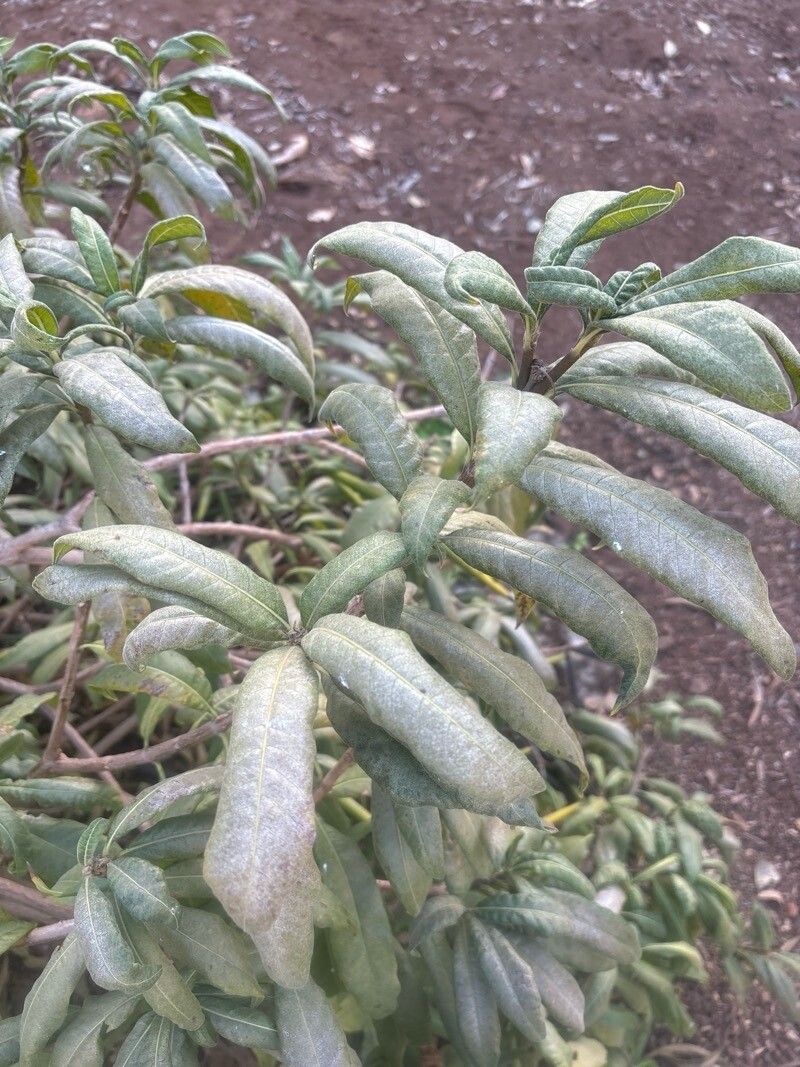
Oh, Strophanthus boivinii! What a plant. Its glossy leaves and those exotic, twisting blooms are truly something special. If you’re looking to add a touch more wonder to your garden or home, propagating this beauty is such a rewarding endeavor. Now, I won’t lie, Strophanthus boivinii can be a little bit of a diva when it comes to starting new plants. It’s not the absolute easiest for a complete beginner, but with a bit of patience and these tips, you’ll be well on your way.
The Best Time to Start
The sweet spot for propagating Strophanthus boivinii is usually during its active growing season. Think late spring through summer. When the plant is putting on new growth, it’s got the energy and resources to dedicate to rooting. Avoid trying to propagate from tired, old stems or when the plant is dormant in cooler months.
Supplies You’ll Need
Gathering your supplies beforehand makes the whole process much smoother. Here’s what I usually have on hand:
- Sharp, clean pruning shears or a clean knife: Essential for making clean cuts.
- Rooting hormone: A soft powder or gel helps encourage root development.
- Well-draining potting mix: I often use a blend of perlite, coco coir, and a bit of compost. You want something that dries out but still holds some moisture.
- Small pots or trays: Clean containers are a must. I like to use 4-inch pots or propagation trays.
- Plastic bags or a propagator: To create a humid environment.
- Water: For misting and eventually watering.
- Optional bottom heat: A seedling heat mat can work wonders for encouraging roots.
Propagation Methods
Here are the most reliable ways I’ve found to get new Strophanthus boivinii plants going:
Stem Cuttings
This is generally my go-to method for Strophanthus.
- Select your stem: Look for a healthy, semi-hardwood stem. This means it’s not brand new and flimsy, but not old and woody either. You’re aiming for a piece about 4-6 inches long.
- Make the cut: Using your clean shears or knife, make a clean cut just below a leaf node. This is where new roots are most likely to form.
- Prepare the cutting: Gently remove the lower leaves, leaving just a couple of top leaves. If your top leaves are very large, you can even cut them in half horizontally. This reduces water loss.
- Apply rooting hormone: Dip the cut end into your rooting hormone powder or gel, tapping off any excess.
- Pot it up: Make a small hole in your well-draining potting mix with a pencil or your finger. Insert the cutting, ensuring the leaf nodes are buried. Gently firm the soil around the base.
- Create humidity: Water the soil lightly until it’s moist but not soggy. Then, cover the pot with a clear plastic bag, securing it around the rim of the pot with a rubber band. If you have a propagator, place your cuttings inside.
Water Propagation (Use with Caution)
While I prefer soil for Strophanthus, some find success with water.
- Prepare the cutting: Follow steps 1-3 from the stem cutting method.
- Place in water: Place the cutting in a clean glass or jar of water. Ensure that no leaves are submerged in the water. Only the cut stem should be in the water.
- Change water regularly: Change the water every 2-3 days to keep it fresh and prevent bacterial growth.
- Watch for roots: Roots should start to appear in a few weeks.
- Potting up: Once the roots are about an inch long, carefully pot the cutting into well-draining soil. Be very gentle as these new roots are fragile.
The “Secret Sauce” (Pro Tips)
Over the years, I’ve learned a few tricks that really seem to boost success.
- Bottom Heat is Your Friend: Strophanthus roots simply love a little warmth from below. Placing your pots on a heated seedling mat can significantly speed up root formation. It’s like a cozy little spa treatment for your cuttings!
- Don’t Drown Your Cuttings: The biggest killer of cuttings is often overwatering, which leads to rot. The goal is consistently moist, not soggy. If you’re using a plastic bag, check the soil moisture every few days. If it feels very wet, gently open the bag to allow some air circulation.
- Patience, Patience, Patience: Strophanthus can be slower to root than some other plants. Don’t despair if you don’t see new growth or feel some tug when gently trying to lift the cutting after a few weeks. Give it at least 4-6 weeks, sometimes longer, before assuming it hasn’t worked.
Aftercare & Troubleshooting
Once you see new leaf growth or feel a good tug when gently testing for roots, congratulations! Your cutting has likely rooted.
- Acclimatization: Slowly introduce your new plant to less humid conditions. Over a week or so, gradually open the plastic bag or propagator.
- Watering: Water as you would a mature Strophanthus – allow the soil to dry out slightly between waterings.
- Light: Provide bright, indirect light. Avoid harsh, direct sun which can scorch young leaves.
The main troubleshooting issue you’ll encounter is rot. If your cutting turns black and mushy at the base, or the leaves start to yellow and fall off rapidly, it’s usually a sign of too much moisture and not enough air circulation. If this happens, you might need to start again, ensuring your soil is well-draining and you’re not overwatering.
A Little Bit of Green Thumb Magic
Propagating Strophanthus boivinii is a journey, and like any good journey, it requires a little faith and perseverance. Enjoy the process of nurturing these new lives. Be patient, observe your cuttings, and celebrate each little sign of progress. You’ve got this!
Resource:
https://identify.plantnet.org/k-world-flora/species/Strophanthus%20boivinii%20Baill./data