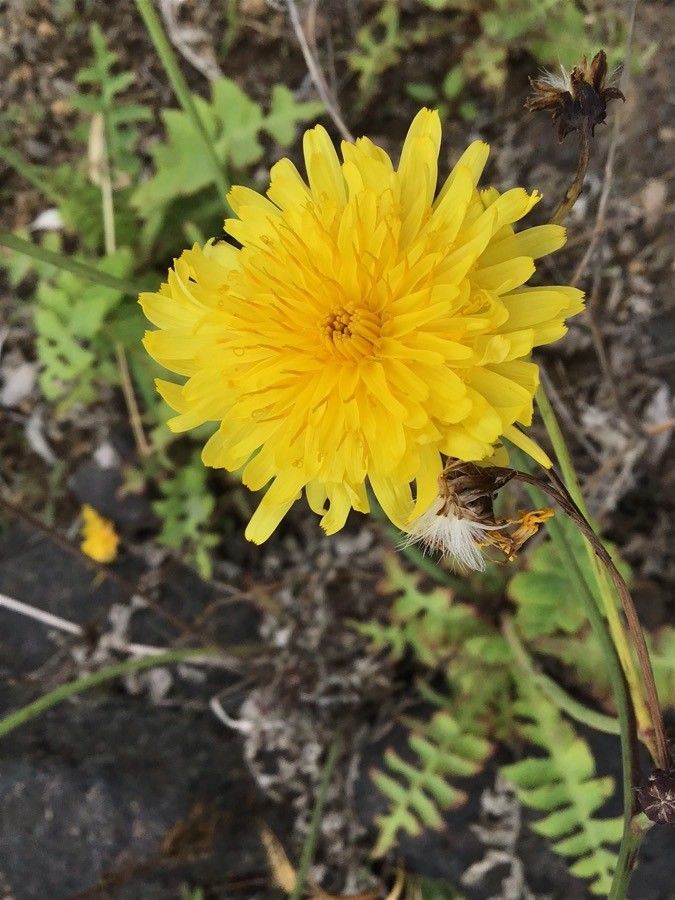
Hello, fellow plant lovers! I’m so excited to chat with you today about a gorgeous and surprisingly easy-to-propagate plant: Sonchus fauces-orci. You might know it by its common name, the Orca Sow Thistle, or perhaps its attractive, architectural rosettes of silvery-green, almost spiny leaves. It brings such a modern, striking feel to any garden bed or container. And let me tell you, multiplying these beauties is incredibly rewarding. If you’re a beginner looking to dip your toes into propagation, you’re in luck – this one is wonderfully forgiving!
The Best Time to Start
Honestly, for Sonchus fauces-orci, the best time to get your hands dirty with propagation is when the plant is actively growing. This usually means from late spring through summer, once the danger of frost has passed and your plant is really pushing out new life. You’re looking for healthy, vigorous growth. Trying to propagate when the plant is stressed or dormant just makes things harder for everyone, including your baby plants!
Supplies You’ll Need
Here’s what you’ll want to have on hand:
- Sharp, clean pruning shears or a sharp knife: Cleanliness is key to preventing disease.
- Rooting hormone (optional but recommended): This little helper gives your cuttings a real boost. I personally like the powder form.
- Well-draining potting mix: A mix designed for succulents or cacti works wonderfully, or you can create your own by combining equal parts peat moss, perlite, and coarse sand.
- Small pots or seed trays: Clean ones are a must.
- Watering can with a fine spray nozzle or a mister: Gentle watering is essential.
- Plastic bags or a clear plastic cloche: For creating a humid environment.
Propagation Methods
The most straightforward way to propagate Sonchus fauces-orci is through stem cuttings. It’s like giving your plant a little haircut and getting a whole new plant out of it!
- Take Your Cuttings: Select a healthy, non-flowering stem from your mature plant. You want a piece that’s about 4-6 inches long. Use your clean shears or knife to make a cut just below a leaf node (the little bump where a leaf attaches to the stem).
- Prepare the Cuttings: Gently remove the lower leaves from the cutting, leaving just a few leaves at the top. This helps the plant focus its energy on rooting rather than supporting a lot of foliage it can’t yet sustain. If you like, you can dip the cut end into your rooting hormone, tapping off any excess.
- Planting: Fill your small pots or trays with your well-draining potting mix. Make a small hole in the center with your finger or a pencil. Insert the cut end of your Sonchus cutting into the hole, ensuring the leaf nodes are below the soil surface. Gently firm the soil around the base.
- Water and Cover: Water the soil thoroughly but gently so it’s moist, not soggy. Then, cover the pots with a plastic bag or cloche. This creates a mini-greenhouse effect, keeping the humidity high, which is crucial for establishing roots. You can prop the bag up with a few stakes so it doesn’t touch the leaves.
The “Secret Sauce” (Pro Tips)
Here are a few little tricks I’ve picked up over the years that can really make a difference:
- Let your cuttings “callous” first. After you make the cut and remove the lower leaves, let the cut end air dry for a few hours, or even overnight, before dipping in rooting hormone (if you’re using it) and planting. This allows the wound to heal a bit, making it less susceptible to rot. It’s a small step, but I’ve found it improves success rates significantly for many plants.
- Bottom heat is your friend. If you can, place your pots on a heating mat designed for seedlings. This gentle warmth from below encourages root development without drying out the top soil too quickly. It’s like a cozy spa day for your cuttings!
- Don’t overcrowd! Give your cuttings enough space in their pots. Trying to cram too many into one pot can lead to competition for resources and increase the risk of fungal diseases spreading. A little breathing room goes a long way.
Aftercare & Troubleshooting
Once your cuttings are planted and covered, place them in a bright spot with indirect light. Avoid direct sun, which can scorch the tender cuttings. Keep the soil consistently moist but never waterlogged. You can check this by gently poking your finger into the soil. If it feels dry an inch down, it’s time for a light watering.
After a few weeks, you should start to see new growth appearing from the center of the plant or tiny roots poking through the drainage holes. That’s your sign of success! You can carefully remove the plastic cover gradually over a few days to acclimatize your new plant to normal humidity levels.
Now, what if things don’t go as planned? The most common issue is rot. If you notice your cuttings becoming mushy, black, and smelling strongly of decay, it’s usually a sign of overwatering and poor drainage. Unfortunately, these cuttings are usually lost. The best preventative is using that well-draining soil mix and watering judiciously. It happens to all of us at some point – just learn from it and try again!
A Encouraging Closing
Seeing a new plant emerge from a little cutting is pure magic, isn’t it? Propagation is a wonderful way to connect with your plants, expand your collection, and share the joy with friends. Don’t be discouraged if your first few attempts aren’t perfect. Every gardener has a learning curve! Be patient, observe your plants carefully, and most importantly, enjoy the process of nurturing life. Happy propagating!
Resource:
https://identify.plantnet.org/k-world-flora/species/Sonchus%20fauces-orci%20Knoche/data