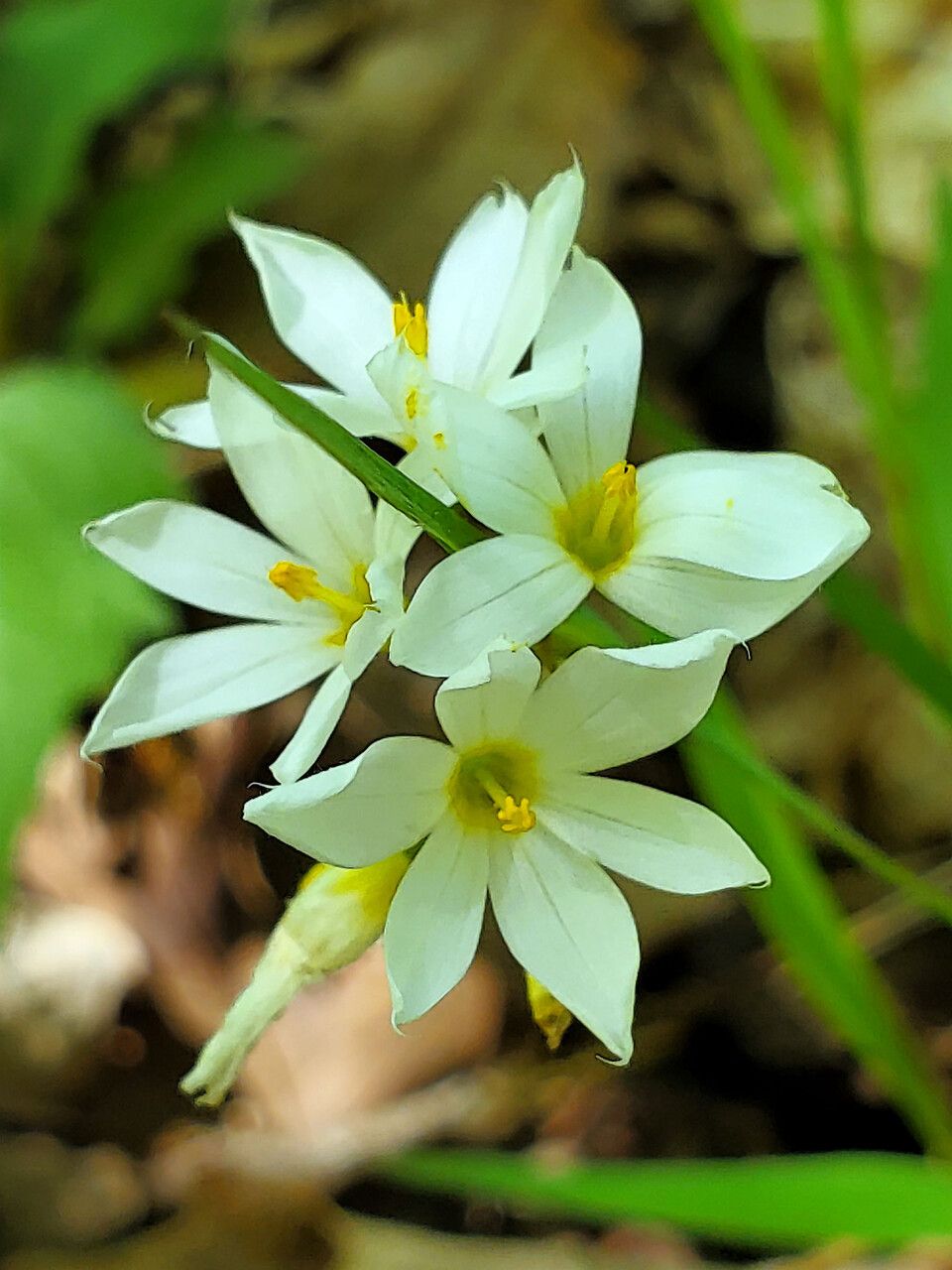
Hello, fellow garden lovers! I’m so excited to chat with you today about one of my absolute favorite spring bloomers: Sisyrinchium albidum. You might know it by its common name, White Blue-Eyed Grass. This little gem is just a delight. Its delicate, starry white flowers, often with a soft yellow center, pop up in late spring, adding such a sweet, understated elegance to any garden bed. Plus, it’s a wonderful native plant, attracting pollinators like happy little bees and butterflies.
If you’re looking to bring more of this charm into your garden without breaking the bank, propagating Sisyrinchium albidum is an incredibly rewarding endeavor. And the best part? It’s actually quite beginner-friendly! You don’t need to be a seasoned pro to successfully multiply your patch of this lovely native. Let’s get our hands dirty and start growing some more!
The Best Time to Start
Honestly, the easiest time to get new Sisyrinchium albidum plants going is when the plant is actively growing, but before it gets too stressed by summer heat. I find that early spring, just as new shoots are emerging from the ground, or early fall, after the main flowering period has finished, are your golden windows. These are cooler, moister times that give the new propagules a better chance to establish before facing harsh conditions.
Supplies You’ll Need
Gathering your supplies beforehand makes the whole process so much smoother. Here’s what I always have on hand:
- Sharpshooter Pruning Shears: Clean and sharp is key for making neat cuts.
- Small Pots or Seed Trays: About 3-4 inch pots are perfect. Make sure they have drainage holes!
- Propagation Potting Mix: A mix of equal parts peat moss or coco coir, perlite, and a little bit of good quality compost works wonders. It needs to be light and well-draining.
- Rooting Hormone (Optional but Recommended): A powder or gel can give your cuttings a little boost.
- Watering Can with a Fine Rose: For gentle watering.
- Marker and Labels: Don’t forget to label your pot!
- A Small Trowel: For gently handling roots.
Propagation Methods
For White Blue-Eyed Grass, division is by far the most successful and straightforward method. It’s like giving your established clumps a helpful haircut and getting new plants in return!
Division Method:
- Locate a Mature Clump: Find one of your established plants that looks healthy and has grown into a decent-sized clump.
- Gently Excavate: Using your trowel, carefully dig around the base of the clump, lifting it out of the ground. Try to keep as much of the root ball intact as possible.
- Clean Off Excess Soil: Gently shake off some of the loose soil from the roots. This will help you see where the divisions naturally separate.
- Separate the Divisions: Here’s where patience comes in. You want to gently pull the clump apart into smaller sections. Each section should have some roots and at least a few leafy shoots. If they’re really stuck, you can use a clean knife or even your fingers. Don’t be afraid to split it into quite small divisions; they’re surprisingly resilient.
- Replant Immediately: Have your pots pre-filled with your propagation mix ready. Plant each division so that the top of the root ball is just at soil level.
- Water Thoroughly: Give your newly planted divisions a good, gentle watering to settle the soil around the roots.
The “Secret Sauce” (Pro Tips)
Here are a couple of things I’ve learned over the years that really make a difference:
- Don’t Drown Them: While you want to keep the soil moist, Sisyrinchium albidum can be prone to rot if water sits around its crown. Ensure excellent drainage and only water when the top inch of soil feels dry to the touch. It’s better to be a little dry than too wet!
- Give Them a Cozy Spot: Newly divided plants appreciate a bit of protection. While you don’t need a fancy propagator, place your potted divisions in a spot that gets bright, indirect light. They don’t need blazing sun immediately. A shady corner of the patio or under a larger shrub is perfect.
Aftercare & Troubleshooting
Once your divisions are planted, keep them consistently moist, but not waterlogged. You should start to see signs of new growth within a few weeks. New shoots emerging from the soil are a wonderful indication that they’re happy and rooting.
The most common issue you might encounter is rot. If you notice your leaves turning yellow and mushy, or the base of the plant looking dark and squishy, it’s usually a sign of too much moisture. If this happens, gently lift the plant, trim away any rotted parts with clean shears, and repot into fresh, dry soil. Ensure better drainage and a lighter watering schedule moving forward.
A Fulfilling Endeavor
Propagating Sisyrinchium albidum is such a satisfying way to expand your garden. It connects you more deeply with your plants and offers the quiet joy of nurturing something new from an existing treasure. Be patient with your new babies, give them a little care, and you’ll be rewarded with more of those charming white blooms year after year. Happy gardening!
Resource:
https://identify.plantnet.org/k-world-flora/species/Sisyrinchium%20albidum%20Raf./data