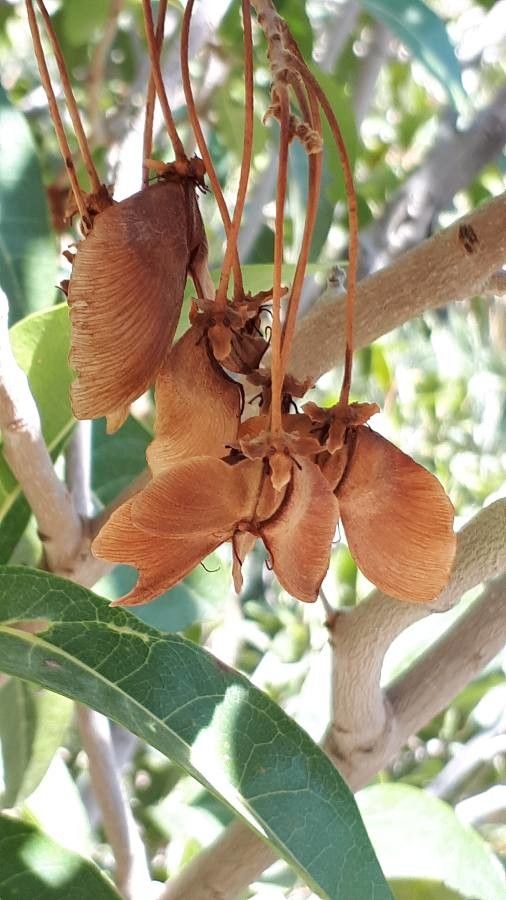
Hello there, fellow plant enthusiasts! It’s so lovely to have you join me today. I’m excited to talk about a real gem of a plant: Acridocarpus orientalis. This beauty, with its vibrant flowers and lovely vining habit, can truly transform a garden or even a sunny patio. And the best part? Bringing new life into the world from cuttings is one of the most rewarding gardening experiences. For Acridocarpus orientalis, I’d say it’s moderately rewarding for beginners – with a little patience and the right approach, you’ll be successful!
The Best Time to Start
For the highest success rate with Acridocarpus orientalis, spring is your golden ticket. As the plant emerges from its winter dormancy and enters its active growth phase, it’s brimming with energy. This vibrant energy makes it much more receptive to rooting. Look for new, supple growth rather than old, woody stems.
Supplies You’ll Need
Gathering your tools before you begin makes the whole process smoother:
- Sharp Pruning Shears or a Craft Knife: Cleanliness is key!
- Rooting Hormone: A powder or gel will boost your cuttings’ chances.
- Well-draining Potting Mix: I like a blend of peat moss, perlite, and a bit of coarse sand.
- Small Pots or Trays: With drainage holes, of course.
- Plastic Bags or a Propagator: To create a humid environment.
- Watering Can or Spray Bottle: For gentle watering.
- Labels: So you don’t forget what you planted!
Propagation Methods
Let’s get our hands dirty! The most reliable way to propagate Acridocarpus orientalis is through stem cuttings.
- Select Your Cuttings: In spring, look for healthy stems that are semi-hardwood. This means they’re not brand new and floppy, but not old and woody either. Aim for cuttings about 4-6 inches long.
- Make the Cut: Using your clean, sharp shears or knife, make a clean cut just below a leaf node. This is where roots are most likely to form.
- Prepare the Cutting: Remove the lower leaves, leaving only the top two or three. This prevents them from rotting in the soil. If any leaves are very large, you can even cut them in half to reduce water loss.
- Apply Rooting Hormone: Dip the cut end of the stem into your rooting hormone, tapping off any excess.
- Plant the Cuttings: Fill your small pots with your well-draining mix. Make a small hole with your finger or a pencil, and gently insert the cutting. Firm the soil gently around the stem.
- Create Humidity: Water the soil lightly. Then, cover the pot with a clear plastic bag, securing it with a rubber band, or place it inside a propagator. This creates a mini-greenhouse to keep humidity high.
The “Secret Sauce” (Pro Tips)
Here are a couple of things I’ve learned over the years that really make a difference:
- The “Bottom Heat” Trick: For faster rooting, especially if your home is a bit on the cooler side, I place my pots on a heat mat. This gentle warmth encourages root development from below, giving your cuttings a real head start.
- Cleanliness is Next to Godliness: I can’t stress this enough! Always use sterilized tools and pots. Any lingering bacteria or fungus can easily attack a vulnerable cutting and lead to rot. A quick rinse in hot, soapy water or a dip in diluted bleach solution (rinsed thoroughly, of course) works wonders.
Aftercare & Troubleshooting
Once your cuttings are planted, keep them in a bright, indirect light spot. Check the soil moisture regularly – it should be consistently moist but not soggy. Gently mist the leaves if they start to look a little sad.
You’ll know your cuttings are rooting when you see new leaf growth, usually within 4-8 weeks. You can also give a very gentle tug – if there’s resistance, roots have formed! Once they’ve rooted well, you can transplant them into slightly larger pots.
The most common sign of trouble is rot. If your cuttings turn mushy or black, they’ve likely succumbed to rot. This usually happens due to overwatering or poor drainage. Don’t be discouraged! Just clean everything thoroughly and try again.
A Encouraging Closing
So, there you have it! Propagating Acridocarpus orientalis is a wonderful way to expand your collection and share the joy of these beautiful plants. Remember, gardening is a journey, and patience is one of our greatest tools. Don’t be afraid to experiment, learn from each attempt, and most importantly, enjoy the process of nurturing new life. Happy propagating!
Resource:
https://identify.plantnet.org/k-world-flora/species/Acridocarpus%20orientalis%20A.Juss./data