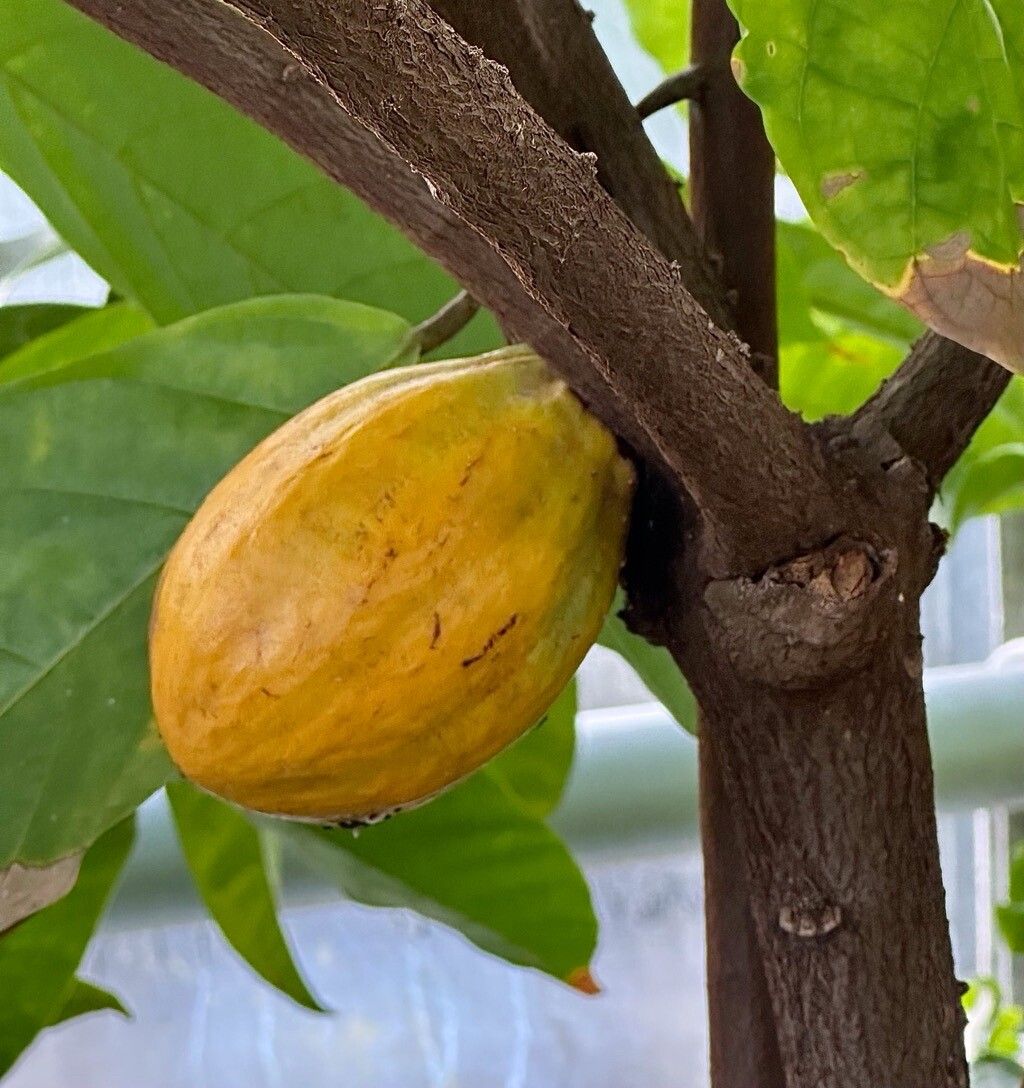
Oh, the magic of the cacao tree! Just the thought of coaxing a new life from a parent plant makes my heart sing. For those of us who’ve ever savored a piece of dark chocolate, knowing that it all begins with these beautiful, tropical trees is pretty special, isn’t it? Propagating Theobroma cacao, the chocolate tree, is a deeply rewarding endeavor. It’s not exactly a beginner’s walk in the park, I’ll admit. It requires a bit of patience and attention to detail, but the joy of seeing those first tiny roots emerge is absolutely worth the effort.
When is the Sweet Spot for Starting?
Timing is everything in gardening, and for cacao, late spring into early summer is generally your best bet. This is when the parent tree is actively growing and the days are longer and warmer. You’ll have the best luck taking cuttings from healthy, new growth** that’s started to harden off a bit – not brand new, floppy stems, but not old, woody ones either. Think of it as getting cuttings from a branch that’s just about to become a bit more substantial.
Gathering Your Gardener’s Arsenal
To give your little cacao babies the best start, you’ll want to gather a few things:
- Sharp, sterile pruning shears or a clean knife: For making precise cuts.
- Rooting hormone powder or gel: Seriously, this is your best friend for encouraging root development.
- A well-draining potting mix: I like a blend of peat moss, perlite, and a bit of sand. Think something that holds moisture but doesn’t get waterlogged.
- Small pots or seedling trays: Clean ones are a must to prevent disease.
- A plastic bag or propagator lid: To create a humid environment.
- A mister or spray bottle: For light watering.
- Optional: A heat mat: For providing gentle bottom warmth.
Bringing New Cacao to Life: Stem Cuttings
This is the most common and usually the most successful method for home propagation.
- Select Your Cuttings: Look for stems that are about 6-8 inches long and have at least two to three sets of leaves. Gently scrape away a sliver of bark about an inch long from the bottom end of the cutting. This exposes the cambium layer, which is where root growth will begin.
- Dip and Plant: Dip the bottom, scraped end into your rooting hormone. Tap off any excess. Then, make a hole in your potting mix with a pencil or your finger, and gently insert the cutting. Firm the soil around it. Don’t push the cutting directly into the dry soil, as this can knock off the hormone.
- Create a Humid Haven: Water the soil lightly until it’s evenly moist. Then, cover the pot or tray with a plastic bag or propagator lid. This traps humidity, which is crucial for cuttings. Make sure the leaves aren’t touching the plastic if possible, as this can encourage rot.
- Find the Right Spot: Place your propagator in a bright location but out of direct sunlight. Cacao seedlings are quite delicate and can scorch easily. Consistent warmth is key.
My “Secret Sauce” for Success
After years of coaxing these tropical beauties, I’ve picked up a few tricks:
- Bottom Heat is Your Secret Weapon: This is where that optional heat mat comes in. Cacao roots really thrive on warmth. Placing your cuttings on a gentle heat mat (around 75-80°F or 24-27°C) significantly speeds up root formation and increases your success rate. You’ll often see results much quicker.
- Don’t Overwater, But Don’t Let Them Dry Out: It’s a fine balance. When misting or watering, aim for consistently moist, but never soggy, soil. Excess water sitting in the pot is a fast track to root rot, which is the bane of all propagation efforts. Check the soil moisture by gently poking your finger in – if it feels dry about an inch down, it’s time for a light watering or misting.
- Patience with the Leaves: If you notice the current leaves wilting a bit, don’t panic. It’s normal as the cutting works to establish roots. However, if the leaves turn yellow and fall off, that’s a more concerning sign.
Nurturing Your Tiny Seedlings and What to Watch For
Once you start to see new leaf growth and gently tugging on a cutting reveals resistance (meaning roots have formed!), it’s time for a little extra care. Gradually increase air circulation by opening the propagator lid a bit each day over a week. Continue to keep them in bright, indirect light and maintain consistent moisture.
The most common pitfall is root rot. You’ll notice it if the cutting turns black and mushy at the base, or the leaves develop black spots and then droop. This is usually a sign of too much moisture and not enough air
Resource:
https://identify.plantnet.org/k-world-flora/species/Theobroma%20cacao%20L./data