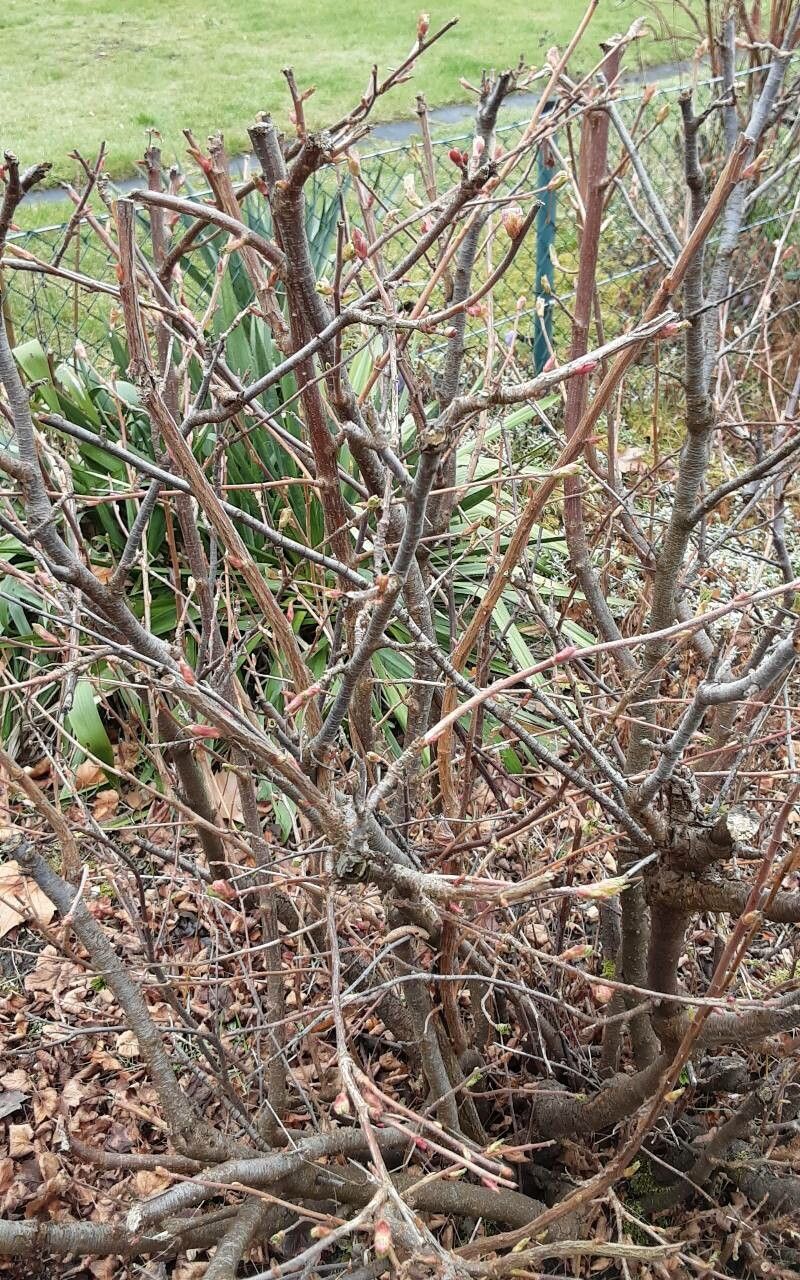
Hello, fellow garden enthusiasts! I’m so excited to chat with you today about a truly special plant: Prunus incana, or the Grey Cherry. If you’ve ever admired those lovely, soft grey leaves and delicate spring blooms, you’re not alone. This plant brings such a serene beauty to the garden, almost like a whisper of silver. And the best part? You can easily bring that whisper into your very own garden by propagating it!
Propagating Prunus incana is a wonderfully rewarding endeavor. There’s a special kind of joy in nurturing a tiny cutting or seed into a thriving new plant. While some plants can be a bit finicky, I find Prunus incana to be quite agreeable. For those new to the gardening game, this might be a fantastic place to start building your propagation confidence.
The Best Time to Start
Timing is everything, as they say. For Prunus incana, I’ve found the sweet spot for propagation is generally late spring to early summer. This is when the plant is in a robust growth phase, meaning those cuttings have the energy they need to get going. Look for new, semi-hardened shoots. They’ll feel a bit sturdy but not woody yet.
Supplies You’ll Need
Before we get our hands dirty, let’s gather our companions for this propagation adventure. You won’t need a whole lot, but having these on hand makes the process so much smoother:
- Sharp Pruning Shears or a Knife: Clean cuts are essential.
- Rooting Hormone: This is your best friend for encouraging root development. I prefer a powder form, but a gel works just as well.
- Well-draining Potting Mix: A good mix of peat moss, perlite, and a bit of compost is ideal. You can also buy specialized propagation mixes.
- Small Pots or Seedling Trays: Cleanliness is key here – use pots that have been washed thoroughly.
- Plastic Bags or a Mini Greenhouse: To maintain humidity around your cuttings.
- Watering Can with a Fine Rose: For gentle watering.
- Labels and a Marker: You’ll thank yourself later for knowing what’s what!
Propagation Methods
Let’s dive into how we can grow more of these beauties.
Stem Cuttings
This is my go-to method for Prunus incana. It’s straightforward and usually yields great results.
- Take Your Cuttings: On a cool, overcast day (or early in the morning), use your clean pruning shears to take stem cuttings that are about 4-6 inches long. Choose healthy, non-flowering shoots from the current season’s growth. Make the cut just below a leaf node – that little bump where the leaf attaches to the stem.
- Prepare the Cuttings: Gently remove the lower leaves from the cutting, leaving only a few at the top. If your cuttings are very long, you can even trim the remaining leaves in half to reduce water loss.
- Apply Rooting Hormone: Dip the cut end of each stem into your rooting hormone, ensuring it’s coated up to where the last leaf was removed. Tap off any excess.
- Plant Your Cuttings: Fill your clean pots with your well-draining potting mix. Make a small hole in the center of the mix with a pencil or your finger. Carefully insert the prepared cutting into the hole, making sure the rooting hormone stays on the part that will be under the soil. Firm the soil gently around the stem.
- Water Gently: Water your newly planted cuttings lightly to settle the soil.
Water Propagation
While I lean towards soil for Prunus incana, water propagation can work for some, albeit with a bit more caution.
- Select and Prepare Cuttings: Similar to stem cuttings, take 4-6 inch cuttings and remove the lower leaves.
- Place in Water: Place the cuttings in a clean jar or vase filled with fresh water. The key here is to ensure that no leaves are submerged in the water. Any leaf in the water will likely rot, which can kill the whole cutting.
- Change Water Regularly: Change the water every few days to keep it fresh and oxygenated.
- Wait for Roots: You should start to see tiny root nubs appearing within a few weeks. Once the roots are about an inch long, it’s time to transplant them into soil carefully to avoid breaking those new, delicate roots.
The “Secret Sauce” (Pro Tips)
Here are a few little tricks I’ve picked up over the years that really give your Prunus incana cuttings a better chance:
- Bottom Heat is a Game Changer: Prunus incana really loves a little warmth from below. If you can, pop your pots onto a heated propagator mat or even a warm windowsill (but not direct, scorching sun). This encourages root growth from the get-go, even if the tops aren’t showing much action yet.
- Don’t Overwater, Ever! This is probably the most common pitfall. Overwatering leads to rot, and that’s the kiss of death for cuttings. The soil should feel moist but not soggy. A good way to check is to stick your finger about an inch into the soil. If it feels dry, water sparingly.
- Humidity is Your Friend, But Watch Out: That plastic bag or mini greenhouse is crucial for keeping your cuttings from drying out. However, if you see condensation building up heavily on the inside of the bag, it’s a sure sign of too much moisture. Pop the bag off for an hour or two to let things air out before sealing it back up.
Aftercare & Troubleshooting
Once you see those first signs of roots – a gentle tug on the cutting will meet resistance, or you might even see new leaves sprouting – congratulations!
- Acclimatize Gradually: If you’ve used a plastic bag or propagator, slowly introduce your new plant to normal room humidity over a week or so. Gradually open the bag a little more each day.
- Potting Up: Once the roots are well-established (you might see them peeking out of the drainage holes), you can pot your new Prunus incana into a slightly larger pot with a good quality potting mix.
- Troubleshooting: The most common issue is rot. If your cutting turns black and mushy, it’s likely succumbed to rot. This is usually due to overwatering or poor drainage. Another sign of trouble is if the leaves completely wilt and turn yellow despite being in a humid environment – this can also indicate root rot or a lack of available water reaching the plant. Don’t be discouraged if a few don’t make it; it’s all part of the learning process!
A Heartfelt Closing
Propagating Prunus incana is a journey, and one that I hope you’ll embark on with enthusiasm. Be patient with your little cuttings. Nature works at its own pace, and there’s so much beauty in that process. Enjoy the anticipation, celebrate every tiny sign of life, and soon you’ll have more of these enchanting grey cherries to grace your garden. Happy propagating!
Resource:
https://identify.plantnet.org/k-world-flora/species/Prunus%20incana%20(Pall.)%20Batsch/data