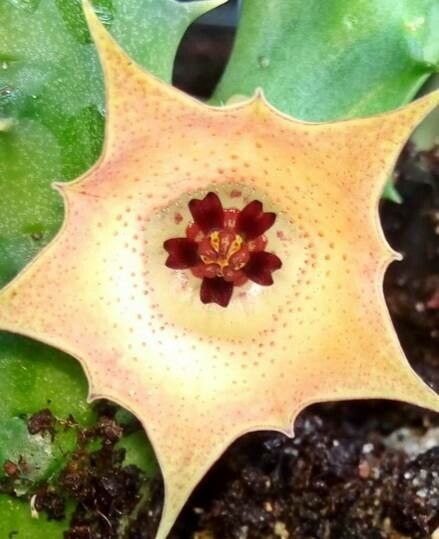
Hello fellow plant lovers! I’m so excited to dive into the wonderful world of propagating Huernia rosea with you today. If you’ve ever admired its intricate, star-shaped blooms that often smell like… well, let’s just say they have a unique perfume! – you’re in for a treat. Growing new Huernias from your existing ones is incredibly satisfying, and I promise, it’s not as daunting as it might seem. In fact, for a succulent, Huernia rosea is quite forgiving, making it a great plant for beginners looking to expand their collection.
The Best Time to Start
When it comes to giving your new Huernia cuttings the best shot at life, I’ve found that spring and early summer are your absolute best friends. This is when the plant is actively growing, meaning it has plenty of energy to send out roots and establish itself. Waiting until after your plant has finished its main blooming cycle is also a good cue to start, as it’s really in its prime then.
Supplies You’ll Need
Gathering your tools beforehand makes the whole process smooth sailing. Here’s what I always have on hand:
- Well-draining potting mix: A cactus and succulent mix is perfect, or you can make your own by combining potting soil, perlite, and coarse sand in equal parts.
- Sharp pruning shears or a clean knife: For making neat cuts.
- Rooting hormone (optional but recommended): This can give your cuttings a little extra boost.
- Small pots or trays: Ones with drainage holes, of course!
- Watering can or spray bottle: For gentle watering.
- Labels: So you don’t forget what you’ve planted!
Propagation Methods
There are a couple of delightful ways to bring new Huernias into existence.
Stem Cuttings
This is my go-to method, and it’s incredibly effective.
- Select a healthy stem: Look for a segment that’s at least 3-4 inches long and looks plump and vibrant.
- Make the cut: Using your sharp shears or knife, make a clean cut at the base of the chosen stem segment.
- Allow to callous: This is crucial! Let the cut end dry and form a callus for a few days to a week. You want the end to look and feel dry, almost leathery. This prevents rot.
- Plant the cutting: Once calloused, you can either dip the cut end in rooting hormone (if using) or just proceed to planting. Stick the calloused end about an inch deep into your prepared well-draining soil.
- Water lightly: Give it a very light watering. You want the soil to be barely moist, not soggy.
Division
If your Huernia has grown into a dense clump, division is a fantastic way to get multiple plants and rejuvenate the parent.
- Gently remove from pot: Carefully take your Huernia out of its container.
- Loosen the roots: Shake off excess soil to expose the root ball.
- Separate the clumps: You should be able to see natural divisions where stems have grown together. Gently pull or use your knife to carefully separate these portions, ensuring each has some roots attached.
- Let them callous (optional but advised): Similar to cuttings, if you’ve had to break any roots or stems, let the separated parts air dry for a day or two to heal any wounds.
- Repot: Plant each division back into its own pot with fresh, well-draining soil. Water lightly.
The “Secret Sauce”
Here are a few things I’ve learned over the years that make a real difference:
- Don’t overwater, ever: This is the golden rule for Huernias and succulents in general. When propagating, it’s even more critical. Think of it as giving them a thirst quench, not a bath. If you’re unsure, wait another day.
- Bottom heat is your friend: Especially early in the season, placing your pots on a gentle seedling heat mat can significantly speed up rooting. It mimics the warmth of summer soil and encourages those roots to venture out.
- Patience is key with watering: When your cuttings are just sitting in soil, try misting them occasionally rather than watering from the top. This keeps the foliage hydrated without waterlogging the precious, rootless cutting.
Aftercare & Troubleshooting
Once you see new growth or feel a slight tug when you gently wiggle the stem, congratulations – you have roots! Now, it’s time for tender loving care.
- Gradually increase watering: As your new plant establishes, you can slowly increase watering, but always allow the soil to dry out completely between waterings.
- Bright, indirect light: Keep your new Huernias in a bright spot, but avoid direct, harsh sunlight, which can scorch delicate new growth.
- Watch for rot: The most common sign of failure is rot. If a stem cutting turns mushy, black, or translucent, it’s likely rotted. This is almost always due to overwatering. In this case, it’s best to discard the affected cutting and reassess your watering habits. If a division isn’t thriving, check its roots – look for white, firm roots. Brown, mushy roots indicate rot.
A Little Encouragement to Finish
Propagating Huernia rosea is a journey of patience and observation. Don’t be discouraged if not every cutting takes – that’s the nature of gardening! Each attempt teaches you something new. So, grab your tools, pick out a healthy stem, and have fun bringing new life into your home. Happy propagating!
Resource:
https://identify.plantnet.org/k-world-flora/species/Huernia%20rosea%20L.E.Newton%20&%20Lavranos/data