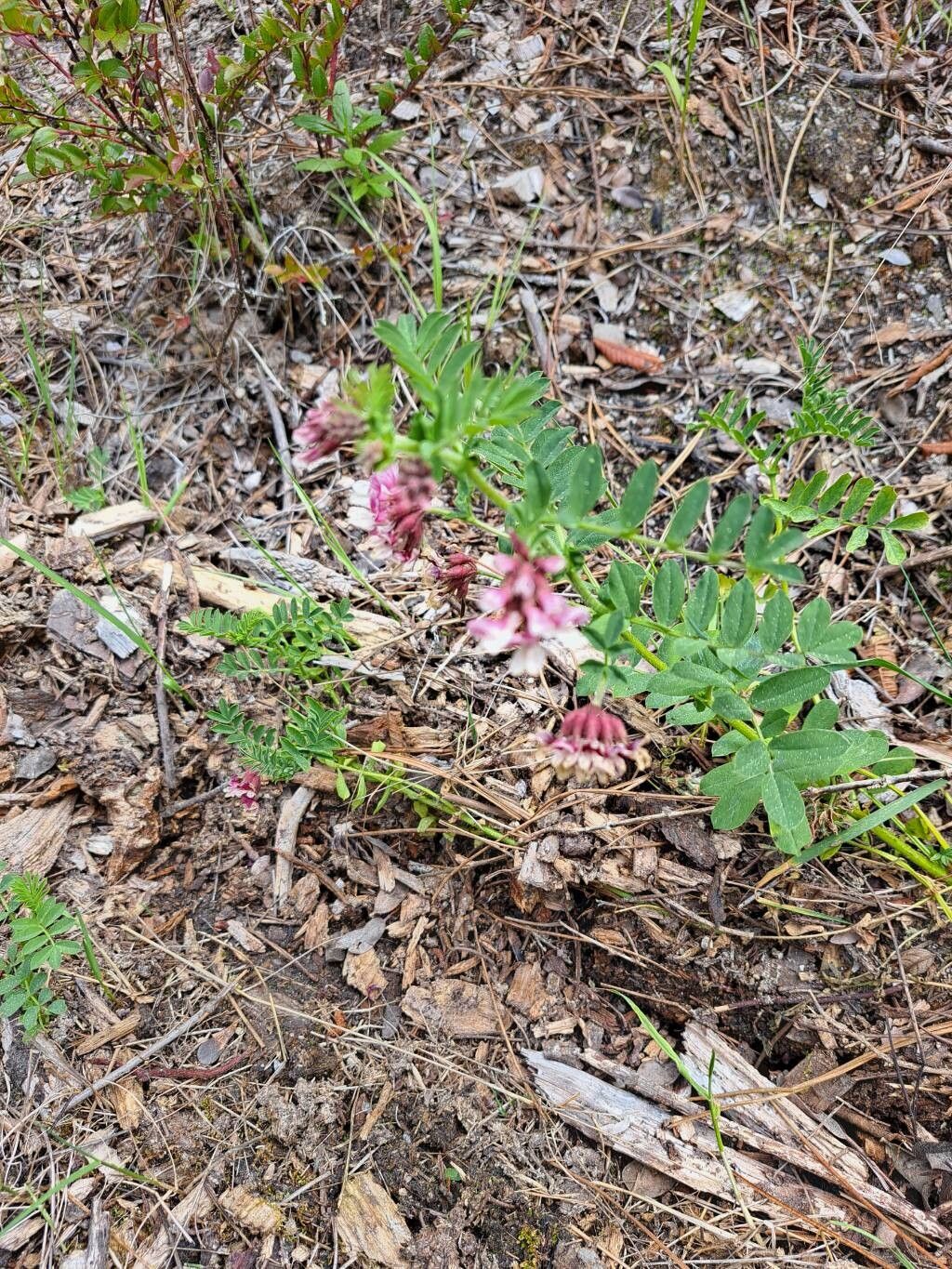
Oh, hello there, fellow plant explorer! It’s so lovely to share a moment with you, perhaps over a cuppa and some sunshine. Today, I want to chat about a wonderfully cheerful plant that’s been a quiet favorite of mine for years: Hosackia stipularis.
Why Get Your Hands Dirty with Hosackia?
Hosackia stipularis, with its delicate, pea-like flowers and lovely foliage, brings a subtle, graceful charm to any garden nook or windowsill. It’s not an ostentatious bloomer, but its enduring prettiness is utterly captivating. And the best part? Propagating it is a really satisfying way to expand your collection, or to share this beauty with friends. For beginners, I’d say Hosackia is a moderately easy plant to propagate. It’s forgiving enough to build confidence, but requires just a touch of mindful attention.
The Best Time to Start
The sweet spot for propagating Hosackia stipularis is definitely late spring to early summer. This is when the plant is in a robust growth phase, brimming with energy. You’re looking for new, healthy growth, usually stems that are still a bit soft and pliable, not yet woody. Think of them as young, eager shoots ready to take on the world.
Supplies You’ll Need
Gathering your tools beforehand makes the process so much smoother. Here’s what I always have on hand:
- Sharp, clean pruning shears or a craft knife: For making precise cuts.
- Rooting hormone (powder or gel): Not strictly essential for Hosackia, but it can give your cuttings a helpful boost.
- A well-draining potting mix: I like a blend of peat moss or coco coir mixed with perlite or coarse sand (about a 50/50 ratio works wonders). This ensures good aeration and prevents waterlogging.
- Small pots or propagation trays: Clean pots are key to preventing disease.
- A clear plastic bag or propagation dome: To create a humid environment for your cuttings.
- Water: For misting and watering.
- A small trowel or spoon: For filling pots.
Propagation Methods: Let’s Get Growing!
The most reliable method for Hosackia stipularis is through stem cuttings. It’s a tried-and-true technique that usually yields fantastic results.
Stem Cuttings:
- Select Your Cuttings: Gently examine your Hosackia plant. Look for healthy, non-flowering stems that are about 4-6 inches long. These should be flexible, not stiff or woody.
- Make the Cut: Using your sharp, clean shears or knife, make a clean cut just below a leaf node (that little bump where a leaf attaches to the stem). This is where the plant is most likely to initiate root growth.
- Prepare the Cutting: Carefully remove the lower leaves from the stem, leaving just a few leaves at the top. This reduces water loss and prevents leaves from rotting in the soil.
- Apply Rooting Hormone (Optional): If you’re using rooting hormone, dip the cut end into the powder or gel, tapping off any excess.
- Plant Your Cuttings: Fill your pots with the well-draining potting mix. Make a small hole with your finger or a pencil and gently insert the cut end of the stem. Firm the soil gently around the base of the cutting to ensure good contact.
- Water Lightly: Water the soil thoroughly but gently, allowing excess water to drain away.
- Create a Humid Environment: Place your pots into a clear plastic bag or cover them with a propagation dome. This traps humidity, which is crucial for cuttings that haven’t developed roots yet. You can also just mist the cuttings and the inside of the bag occasionally.
- Provide Light and Warmth: Place the pots in a bright spot that gets indirect sunlight. Avoid direct sun, which can scorch the young cuttings. A little warmth from below can also be beneficial; try placing them on a heat mat if you have one, but it’s not a deal-breaker.
The “Secret Sauce” (Pro Tips)
Here are a few little tricks I’ve picked up over the years that can really make a difference:
- Don’t Let the Leaves Touch the Water (if water propagating): While stem cuttings are my go-to for Hosackia, if you do decide to try water propagation with a very small cutting, make sure no leaves are submerged. Leaves in water tend to rot quickly, which can then spread to the stem.
- Bottom Heat is Your Friend: As I mentioned, young cuttings love a bit of gentle warmth from below. It stimulates root development significantly. It doesn’t have to be fancy; even placing them on top of a router or a computer can provide a mild, consistent heat source.
- Mist, Don’t Drench: While humidity is vital, over-watering is the enemy of cuttings. A gentle misting of the leaves and the inside of the dome a couple of times a week is usually sufficient. You want the soil to stay consistently moist, not soggy.
Aftercare & Troubleshooting
Once your cuttings have developed roots – you’ll see new growth emerging from the top or feel a gentle tug when you lightly pull on the stem – it’s time for a little extra care.
When Roots Appear:
- Harden them Off: Gradually acclimate your new plants to normal room humidity by opening the plastic bag a little each day for a week or so before removing it completely.
- Repot if Necessary: If your new plants seem a bit crowded, or if the pot is too small, gently transplant them into slightly larger pots with fresh potting mix.
- Continue Watering: Keep the soil consistently moist but not waterlogged. As the plant matures, it will become a bit more tolerant of slight drying out.
Signs of Failure:
- Yellowing Leaves: This can indicate too much direct sun, overwatering, or nutrient deficiency.
- Wilting and Blackening: This is usually a sign of rot, often caused by too much moisture and poor drainage. If you see this, unfortunately, the cutting is likely lost.
- No New Growth: Patience is key here! Some cuttings can take several weeks to show signs of life. If after a month or two there’s absolutely no activity and the stem looks healthy, it might just need more time or a slightly warmer spot.
Keep Blooming!
Propagating Hosackia stipularis is such a rewarding journey. It’s a chance to connect with nature, to nurture new life, and to fill your home and garden with even more of that wonderful green goodness. Be patient with your cuttings, observe them with a keen eye, and don’t be discouraged if not every attempt is a wild success. Every gardener has had their share of duds! The joy is in the process, and before you know it, you’ll have a whole little family of these lovely plants. Happy propagating!
Resource:
https://identify.plantnet.org/k-world-flora/species/Hosackia%20stipularis%20Benth./data