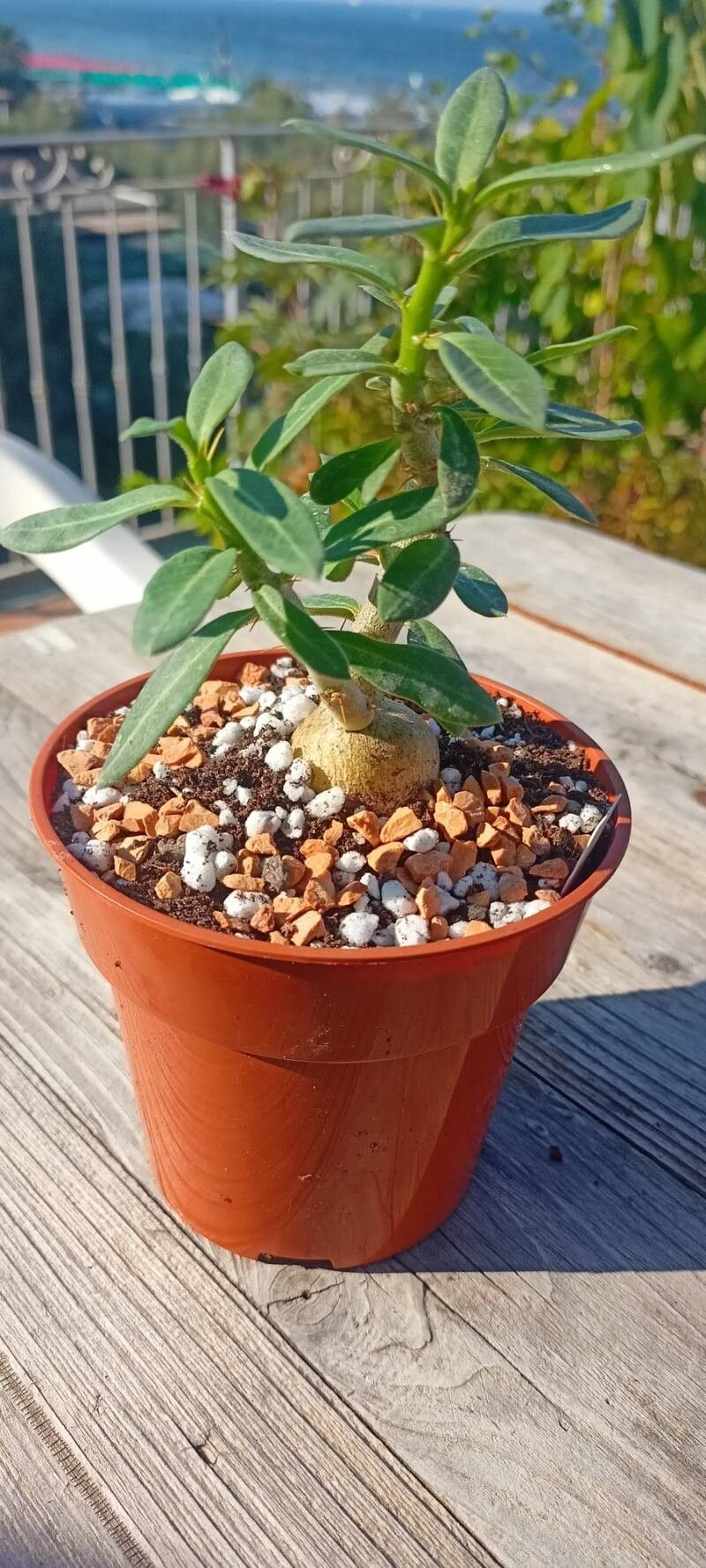
Hello, fellow plant lovers! Today, we’re diving into the wonderful world of Pachypodium bispinosum, often called the “little elephant’s foot” or “madagascar palm.” If you’ve ever seen one of these beauties, with its swollen, caudiciform base and crown of delicate flowers, you’ve likely been captivated. They have a wonderfully sculptural quality and, frankly, a touch of the exotic right in your home or garden.
Now, I know some of you might be thinking, “Is this a plant for me?” And I’m here to tell you, yes! While Pachypodiums can be a little finicky with overwatering, propagating Pachypodium bispinosum is surprisingly accessible. It’s a truly rewarding experience to watch a tiny sliver of a plant grow into a new, impressive specimen.
The Best Time to Start
Think of it like this: when is a plant happiest and most eager to grow? For Pachypodium bispinosum, the magic happens during its active growing season. This typically means spring and summer. You’ll want to propagate when the plant is full of vigor, not when it’s winding down for winter rest. Look for healthy, mature stems that have been growing well.
Supplies You’ll Need
Gathering your tools beforehand makes the whole process smooth sailing. Here’s what I usually have on hand:
- Sharp, clean pruning shears or a very sharp knife: Essential for making clean cuts that heal quickly. Sterilize them with rubbing alcohol before and after use, please!
- Rooting hormone (optional but recommended): This gives your cuttings a little boost. I prefer powdered hormones for this type of plant.
- Well-draining potting mix: This is non-negotiable for Pachypodiums. A mix of cactus/succulent soil with added perlite or pumice in equal parts works wonders. They hate soggy feet!
- Small pots or containers: Make sure they have drainage holes.
- Gravel or pebbles: For a drainage layer at the bottom of the pot or for top dressing.
- A spray bottle: For a light misting.
- Patience! Okay, that’s not a physical supply, but it’s probably the most important one.
Propagation Methods
We’ll focus on stem cuttings, as this is usually the most straightforward for Pachypodium bispinosum.
- Select Your Cutting: Choose a healthy, mature stem. It should be at least 4-6 inches long and have a few sets of leaves. You want a piece that looks vigorous and not at all leggy or weak.
- Make the Cut: Using your sterilized pruning shears or knife, make a clean cut at the base of your chosen stem. Try to get as close as possible to the main stem or caudex if you can, without damaging the parent plant.
- Allow it to Callus: This is CRUCIAL. Do NOT plant it immediately. The cut end needs to dry out and form a callus over. Place the cutting in a dry, airy spot, out of direct sunlight, for at least 3-7 days, or even longer if it’s humid. You want that cut end to look dry and sealed. This prevents rot.
- Prepare the Pot: Fill your chosen pot with your well-draining potting mix. You can add a layer of gravel at the bottom if you really want to bump up drainage, though a good mix often suffices.
- Apply Rooting Hormone (Optional): If you’re using rooting hormone, lightly dip the callused end of your cutting into the powder, tapping off any excess.
- Plant the Cutting: Make a small hole in the soil with your finger or a pencil. Insert the callused end of the cutting into the soil. Don’t bury it too deeply; just enough so it stands upright. Gently firm the soil around it.
- Initial Watering (Very Lightly): Water very sparingly around the base of the cutting. The soil should be barely moist, not wet. You are just trying to encourage initial root development, not create a swamp.
- Placement: Place the pot in a bright location with indirect sunlight. Avoid direct, harsh sun, which can scorch the new cutting.
The “Secret Sauce” (Pro Tips)
Over the years, I’ve learned a few tricks that really make a difference:
- Bottom Heat is Your Friend: If you can, place your pots on a heat mat designed for seedlings. This gentle warmth from below mimics ideal rooting conditions and significantly speeds up the process. It’s like giving your cuttings a warm hug!
- Don’t Be Afraid of Dry Spells: Seriously, less is more when it comes to watering new cuttings of Pachypodium. Let the soil dry out completely between very light waterings. I usually wait until I see the plant showing a tiny bit of shrinkage or the soil is bone dry before watering again. It’s counterintuitive, but they’d rather be a little dry than too wet.
- Air Circulation is Key: Make sure the area where your cuttings are rooting is well-ventilated. Stagnant air can encourage fungal issues. If you’re in a humid environment, a gentle fan on a low setting can be beneficial.
Aftercare & Troubleshooting
Once you start to see signs of new growth – tiny leaves unfurling or a slight plumpness returning to the stem – it’s a good indication that roots are forming!
- Gradual Watering: As roots develop, you can start watering a little more regularly, but still always allow the soil to dry out between waterings. Continue to err on the side of caution.
- Increased Light: Once the plant is clearly establishing, gradually introduce it to brighter light.
- Watch for Rot: The most common sign of failure is rot. If your cutting starts to look mushy, discolored (brown or black, not just the natural stem color), or smells foul, it’s likely rotted. Sadly, there’s usually no coming back from this. This is why preventing overwatering and ensuring good drainage is so vital from day one.
- No Roots? Don’t Despair! Sometimes it just takes a while. If you haven’t seen progress after a couple of months, check the callus. If it’s still firm and healthy, leave it be. It might just be a slow starter.
A Warm Closing
Growing new plants is such a joy, and Pachypodium bispinosum offers a unique kind of satisfaction. Be patient with your cuttings. Some will take off quickly, while others will seem to take their sweet time. Don’t get discouraged if your first attempt isn’t a runaway success. Gardening is a journey of learning and observation, and each plant teaches us something new. Enjoy the process, celebrate every new leaf, and soon you’ll have a wonderful little family of these charming succulents. Happy growing!
Resource:
https://identify.plantnet.org/k-world-flora/species/Pachypodium%20bispinosum%20(L.f.)%20A.DC./data