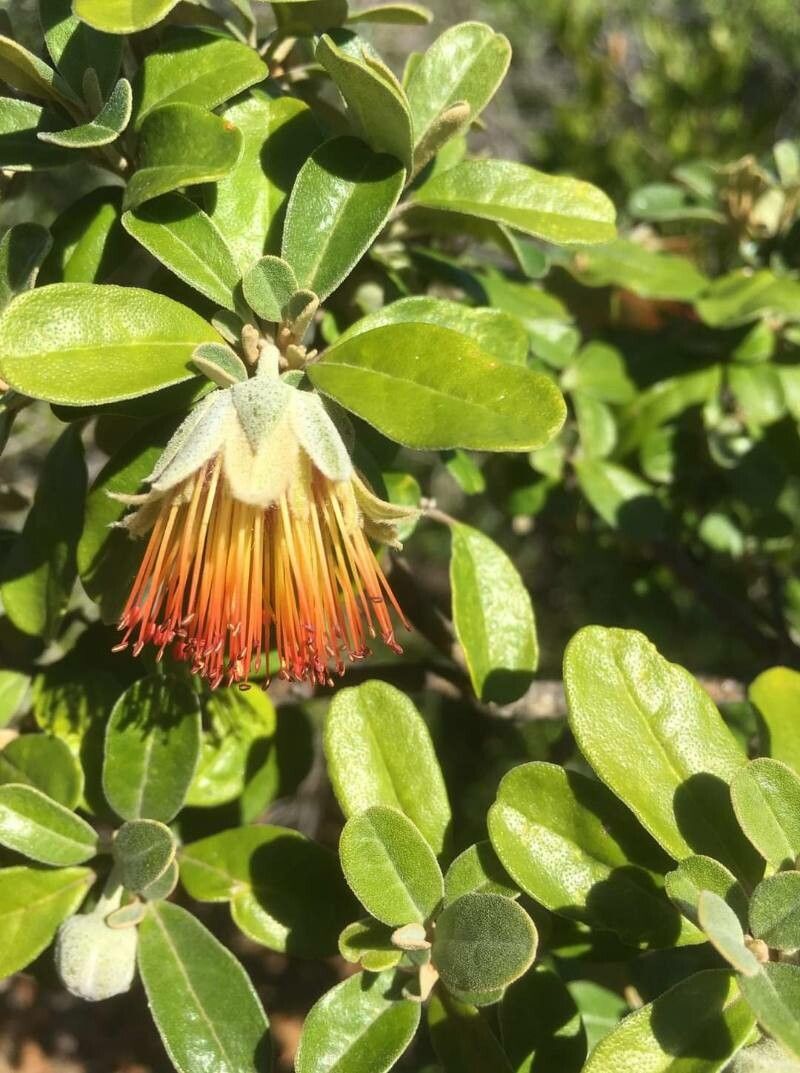
Hello there, fellow garden lovers! Today, I want to chat about a truly special Australian native that’s been gracing my garden and my heart for years: Diplolaena dampieri. You know the one – with its delicate, daisy-like flowers in shades of soft pink and apricot, and that wonderful, slightly citrusy scent when you brush against its foliage. It’s a plant that brings a touch of understated elegance to any landscape, and there’s something incredibly satisfying about being able to create more of these beauties for yourself.
Now, is Diplolaena dampieri a walk in the park for a complete novice? I’d say it’s a rewarding challenge. It’s not quite as straightforward as, say, a succulent, but with a little patience and the right approach, you can absolutely succeed. Think of it as tending to a slightly more discerning friend.
The Best Time to Start
For the highest success rate with Diplolaena dampieri, I’ve found that late spring through to early summer is your prime window. This is when the plant is actively growing and you can take cuttings from semi-hardwood stems. These are shoots that have started to toughen up a bit but still have plenty of life and energy in them. Avoid taking cuttings when the plant is stressed by extreme heat or drought, or during the deepest chill of winter.
Supplies You’ll Need
Getting prepared is half the battle, isn’t it? Here’s what I always have on hand:
- Sharp pruning shears or a clean, sharp knife: For making clean cuts.
- Rooting hormone powder or gel: This little helper really boosts your chances of success.
- Seed starting mix or a well-draining potting mix: You want something that drains like a sieve, like a blend of perlite, coarse sand, and a little bit of peat or coir.
- Small pots or seedling trays: Clean ones are a must to prevent disease.
- Plastic bags or a propagator lid: To create a humid environment.
- Watering can with a fine rose: For gentle watering.
Propagation Methods: Stem Cuttings
This is, by far, the most reliable method for me. Here’s how I do it:
- Select your parent plant: Choose a healthy, vigorous Diplolaena dampieri. Look for stems that are not too woody and not too soft and green – that semi-hardwood stage we talked about.
- Take the cutting: Using your clean secateurs or knife, take a cutting about 10-15 cm long. Make the cut just below a leaf node (where a leaf joins the stem).
- Prepare the cutting: Gently remove the lower leaves, leaving just a couple at the very top. If the leaves are large, you can even cut them in half horizontally to reduce water loss.
- Dip in rooting hormone: Dip the cut end of the stem into your rooting hormone powder or gel. Tap off any excess.
- Pot it up: Make a hole in your prepared, well-draining potting mix with a pencil or your finger. Insert the cutting into the hole, making sure the hormone-coated end is in contact with the soil. Gently firm the soil around the stem.
- Create humidity: Water the soil gently. Then, cover the pot with a plastic bag, securing it around the rim with a rubber band, or place a propagator lid over the tray. This creates a mini greenhouse effect.
- Find a good spot: Place the potted cuttings in a bright spot with indirect light. Avoid direct sun, which can scorch them.
The “Secret Sauce” (Pro Tips)
Here are a couple of things I’ve learned that make a real difference:
- Bottom Heat is Your Friend: Diplolaena dampieri absolutely loves a bit of warmth from below, especially when trying to root. If you can, place your pots on a heated propagator mat set to around 20-25°C. This encourages root development much faster than relying on ambient room temperature alone.
- Keep it Clean, Keep it Alive: This might sound obvious, but disease is the enemy of any successful propagation. Sterilise your tools between every few cuts, and use clean pots and fresh potting mix. A little bit of care upfront can save you a lot of heartbreak later.
Aftercare & Troubleshooting
Once your cuttings are potted, keep them consistently moist but not waterlogged. You’ll know they’re starting to root when you see new leaf growth or gentle resistance when you give the stem a very light tug. This can take anywhere from 4 to 8 weeks, or sometimes even longer.
The biggest problem you’re likely to encounter is rot. This happens when the cuttings sit in too much moisture and not enough air circulation. If you see a cutting turning black and mushy, it’s best to discard it and try again, perhaps checking your watering regime or ensuring better drainage. If the leaves start to look yellow and limp, it might be a sign of too much water or not enough light.
A Little Encouragement to Grow On
So there you have it! Propagating Diplolaena dampieri is a wonderful way to expand your garden and share these lovely plants with friends. Be patient with the process; nature takes its time. Enjoy the journey of watching a tiny cutting transform into a new, thriving plant. Happy gardening!
Resource:
https://identify.plantnet.org/k-world-flora/species/Diplolaena%20dampieri%20Desf./data