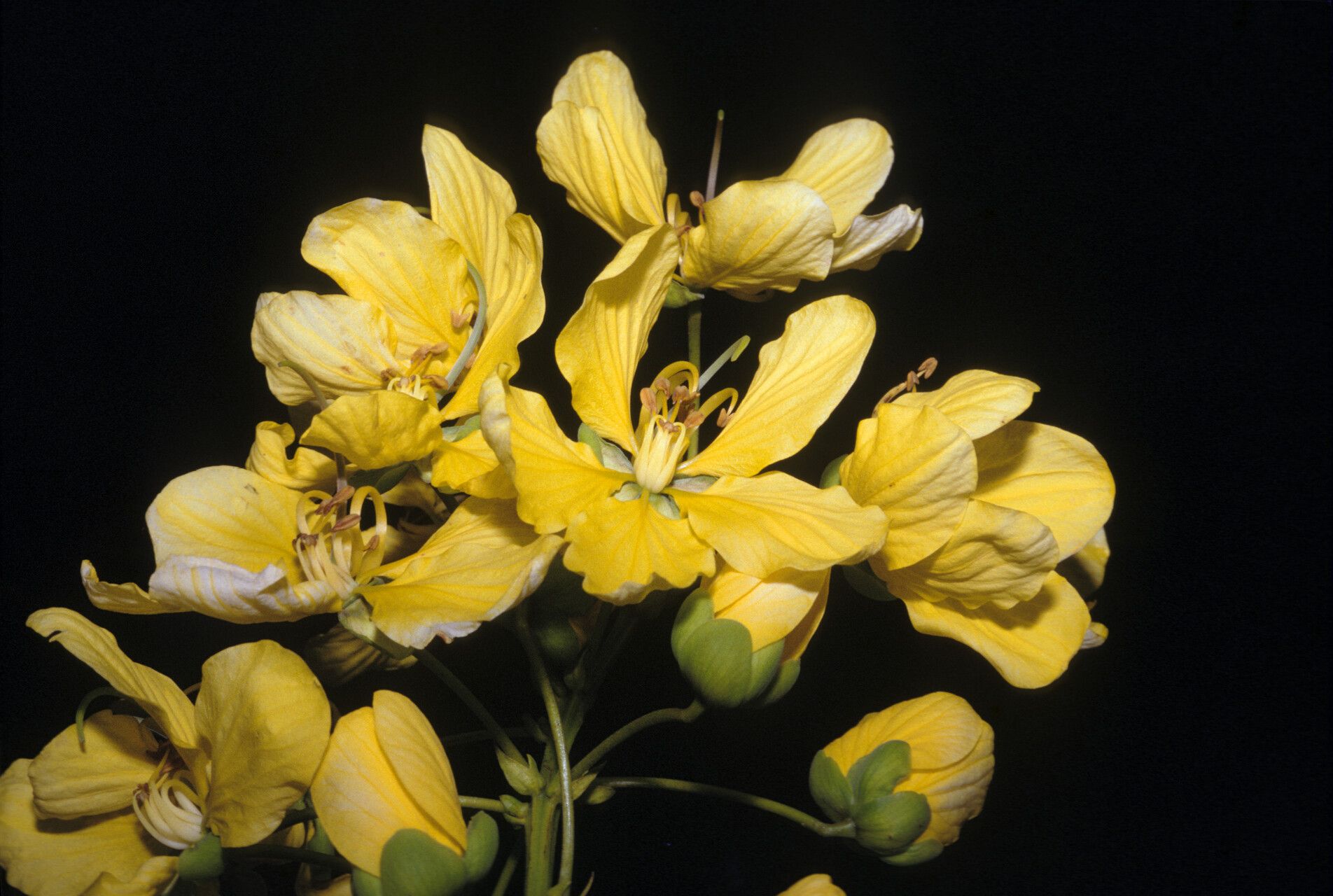
Hello, fellow plant enthusiasts! It’s so lovely to have you here. Today, I want to talk about a plant that truly brightens up any garden: the Cassia fastuosa, often called the Golden Shower tree or Pink Shower tree, depending on the variety. Its cascades of vibrant flowers are simply breathtaking, and there’s something incredibly satisfying about nurturing a new life from a tiny cutting. While it might sound a bit daunting, propagating Cassia is a surprisingly accessible project, even for those just starting their gardening journey.
The Best Time to Start
When it comes to getting the best results with Cassia, late spring to early summer is your golden window. This is when the plant is actively growing, meaning it has plenty of energy to dedicate to developing roots. Look for stems that are semi-hardwood – not brand new, floppy growth, but also not old, woody branches. They should feel firm but still have a bit of flexibility.
Supplies You’ll Need
To give your Cassia cuttings the best fighting chance, gather these essentials:
- Sharp Pruning Shears or a Clean Knife: For making clean cuts that heal easily.
- Rooting Hormone: This is a real game-changer for encouraging root development. I prefer the powder form, but liquid works too.
- Well-Draining Potting Mix: A 50/50 blend of perlite and peat moss or coco coir is excellent. You want good aeration.
- Small Pots or Trays: Clean containers, about 4-6 inches deep, with drainage holes are perfect.
- Plastic Bags or a Propagator Lid: To create a humid environment for your cuttings.
- Water Mister: For keeping the leaves hydrated.
- Optional: Bottom Heat Mat: This can significantly speed up rooting, especially if your propagation area is a bit cool.
Propagation Methods
Let’s get our hands dirty! Here are the two most reliable ways to propagate Cassia:
Stem Cuttings
This is my go-to method for Cassia.
- Take Your Cuttings: With your clean shears, select healthy stems and take cuttings that are 6-8 inches long. Make your cut just below a leaf node (where a leaf attaches to the stem). This is where roots are most likely to form.
- Prepare the Cuttings: Gently remove the lower leaves from the bottom half of the cutting. This prevents them from rotting in the soil and exposes the nodes where roots will emerge. You can leave a couple of leaves at the top to help the cutting photosynthesize.
- Apply Rooting Hormone: Dip the cut end of each stem into water, then into your rooting hormone, tapping off any excess. Aim to coat about an inch of the stem.
- Plant Your Cuttings: Fill your pots with your pre-moistened potting mix. Make a hole in the center with your finger or a pencil, and gently insert the cutting. Firm the soil around the stem.
- Create a Humid Environment: Water the soil lightly. Then, cover the pots with a clear plastic bag or place them under a propagator lid. Make sure the leaves don’t touch the plastic. You can use small stakes to prop up the bag if needed.
- Provide Light and Warmth: Place the pots in a bright spot with indirect light. If you have a bottom heat mat, now is the time to use it! Aim for a temperature around 70-75°F (21-24°C).
Water Propagation (With a Caveat!)
While Cassia can root in water, I find it’s a bit trickier and more prone to rot for this particular plant. If you do want to try it:
- Prepare Cuttings: Follow steps 1 and 2 from the stem cutting method.
- Place in Water: Submerge the bottom few inches of the cuttings in a jar or glass of clean water. Crucially, ensure no leaves are submerged.
- Change Water Regularly: Change the water every few days to keep it fresh and prevent bacteria buildup.
- Wait for Roots: You’ll see tiny white nubs appear at the nodes. Once these roots are about an inch long, it’s time to carefully transplant them into potting mix as described above. This transition can be delicate for Cassia.
The “Secret Sauce” (Pro Tips)
Here are a couple of tricks I’ve picked up over the years:
- Use Bottom Heat: I mentioned it before, but it bears repeating. A bottom heat mat is a game-changer for speeding up root formation and increasing your success rate dramatically, especially if your home tends to be on the cooler side. It mimics the warmth of spring soil.
- Mist, Mist, Mist! New cuttings have no roots to take up water. That means they’re entirely reliant on moisture from the air and their own leaves. Regularly misting the leaves helps them stay hydrated until roots develop. I usually do this a few times a day.
- A Little Shake is Good: Once you think you’ve got roots (usually after 4-6 weeks), gently tug on a cutting. If you feel resistance, congratulations! Roots have formed. Don’t be too rough, though!
Aftercare & Troubleshooting
Once your cuttings have developed a decent root system, it’s time to move them to their own homes.
- Potting Up: Carefully transplant your rooted cuttings into small pots filled with a good quality, well-draining potting mix. Water them thoroughly.
- Acclimatize: Gradually reintroduce them to normal room conditions. Keep them out of direct, harsh sunlight for the first week or two as they adjust.
- Routine Care: Water when the top inch of soil feels dry. They’ll slowly start to grow new leaves, which is a great sign!
Now, what if things aren’t going as planned?
- Rot: The most common issue is rot. If you see your cuttings turning black and mushy, it’s usually a sign of too much moisture and not enough air circulation. Make sure your soil is well-draining, and lift the plastic bag slightly to allow for some airflow.
- No Roots: Be patient! Sometimes it just takes longer. If the cutting is still firm and green after 8-10 weeks, it might just be a slow starter. If it turns yellow, limp, or brown, it’s likely not going to make it.
A Little Patience Goes a Long Way
Propagating plants is a rewarding journey, a dance with nature that teaches us patience and observation. Don’t be discouraged if you have a few failures along the way – every gardener does! Celebrate your successes, learn from your challenges, and most importantly, enjoy the process of bringing new life into your garden. Happy propagating!
Resource:
https://identify.plantnet.org/k-world-flora/species/Cassia%20fastuosa%20Willd.%20ex%20Vogel/data