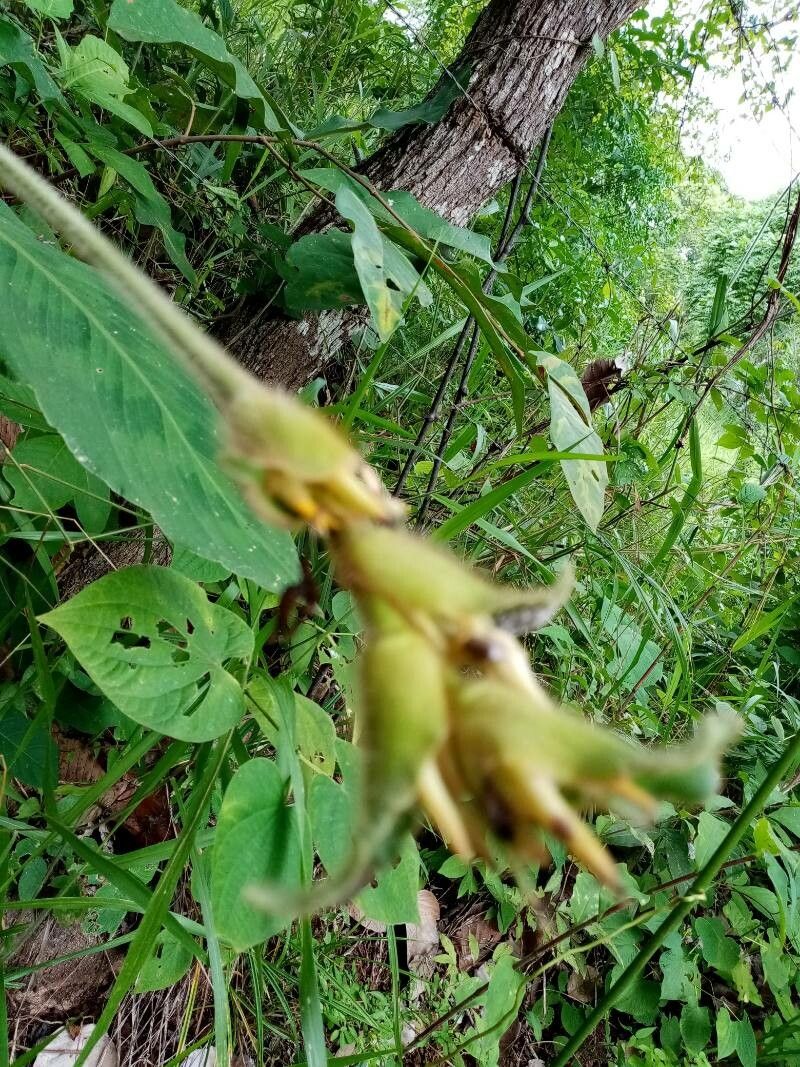
Hello fellow plant enthusiasts! Today, let’s talk about a plant that brings such lovely texture and movement to any space: Ischnosiphon leucophaeus. I’ve been growing this beauty for ages, and honestly, its elegant, upright foliage always catches my eye. It’s a bit like a tropical grass, but with a sophisticated grace all its own. Propagating it is incredibly rewarding, and you’ll be delighted to fill a corner of your home or deck with these lovely plants without breaking the bank. Are they easy for beginners? I’d say it’s a solid moderately easy undertaking. A little attention to detail goes a long way, but it’s definitely achievable!
The Best Time to Start
For Ischnosiphon leucophaeus, the absolute sweet spot for propagation is during its active growing season. Think late spring through summer. This is when the plant is putting out new growth and has the energy reserves to push out roots. Trying to propagate when it’s cooler or the plant is a bit stressed just makes life harder for everyone, including your new baby plants.
Supplies You’ll Need
Gathering your supplies beforehand makes the whole process so much smoother. Here’s what I like to have on hand:
- Sharp pruning shears or a clean knife: For making clean cuts.
- Rooting hormone (optional but recommended): A powder or gel really gives cuttings a boost.
- Well-draining potting mix: A blend of perlite, peat moss, and compost is excellent. Or, a good quality houseplant mix amended with extra perlite works well.
- Small pots or trays: With drainage holes, of course!
- Plastic bags or a propagation dome: To create a humid environment.
- Watering can with a fine rose: For gentle watering.
- Labels: To keep track of what you’ve potted!
Propagation Methods
Ischnosiphon leucophaeus is a joy to propagate primarily through division. This is my go-to method, and it’s usually the most successful.
Division
This is the most straightforward way to get more Ischnosiphon leucophaeus.
- Gently remove the parent plant from its pot. I like to do this when I’m repotting anyway, so it’s a two-for-one deal!
- Inspect the root ball. Look for natural divisions where clumps of stems are emerging from the roots. You might see sections that are already well-established with their own roots.
- Use your hands to gently pull the clumps apart. If they’re a bit stubborn, you can use a clean knife or your pruning shears to carefully cut through the roots. The key is to ensure each division has plenty of healthy roots attached.
- Pot up each division. Use your prepared potting mix in small pots. Make sure the base of the plant is at soil level.
- Water thoroughly to settle the soil.
- Place the newly potted divisions in a bright location out of direct sunlight and mist them regularly, or cover them with a plastic bag or propagation dome to maintain humidity.
While stem cuttings can work, I’ve found division to be far more reliable for this particular species. The rhizomatous nature of the plant lends itself much better to being separated.
The “Secret Sauce” (Pro Tips)
Here are a few things I’ve learned over the years that make a difference:
- When dividing, don’t be afraid to get your hands in there, but be gentle with the roots. Damaged roots take longer to recover. If a section has very few roots, it’s less likely to succeed on its own.
- Humidity is your best friend for divisions. Even though we aren’t using cuttings, a humid environment helps the divided plant settle in and start rooting faster. Misting the leaves and the surrounding air is crucial for the first few weeks.
- Avoid overwatering, especially after division. The new divisions don’t have a massive root system yet, so they can be susceptible to root rot if the soil stays soggy.
Aftercare & Troubleshooting
Once your divisions are potted, keep the soil consistently moist but not waterlogged. Bright, indirect light is ideal. High humidity will help them thrive. You should start to see new leaf growth within a few weeks to a month, which is a great sign that roots are forming!
The most common sign of trouble is wilting that doesn’t recover after watering, or yellowing leaves followed by mushy stems. This is usually a sign of overwatering and potential root rot. Ensure good drainage, and if you suspect rot, you might need to gently remove the plant, trim away any mushy roots, and repot in fresh, drier soil.
Happy Propagating!
Watching new plants emerge from something you’ve “made” yourself is such a satisfying feeling. Be patient with your Ischnosiphon leucophaeus divisions. They might take a little time to establish, but the reward of seeing them grow is well worth the wait. Enjoy the process, and happy gardening!
Resource: