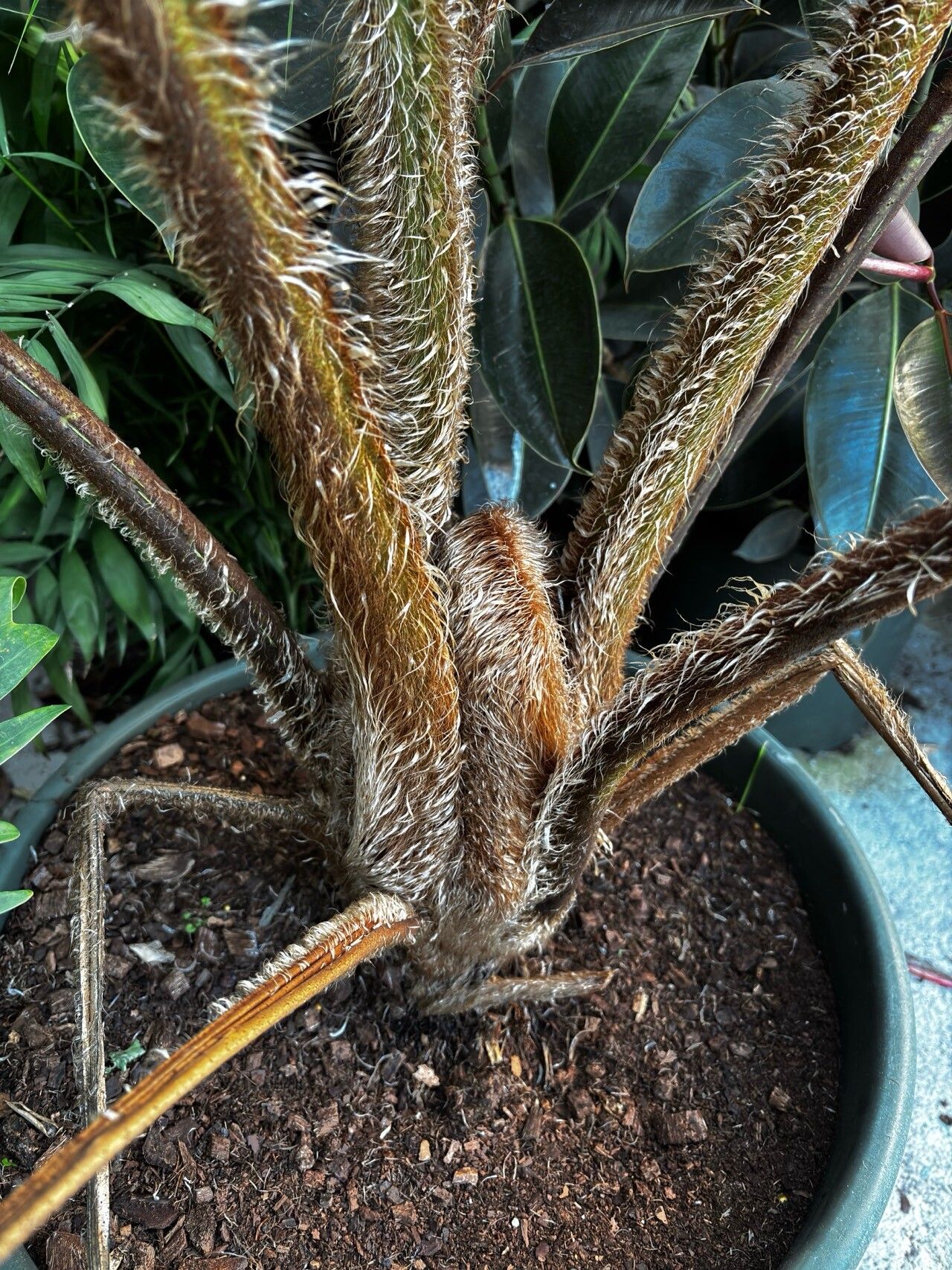
Oh, hello there! Pull up a chair. I’m so glad you’re interested in Alsophila australis, or as many of us lovingly call it, the Australian Tree Fern. There’s something truly majestic about these ferns. Picture them on a misty morning, their fronds unfurling like ancient scrolls. They bring a prehistoric elegance to any garden, and honestly, seeing a new one emerge from a tiny start is pure magic.
Now, are they a breeze for absolute beginners? Let’s just say they appreciate a bit of gentle guidance more than, say, a spider plant. But don’t let that deter you! With a little patience and knowledge, you can absolutely have success. It’s incredibly rewarding to grow your own piece of ferny paradise.
The Best Time to Start
For Alsophila australis, timing is key. I find the spring to early summer is your sweet spot. This is when the plant is bursting with energy, putting out new growth and actively storing energy. Trying to propagate too early in the spring or late in the fall can be a bit of a gamble, as the cooler temperatures can slow things down considerably. You want that warmth and longer daylight hours to give your new fernlets the best possible start.
Supplies You’ll Need
Before we get our hands dirty, let’s gather our tools. It’s always best to be prepared!
- Sharp, sterilized pruning shears or a clean knife: For making clean cuts. We don’t want any messy tears!
- A well-draining potting mix: I usually lean towards a mix of equal parts peat moss, perlite, and coarse sand. Some growers also like to add a good amount of orchid bark for aeration.
- Small pots or propagation trays: Make sure they have drainage holes.
- Clear plastic bags or a propagation dome: To create a humid environment.
- Mist bottle: For keeping things moist.
- Rooting hormone (optional but helpful): A good quality rooting powder or gel can give your cuttings a boost.
- A sunny windowsill or a bright, indirect light location: Not too harsh.
- Labeling tags and a permanent marker: Trust me, you’ll thank yourself later!
Propagation Methods
This magnificent fern is mostly propagated through division of basal offsets. You won’t typically be taking stem cuttings like you would with many other plants.
Division of Basal Offsets:
This is the most reliable and common way to propagate Alsophila australis. Think of these offsets as baby ferns growing from the base of your mature plant, or sometimes even from the sides of the trunk.
- Patience is a virtue: Wait until your main tree fern has produced a healthy basal offset. These are small, clumping ferns that emerge from the soil around the base of the trunk, or sometimes from a creeping rhizome. You’re looking for one that’s at least a few inches tall and has a few fronds.
- Gentle separation: Carefully dig around the base of the offset. You want to gently loosen the soil to expose the point where it connects to the mother plant. If you can, try to get a little bit of its own root system attached. Sometimes, with a bit of gentle wiggling and coaxing, you can pull it away. If it’s stubbornly attached, use your sterilized pruning shears or knife to make a clean cut, ensuring you don’t damage the main plant or the offset too much.
- Pruning back (optional but wise): If the offset has very large fronds, you can trim them back by about a third. This helps reduce water loss while the new fern establishes its own root system.
- Potting up: Fill your small pot with your chosen well-draining mix. Make a little nest in the center and place your offset in it. You want to bury the base of the fronds, but not the crown (where the new fronds emerge).
- Watering and humidity: Water thoroughly until it drains from the bottom. Then, gently mist the fronds. The crucial step here is to create a high-humidity environment. Cover the pot with a clear plastic bag or place it inside a propagation dome. Make sure the bag isn’t touching the fronds too much; you can use stakes to prop it up.
- Placement: Set your pot in a bright location that receives indirect sunlight. Avoid direct sun, as it can scorch the delicate new growth.
The “Secret Sauce” (Pro Tips)
Alright, here are a few little tricks I’ve learned over the years that really make a difference.
- Don’t drench, mist: When you’re trying to establish a new division, constant light misting of the fronds is more beneficial than soaking the soil. The goal is high humidity for the leaves, while keeping the roots consistently moist but not waterlogged. Overwatering at the base is a quick way to invite rot.
- The magic of bottom heat: If you can, place your pots on a seedling heat mat. This provides gentle warmth to the soil, encouraging root development without overheating the delicate fronds. It’s like giving your new fern a warm hug from below!
- Patience with the crown: The crown of your Alsophila australis is where all the magic happens – new fronds emerge from here. Never bury the crown. Keep it exposed to the air, even when potting. If you accidentally bury it, rot is a very real possibility.
Aftercare & Troubleshooting
Once you see signs of new growth, usually a tiny unfurling frond emerging from the crown, you’re on the right track! Keep the environment humid for a while longer. Gradually reduce the humidity over a few weeks by opening the plastic bag a little more each day. This helps the new fern acclimatize to drier air.
When your fern has developed a good root system and is actively producing new fronds, you can transplant it into a slightly larger pot. Continue to provide bright, indirect light and keep the soil consistently moist.
Now, what if things go wrong?
- Wilting fronds: This is usually a sign of too little humidity, too much direct sun, or the plant hasn’t established good roots yet. Increase humidity, move it to a shadier spot, and check if the soil is moist.
- Brown, crispy frond tips: Often caused by dry air or inconsistent watering. Again, humidity is your friend!
- Rotting at the base or crown: This is the most serious issue and is almost always due to overwatering and poor drainage. If you see slime or a foul smell, it’s likely rot. Unfortunately, this is often hard to recover from. Prevention is truly key here. Ensure your potting mix is free-draining and you’re not keeping the soil consistently waterlogged.
Encouraging Closing
Growing an Alsophila australis from an offset is a wonderful journey. It requires a bit of observation and a gentle hand, but the rewards are immense. Don’t be discouraged if your first attempt isn’t perfect. Every gardener has had their share of wilting leaves and brown tips! The most important thing is to learn from each experience. Enjoy the process, and soon you’ll have your own majestic tree fern to admire. Happy gardening!
Resource:
https://identify.plantnet.org/k-world-flora/species/Alsophila%20australis%20R.Br./data