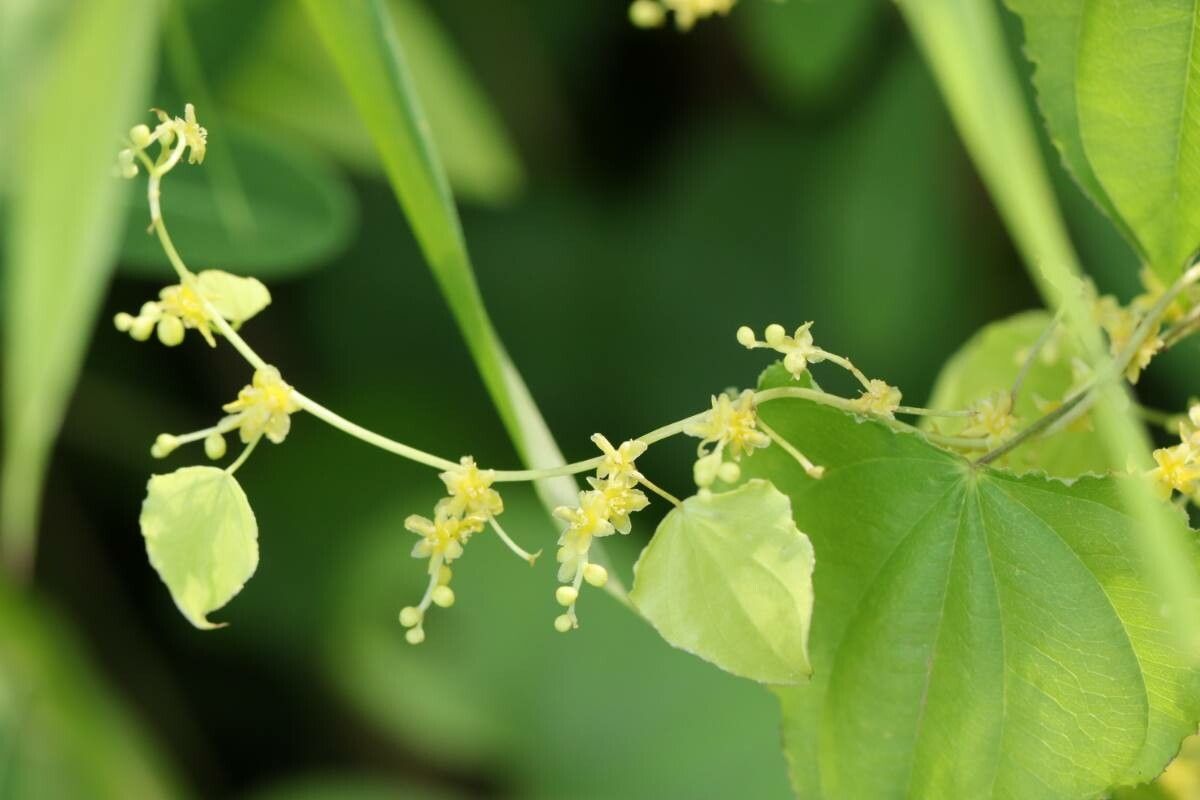
Hey there, fellow plant enthusiasts! Today, we’re diving into the delightful world of Dioscorea gracillima, often affectionately called the “cinnamon vine” for its beautiful, twining stems and delicate foliage. Now, if you’re looking for a plant that adds a touch of wild elegance to your garden or indoor space, this is it. And the best part? Learning to propagate it is a truly rewarding journey. It’s not exactly a beginner’s “set it and forget it” plant, but with a little patience and a touch of know-how, you’ll be well on your way to multiplying your cinnamon vine collection.
The Best Time to Start
For Dioscorea gracillima, the absolute sweet spot for propagation is during its active growing season. Think late spring through summer. This is when the plant is full of vigor and has the energy reserves to push out new roots. Starting with healthy, vigorous stems or divisions from a plant that’s been thriving will give you the best chance of success. Avoid trying to propagate when the plant is dormant or stressed.
Supplies You’ll Need
Gathering your tools beforehand always makes the process smoother. Here’s what I usually have on hand:
- Sharp Pruning Shears or a Clean Knife: For taking clean cuts.
- Well-Draining Potting Mix: A good blend is about 50% potting soil and 50% perlite or coarse sand. You can also use a dedicated cuttings mix.
- Small Pots or Seed Trays: Whatever suits your propagation method. Make sure they have drainage holes!
- Rooting Hormone (Optional but Recommended): This can give your cuttings a helpful boost.
- Spray Bottle: For gentle misting.
- Clear Plastic Bag or Dome: To create a humid environment for cuttings.
- Labels and a Marker: You’ll want to remember what’s what!
Propagation Methods
There are a few reliable ways to get more Dioscorea gracillima. I find these two to be the most successful for this particular vine:
1. Stem Cuttings
This is a fantastic way to multiply your plants.
- Take Your Cuttings: In late spring or early summer, select healthy, non-flowering stems. Look for stems that are at least 6-8 inches long. Using your clean shears, make a cut just below a leaf node (the bump where a leaf attaches to the stem). You want to aim for cuttings with at least two or three leaf nodes.
- Prepare the Cuttings: Gently remove the leaves from the bottom node. If the remaining leaves are very large, you can cut them in half to reduce water loss.
- Apply Rooting Hormone (Optional): Dip the cut end of the stem into rooting hormone, tapping off any excess.
- Plant the Cuttings: Fill your small pots with your well-draining mix. Make a small hole with a pencil or your finger and insert the cut end of the stem about an inch deep. Gently firm the soil around it.
- Create Humidity: Water the soil lightly until it’s evenly moist. Then, cover the pot with a clear plastic bag (propped up so it doesn’t touch the leaves) or place it in a propagator with a lid. This creates a mini-greenhouse effect.
- Provide Light and Warmth: Place the pots in a bright spot with indirect light. Warmth helps too; a seedling heat mat can be very beneficial.
2. Division
If you have an established Dioscorea gracillima that’s looking a bit crowded or you just want to split it, division is straightforward.
- Remove from Pot (or Gently Excavate): If it’s in a pot, gently take the plant out. If it’s in the ground, carefully dig around the root ball to loosen it.
- Inspect the Roots: You’ll often see thick, tuberous roots with new shoots emerging.
- Divide the Plant: Using your hands or a clean, sharp knife, gently separate the root ball into sections. Each section should have at least one healthy root and a viable shoot or bud.
- Pot Up: Replant each division into its own pot filled with your well-draining potting mix. Make sure the top of the tuber is just at or slightly below the soil surface.
- Water and Place: Water gently and place in a location with bright, indirect light.
The “Secret Sauce” (Pro Tips)
Here are a couple of things I’ve learned over the years that make a real difference with these vines:
- Don’t Drown Your Cuttings: While you want to keep the soil consistently moist, avoid waterlogged conditions. Soggy soil is the fast track to rot. Let the top layer of soil dry out slightly between waterings.
- Bottom Heat is Your Friend: For stem cuttings, especially, providing gentle bottom heat from a seedling mat can significantly speed up root development. It mimics the warmth of spring soil and really encourages those roots to form.
- Patience, Patience, Patience: Dioscorea gracillima can be a bit of a slow starter when it comes to forming new roots. Don’t be discouraged if you don’t see new growth immediately. Give it at least 4-6 weeks before you start to worry too much.
Aftercare & Troubleshooting
Once you start to see signs of new growth – little leaves unfurling or the cutting showing resistance when gently tugged – it means roots have formed!
- Gradually Acclimate: If your cuttings were under a cover, slowly introduce them to less humid conditions. Remove the cover for short periods at first, gradually increasing the time until it’s fully off.
- Watering: Continue to water when the top inch of soil feels dry.
- Fertilizing: Once your new plant is established and growing well, you can begin to feed it with a balanced liquid fertilizer at half strength every 4-6 weeks during the growing season.
The most common issue you’ll encounter is rot. This usually happens from overwatering or poor drainage. If you notice your cutting turning mushy, black, or developing mold, unfortunately, it’s likely a goner. Remove it immediately to prevent it from spreading to other cuttings. If you’re dividing, make sure your cuts are clean to minimize any chance of rot setting in on the wound.
A Encouraging Closing
Propagating Dioscorea gracillima is a wonderful way to connect with your plants and share their beauty. Don’t be afraid to experiment! Each plant has its own personality, and sometimes success comes from trying again. Enjoy the process, celebrate each tiny new leaf, and before you know it, you’ll have a whole family of these lovely vines. Happy growing!
Resource:
https://identify.plantnet.org/k-world-flora/species/Dioscorea%20gracillima%20Miq./data