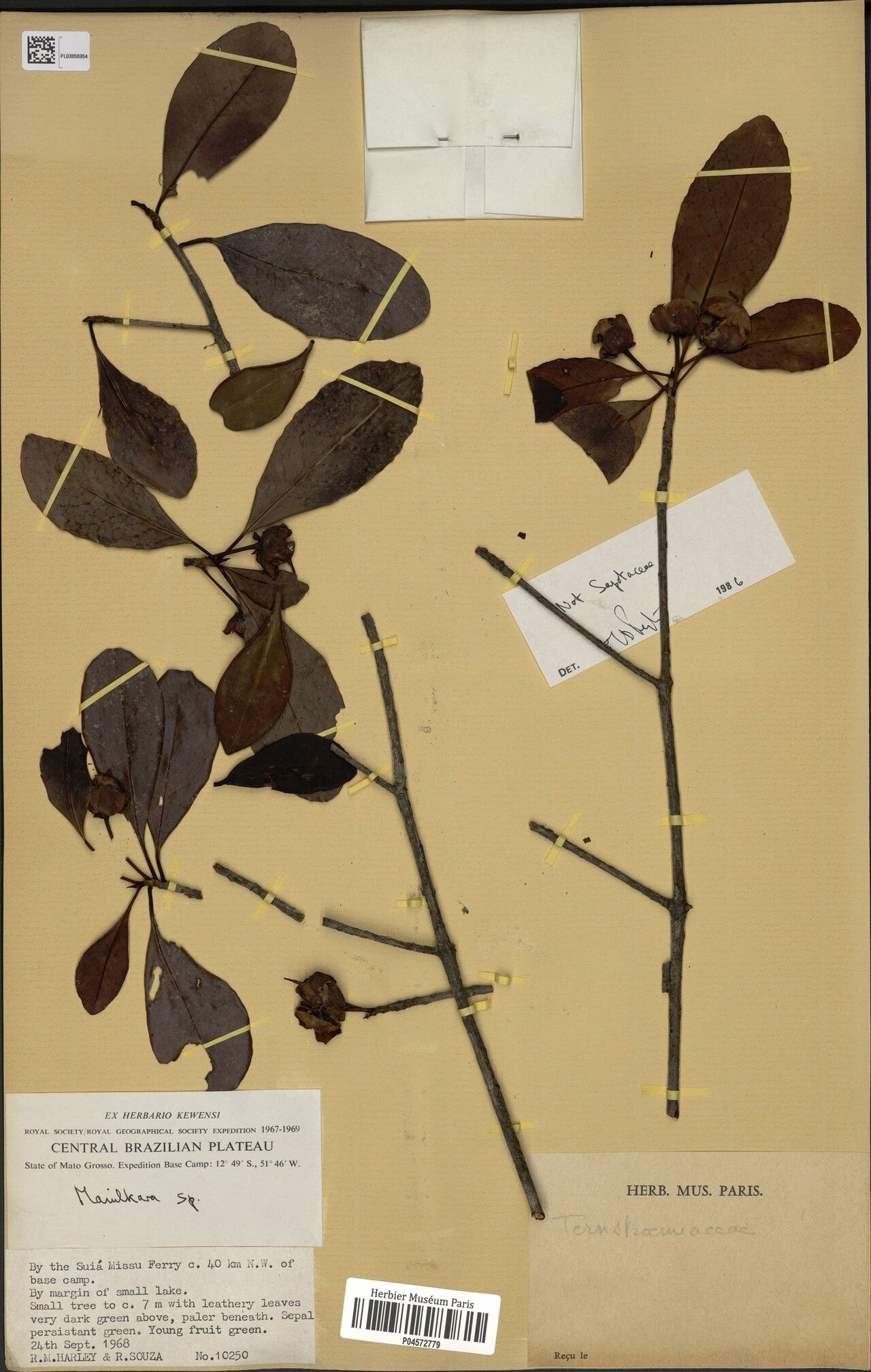
Hello there, fellow plant enthusiasts! Today, we’re diving into the delightful world of Ternstroemia candolleana. You know, that gorgeous evergreen with its glossy, leathery leaves and delicate, bell-shaped flowers. It’s the kind of plant that adds a touch of understated elegance to any garden or conservatory, and honestly, seeing one thrive always brings a smile to my face.
Now, if you’ve ever admired this beauty and thought, “I wish I had more of these!”, then you’re in the right place. Propagating Ternstroemia candolleana is a truly rewarding experience. It’s not a super challenging plant to multiply, but like any gardening venture, a little know-how goes a long way. It’s definitely an achievable project for the slightly ambitious beginner, or a lovely addition to the repertoire of any seasoned gardener.
The Best Time to Start
For Ternstroemia candolleana, the absolute sweet spot for propagation is late spring to early summer. This is when the plant is actively growing, and the new shoots are supple and full of life. Taking cuttings during this period gives them the best chance to root quickly and successfully. Avoid trying this when the plant is dormant or under stress from extreme temperatures.
Supplies You’ll Need
Gathering your tools beforehand makes the whole process much smoother. Here’s what I recommend having on hand:
- Sharp, clean pruning shears or a sharp knife: We need clean cuts to prevent disease.
- Rooting hormone powder or gel: This isn’t strictly mandatory, but it significantly boosts the success rate.
- Small pots or trays: Clean ones are key!
- Well-draining potting mix: A good base is crucial. I usually mix about 50% perlite with 50% good quality potting soil, or use a specific seed-starting mix.
- Plastic bags or a clear propagation dome: To create a humid environment.
- Watering can with a fine rose: Gentle watering is important.
Propagation Methods
While there are a few ways to go about it, I find stem cuttings to be the most reliable and straightforward method for Ternstroemia candolleana.
- Select Your Cuttings: Look for healthy, non-flowering, semi-hardwood stems. These are usually stems that have grown this year but have started to firm up a bit – not too bendy and green, but not woody and stiff either. Aim for cuttings about 4-6 inches long.
- Make the Cut: Using your clean shears or knife, take your cuttings. Make a clean cut just below a leaf node (where a leaf attaches to the stem). This node is where the magic of root development happens.
- Prepare the Cuttings: Gently remove the leaves from the bottom half of the cutting. You want to leave just a few leaves at the top to keep the plant photosynthesizing. If the remaining leaves are very large, I sometimes cut them in half horizontally to reduce water loss.
- Apply Rooting Hormone: Dip the cut end of each cutting into your rooting hormone. Tap off any excess. This step really encourages those roots to form.
- Pot Them Up: Fill your small pots or trays with your prepared potting mix. Make a small hole in the center with your finger or a pencil.
- Insert the Cuttings: Gently place the prepared cuttings into the holes, ensuring the root hormone stays on the cut end. Firm the soil gently around the base of the cutting. Aim for 2-3 cuttings per pot to increase your chances.
- Water and Cover: Water the soil thoroughly, but gently. Then, cover the pots with a plastic bag (a ziplock bag works well, just puff some air into it first) or place them under a propagation dome. This creates that essential humid microclimate.
The “Secret Sauce” (Pro Tips)
There are a few little tricks that have served me well over the years that I’m happy to share!
- Don’t let your cuttings touch the water directly if you were to try water propagation. While some plants root easily in water, Ternstroemia candolleana generally prefers a soil medium. If you’re tempted to try water, make sure only the cut end is submerged, and change the water frequently to prevent rot. For stem cuttings, the goal is to avoid excess moisture at the foliage level.
- Bottom heat is your friend! Placing your pots on a gentle heated propagator mat can dramatically speed up the rooting process. It encourages the roots to develop from the bottom up. Just make sure the heat isn’t too intense – think warm, not hot.
- Consider a layer of fine grit on top. Before you pot up your cuttings, I sometimes add a thin layer of horticultural grit or coarse sand on top of my potting mix. This helps to prevent damping off (a fungal disease that can rot cuttings at the soil line), and it also helps to keep the base of the cutting from staying waterlogged.
Aftercare & Troubleshooting
Once your cuttings are potted, find a bright spot with indirect light. Avoid direct sun, as it can scorch those delicate new leaves. Keep the soil consistently moist but not soggy. The humidity tent is your cue to check – if the inside of the bag is constantly dripping heavily, open it up for a bit to allow some air circulation.
Signs of success are usually new leaf growth appearing, and gently tugging on the cutting should reveal some resistance, indicating root development. This can take anywhere from 4 to 8 weeks, or even longer. Be patient!
Troubleshooting? The most common issue is rot. If your cutting turns black and mushy, it’s likely succumbed to rot. This is usually due to overwatering, poor drainage, or insufficient air circulation. If you see this, sadly, it’s best to discard the affected cutting and start again, ensuring your soil mix is well-draining and you’re not overwatering.
A Encouraging Closing
Propagating Ternstroemia candolleana is more than just making new plants; it’s an act of nurture and a deeper connection with the gardening world. Enjoy the process, learn from any hiccups, and celebrate every tiny sign of success. Happy propagating, and may your garden be filled with plenty of these lovely evergreens!
Resource:
https://identify.plantnet.org/k-world-flora/species/Ternstroemia%20candolleana%20Wawra/data