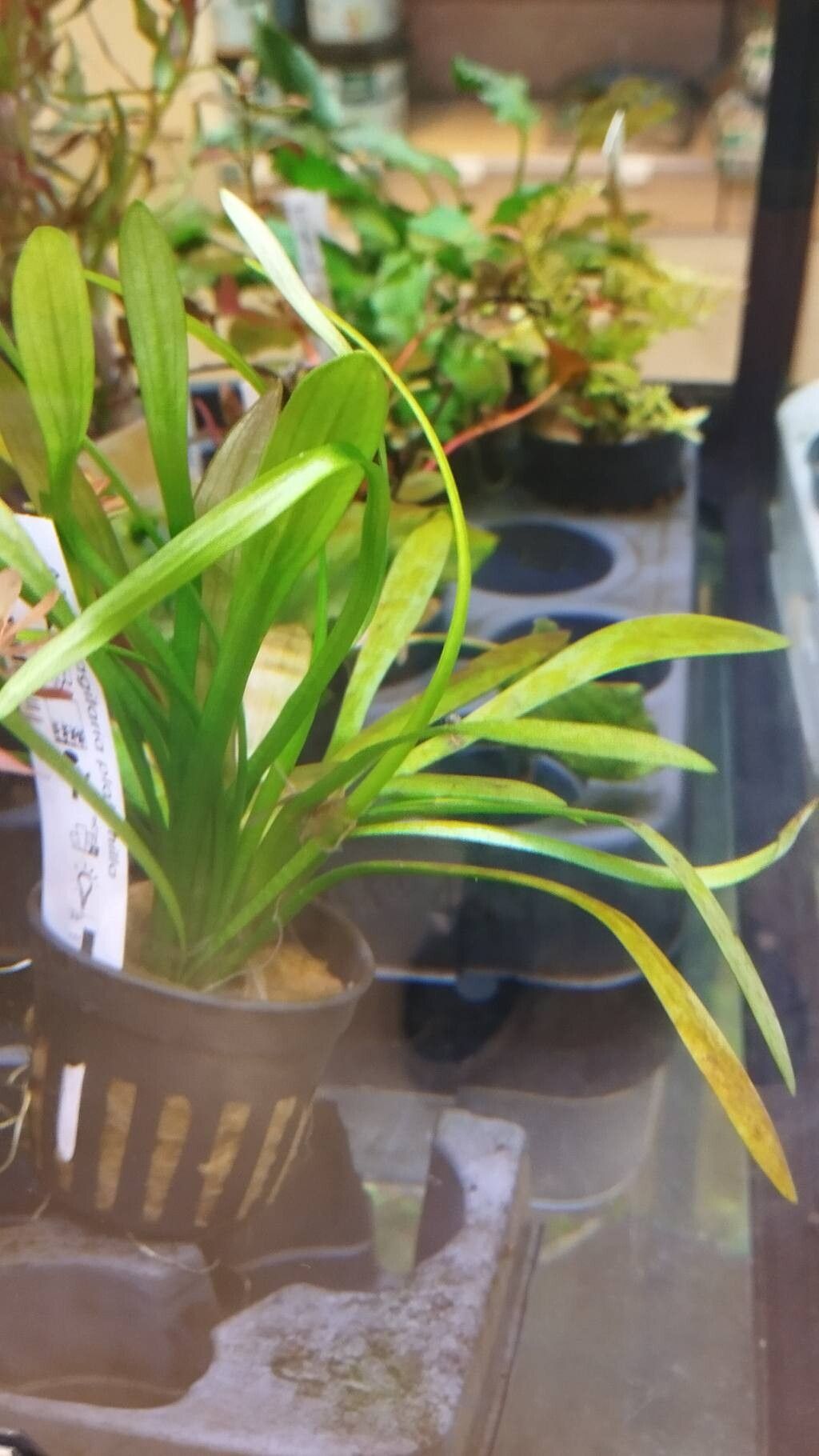
Oh, Sagittaria subulata! What a fantastic little plant for any aquatic or bog garden. Its grassy, submerged leaves bring such a lovely, natural feel to the waterscape. And the best part? It’s surprisingly easy to multiply! Sharing this beauty with friends or simply expanding your own thriving patch is incredibly rewarding. For beginners, I’d say Sagittaria subulata is quite forgiving – a great plant to get your propagation feet wet with.
The Best Time to Start
When is your Sagittaria subulata happiest and most ready to make more of itself? For this plant, I always find the spring and early summer to be the prime time. This is when the plant is in its active growth phase, meaning it has plenty of energy to put into developing new roots and shoots. You’ll notice it’s really taking off, producing runners, and that’s your cue!
Supplies You’ll Need
Don’t worry, you won’t need much for this. Most of what you need is probably already in your gardening kit.
- Sharp scissors or pruning shears: Clean cuts are key.
- Small pots or containers: Even yogurt cups with drainage holes poked in will do!
- Appropriate substrate: This could be aquatic plant substrate, a mix of sand and gravel, or even just pond mud if you’re feeling brave. A light potting mix works for emersed (out of water) babies.
- Water: Clean dechlorinated water is best.
- (Optional) Rooting hormone: While Sagittaria is pretty good at rooting on its own, a little encouragement never hurts.
Propagation Methods
Sagittaria subulata is a master of self-propagation, primarily through runners.
Method 1: Runner Division
This is the most straightforward and my absolute favorite way to propagate Sagittaria subulata.
- Look for runners: Inspect your established Sagittaria. You’ll see slender, thread-like stems (runners) extending from the mother plant. These runners will often have tiny plantlets forming at their tips.
- Gently detach: Once a plantlet has a few leaves and looks like a miniature version of the parent, it’s ready. Using your sharp scissors, carefully cut the runner about an inch or two away from the plantlet.
- Immediate planting: You can do this right in your pond or aquatic display. Simply bury the base of the plantlet in your substrate. If you’re starting them in pots first, plant the base in your chosen substrate mixture.
- Keep it aquatic: Ensure the plantlet is submerged in water. The young leaves might float, and that’s perfectly fine.
Method 2: Division of Clumps
If your Sagittaria has formed a dense clump, you can divide it.
- Carefully lift: If it’s in a pot, simply lift the entire root ball. If it’s directly in a pond, you might need to gently dig around the base.
- Separate the rhizomes: Look for the thick, fleshy underground stems (rhizomes) that connect the individual plants. You can often gently pull them apart by hand. If they’re stubborn, use your scissors to make clean cuts between them.
- Ensure each division has roots: Make sure each piece you separate has some roots attached.
- Replant: Replant these divisions as you would the runner plantlets, ensuring the base is in the substrate and submerged.
The “Secret Sauce” (Pro Tips)
Here are a few little tricks I’ve picked up over the years:
- Don’t overcrowd: When you’re planting your new baby Sagittaria, give them a little space. They might look tiny now, but they’ll spread! Overcrowding can lead to competition and weaker growth.
- Submerged is best for runners: While Sagittaria can grow emersed (out of water), its runners and plantlets develop best when fully submerged. If you pull them out of the water too early, they might struggle.
- Patience with substrate: If you’re planting directly into pond mud or a coarser aquatic substrate, remember it takes a little time for roots to establish. Resist the urge to dig them up and check! Trust the process.
Aftercare & Troubleshooting
Once your little Sagittaria has settled in, it’s pretty hands-off.
- Water quality: Keep your water clean. If you notice excessive algae, it can sometimes smother delicate new plants.
- Light: Sagittaria subulata generally prefers moderate to bright light. If it’s too dim, it might stretch and become leggy.
- Watch for rot: The main thing to watch for is rot. This usually happens if the plant isn’t getting enough light, or if the water is stagnant and dirty. Slimy, mushy stems are a sure sign. If you see this, remove the affected part immediately. Sometimes, the whole plantlet might fail, and that’s okay! Just try again.
Don’t be discouraged if a few don’t make it. Gardening, like life, is about trial and error. The joy is in the process and the reward of seeing your underwater garden flourish. So grab those scissors, get your hands a little muddy (or wet!), and enjoy growing more of this beautiful plant!
Resource:
https://identify.plantnet.org/k-world-flora/species/Sagittaria%20subulata%20(L.)%20Buchenau/data