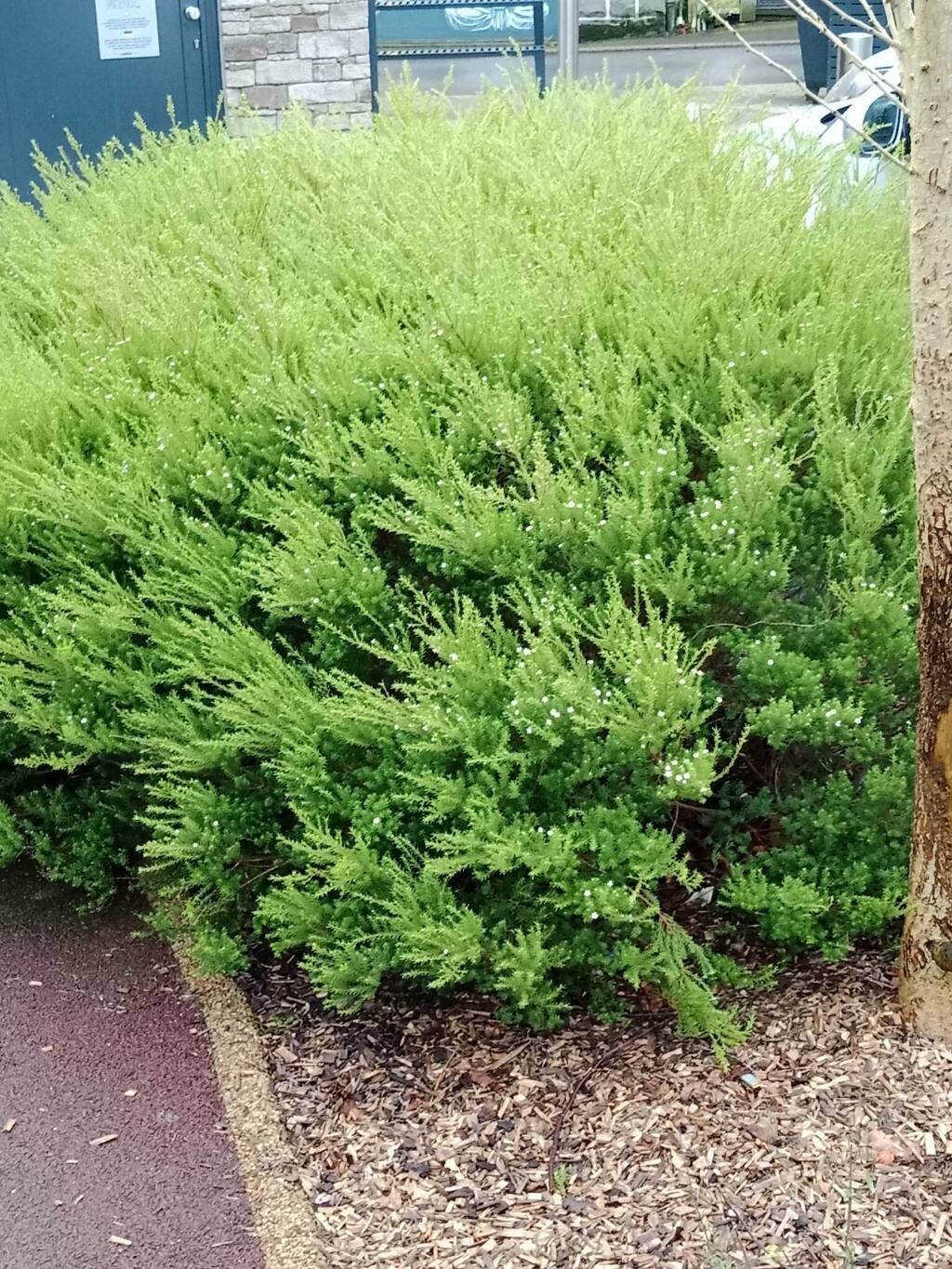
Hello fellow plant lovers! I’m so glad you’ve stopped by my little corner of the internet. Today, we’re diving into the wonderful world of Diosma hirsuta, a plant that brings such delicate beauty and a lovely fragrance to any garden. I’ve been coaxing these little beauties to grow from cuttings for years, and let me tell you, it’s a truly rewarding experience. Seeing a tiny wispy bit of stem transform into a thriving plant is just magical. Now, for the good news: while it requires a little care, Diosma hirsuta is quite forgiving and a fantastic project for beginners!
The Best Time to Start
My experience has taught me that the sweet spot for taking cuttings from Diosma hirsuta is typically in late spring to early summer, right after the main flush of flowering has passed. This is when the plant is actively growing, which means those young, semi-hardwood stems have the energy they need to root successfully. Trying to take cuttings when the plant is dormant or stressed simply won’t give you the results you’re hoping for.
Supplies You’ll Need
Gathering your tools beforehand makes the whole process smooth sailing. Here’s what I always have on hand:
- Sharp, clean pruning shears or a sharp knife: You want a clean cut to prevent damage and disease.
- Small pots or seed trays: Make sure they have drainage holes!
- A good propagating mix: I like a blend of 50% peat moss or coco coir and 50% perlite or coarse sand. This ensures excellent drainage.
- Rooting hormone (optional but recommended): A stimulating powder or gel really gives your cuttings a boost.
- A plastic bag or propagator: To create a humid environment for your cuttings.
- A spray bottle: For misting.
- Labels and a permanent marker: So you don’t forget what’s what!
Propagation Methods: Stem Cuttings
This is my go-to method, and it works like a charm for Diosma.
- Select Healthy Stems: Look for healthy, current-season growth. You want stems that are flexible but not too soft and floppy. Aim for pieces that are about 4-6 inches long.
- Make Your Cuttings: Using your clean shears, make a clean cut just below a leaf node. This is a point where leaves emerge from the stem, and it’s where roots are most likely to form.
- Prepare the Cuttings: Gently remove the lower leaves from the bottom half of each cutting. This prevents them from rotting once planted. If you’re using rooting hormone, dip the cut end into the hormone, tapping off any excess.
- Plant Your Cuttings: Fill your pots with your propagating mix. Make a small hole in the center of each pot with a pencil or your finger. Insert the prepared cuttings into the holes, ensuring the leaf nodes are buried. Gently firm the soil around them.
- Create a Humid Environment: Water the soil lightly until it’s just moist. Cover the pots with a plastic bag or place them inside a propagator. This traps moisture and creates the humid microclimate these cuttings crave.
The “Secret Sauce” (Pro Tips)
Here are a few little tricks I’ve learned over the years that really seem to make a difference:
- Don’t let the leaves touch the water: This sounds simple, but it’s crucial, especially if you ever try water propagation. Any leaves submerged will rot and can take the whole cutting down with them. Keep those leaves up and out!
- Bottom heat is your friend: If you can, place your pots on a heated propagator mat. A little warmth from below encourages root development much faster. My seedlings practically sing when they feel that gentle heat!
- Think about air circulation: While humidity is key, you don’t want stagnant, wet air. Every few days, lift the plastic bag or open the propagator for about 15-30 minutes to allow for some air exchange. This helps prevent fungal issues.
Aftercare & Troubleshooting
Once your cuttings are happily nestled in their pots, patience is your best friend! Keep the soil consistently moist but not waterlogged, and ensure they are in a bright spot, but out of direct, harsh sunlight (the plastic cover will shade them nicely initially).
You’ll know your cuttings are rooting when you see new leaf growth appearing. This can take anywhere from 4 to 10 weeks, so don’t fret if it takes a while.
The most common issue you’ll face is rot. If you see your cuttings turning black and mushy, it’s usually a sign of too much moisture and not enough air circulation. Don’t be discouraged – just clean up anything rotten and try again, perhaps with a slightly drier mix or more frequent airing.
A Little Patience, A Lot of Reward
Propagating plants can sometimes feel like a waiting game, but every little success is a victory. Keep an eye on your Diosma cuttings, offer them the right conditions, and trust in their ability to grow. Soon, you’ll have a beautiful new Diosma to enjoy, and perhaps even a few to share with other gardening friends. Happy propagating!
Resource:
https://identify.plantnet.org/k-world-flora/species/Diosma%20hirsuta%20L./data