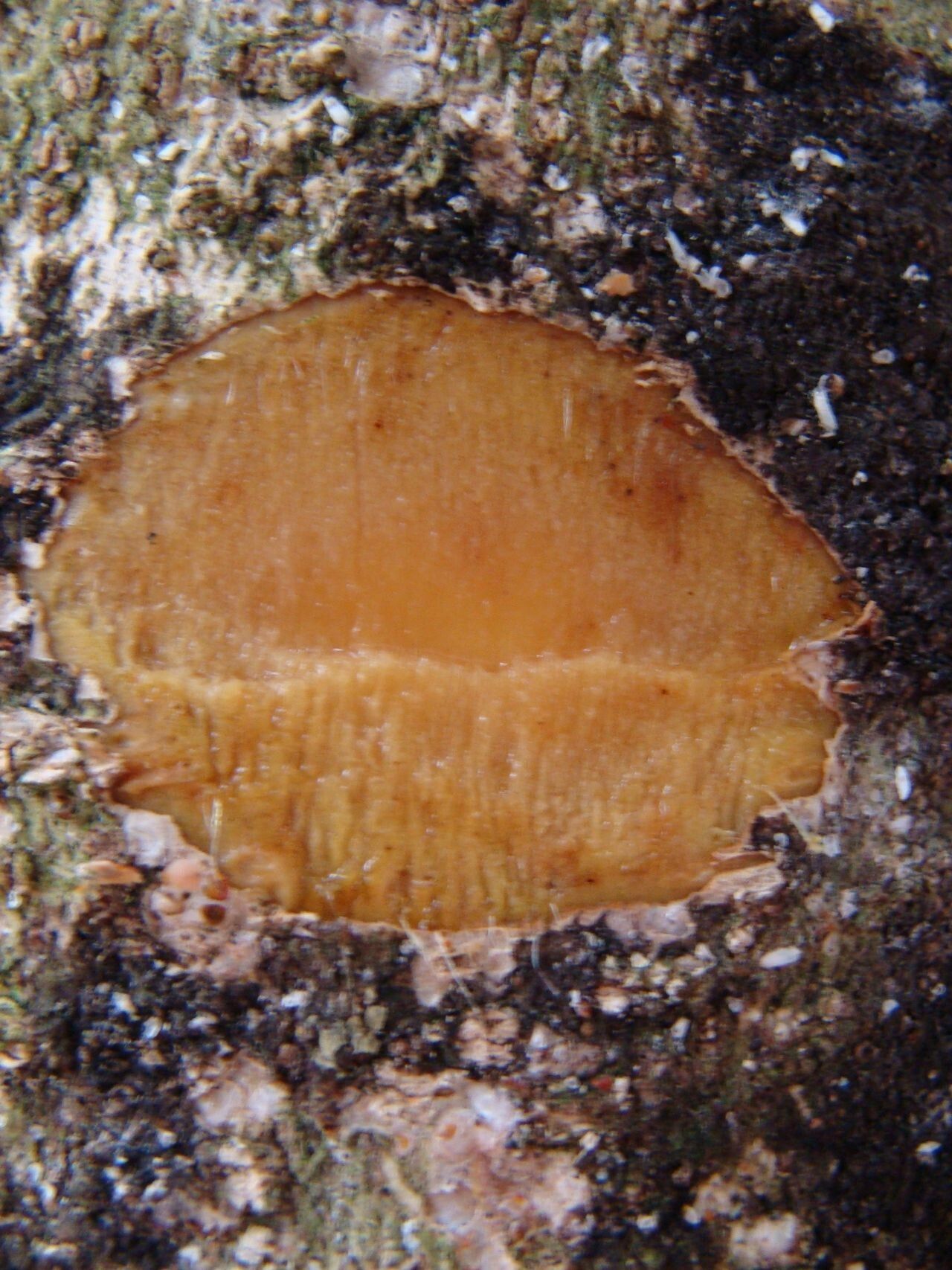
Oh, hello there! Pull up a chair and let’s chat about one of my absolute favorites: Homalanthus repandus. I’ve spent many happy years coaxing these beauties into existence, and I’m so excited to share how you can do the same. If you’re drawn to its lush, textured foliage and the way it brightens up any shady corner, you’re in for a treat. Propagating it yourself is incredibly rewarding, and while it has a little personality, I’d say it’s a moderately easy plant to get started with if you follow a few key steps.
The Best Time to Start
When I’m looking to multiply my Homalanthus repandus collection, I always aim for the late spring to early summer. This is when the plant is actively growing, usually after it’s had a good burst of energy from the warming weather. You’ll find the stems are pliant and full of life, which makes them much more receptive to taking root. Trying to propagate when the plant is dormant or stressed just doesn’t yield the same delightful results. Look for new, healthy growth – that’s your golden ticket!
Supplies You’ll Need
Before we get our hands dirty, let’s gather our tools. Having everything ready makes the process so much smoother.
- Sharp Pruning Shears or a Clean Knife: We want clean cuts to minimize damage and disease.
- A Well-Draining Potting Mix: I like a blend of regular potting soil with perlite or coarse sand to ensure good aeration. About a 2:1 ratio works wonderfully.
- Small Pots or Trays: Clean containers are a must. Yogurt cups with drainage holes work in a pinch!
- Rooting Hormone (Optional but Recommended): This gives your cuttings a helpful boost. Look for one with IBA.
- Plastic Bags or a Clear Dome: To create a humid environment around your cuttings.
- Water: For a quick dip and good hydration.
- Labels and a Pen: To keep track of what you’ve planted and when.
Propagation Methods
I’ve found that stem cuttings are my go-to method for Homalanthus repandus. It’s reliable and you can get multiple plants from just one parent.
- Select Your Cuttings: Find a healthy stem and identify a section that’s about 4-6 inches long. Look for a stem that has both a bit of firm, woody growth at the base and some softer, new growth at the tip. This mix of maturity is ideal.
- Make the Cut: Using your sharp shears or knife, make a clean cut just below a leaf node (where a leaf attaches to the stem). This is where the magic of root development tends to happen.
- Prepare the Cutting: Gently remove the lower leaves from the cutting, leaving about two to three sets of leaves at the top. You can also trim any very large leaves in half horizontally; this reduces water loss while still allowing for photosynthesis.
- Apply Rooting Hormone: If you’re using it, dip the cut end of the stem into the rooting hormone powder or gel. Tap off any excess.
- Plant Your Cuttings: Fill your small pots with your prepared potting mix, moisten it slightly, and then make a small hole in the center with your finger or a pencil. Carefully insert the cut end of your Homalanthus repandus cutting into the hole, ensuring the leaf nodes are below the soil surface. Gently firm the soil around the stem.
- Create Humidity: Water the soil lightly again. Then, cover the pot with a clear plastic bag, cinching it around the rim, or place a clear plastic dome over it. This traps moisture and creates a mini-greenhouse effect for your cuttings.
The “Secret Sauce” (Pro Tips)
Now, for a couple of little tricks that have served me well over the years.
- Don’t Let the Leaves Touch the Water (if using water propagation): While I primarily use soil, some folks like to start cuttings in water. If you do, make sure no leaves are submerged. Any foliage sitting in the water will rot and can kill your cutting before roots even have a chance to form.
- Bottom Heat is Your Friend: If you have a heated propagator or can place your pots on a gentle heat mat, do it! Consistent warmth from below really encourages root formation and significantly speeds up the process. It’s like giving your cuttings a cozy, encouraging blanket.
- Patience with the Pseudobulbs: While Homalanthus repandus doesn’t form true pseudobulbs, you’ll notice a slight swelling at the base of the stem as roots begin to form. This is a subtle sign, so don’t get discouraged if you don’t see dramatic swelling immediately.
Aftercare & Troubleshooting
Once your cuttings are planted, keep them in a bright, indirect light location. Avoid direct sun, as it can scorch those tender young leaves and dry out your cuttings too quickly. Mist the leaves occasionally if your humidity tent isn’t holding moisture perfectly.
You’ll know your cuttings are rooting when you see new leaf growth or feel a gentle tug when you lightly pull on the stem. This usually takes several weeks, so hang in there!
The most common sign of failure is rotting. If your cutting turns black and mushy, it’s likely too much moisture and not enough air circulation. If this happens, remove the affected cutting immediately to prevent it from spreading. Sometimes, it’s just a matter of trying again with a different cutting and ensuring your soil is a bit lighter.
A Encouraging Closing
Propagating plants is a journey, and Homalanthus repandus is a wonderful one to embark on. There’s such a deep satisfaction in nurturing a tiny cutting into a thriving new plant. Don’t be discouraged if your first attempt isn’t perfect. Gardening is all about learning, adapting, and enjoying the process. Be patient, observe your plants, and celebrate every little bit of progress. Happy propagating – I can’t wait to hear about your new green babies!
Resource:
https://identify.plantnet.org/k-world-flora/species/Homalanthus%20repandus%20Schltr./data