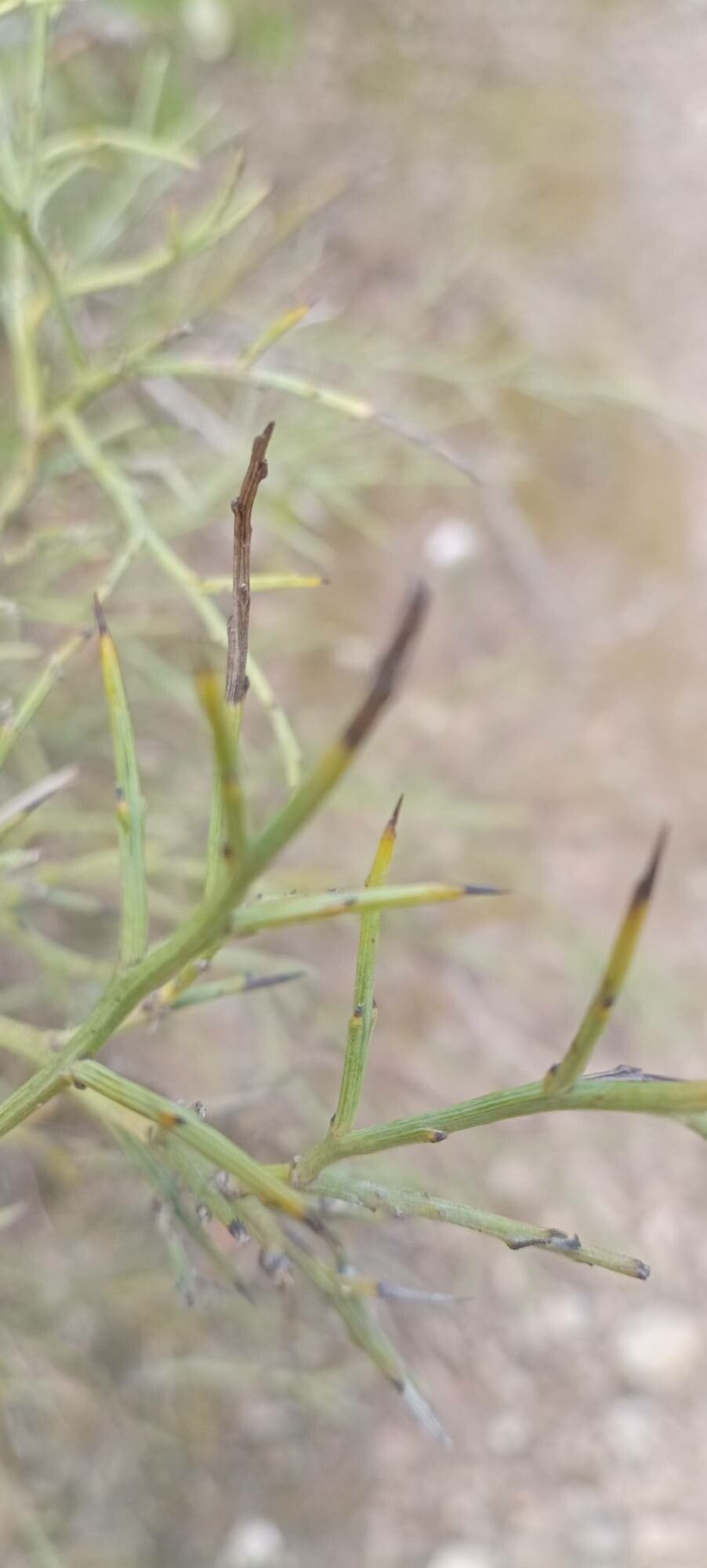
Oh, hello there! Pull up a chair and let’s chat about one of my absolute favorites: Genista fasselata. This glorious broom, with its cascades of sunshine-yellow blooms, is a real showstopper. Its ability to bring such vibrant color and a sense of wild elegance to any garden is truly special. Propagating it yourself? Well, that’s where the real magic happens. It’s a deeply satisfying endeavor, watching a tiny cutting blossom into a thriving plant. For many, Genista fasselata is a moderately challenging plant to propagate, but with a little know-how and patience, it’s absolutely achievable.
The Best Time to Start
My experience tells me that the sweet spot for propagating Genista fasselata is late spring to early summer. You’re looking for semi-hardwood cuttings. These are bits of the plant that have started to mature – they’re not brand new, soft growth, but not yet fully woody and tough. Think of it as that perfect stage where a stem is firm enough to hold its shape but still has enough life in it to root. You’ll often see this growth occurring just after the main flowering flush.
Supplies You’ll Need
Gathering your tools beforehand makes the whole process much smoother. Here’s what I always have on hand:
- Sharp pruning shears or a clean, sharp knife: For making clean cuts. Make sure they’re cleaned with rubbing alcohol to prevent disease.
- Rooting hormone powder or gel: This can significantly boost your success rate.
- A well-draining potting mix: I love a blend of coarse sand, perlite, and a good quality peat-free compost. Aim for about a 1:1:1 ratio. You can also buy specialized cuttings compost.
- Small pots or seed trays: Clean ones, of course!
- A clear plastic bag or a propagator lid: To keep humidity high around your cuttings.
- Watering can with a fine rose: For gentle watering.
- Labels and a permanent marker: To keep track of what you’ve planted and when.
Propagation Methods
We’ll focus on the most reliable method for Genista fasselata: stem cuttings.
- Select Your Cuttings: Head out to your Genista fasselata plant during the ideal season. Look for healthy, non-flowering stems. You want pieces that are about 4-6 inches long.
- Make the Cut: Using your sharp, clean shears or knife, make a clean cut just below a leaf node (that little bump where a leaf attaches to the stem). This is a prime spot for root development. Remove the lower leaves, leaving only a few at the very top.
- Prepare the Cutting: If you’re using rooting hormone, dip the cut end into it, tapping off any excess. Be generous but don’t overdo it.
- Plant Your Cuttings: Fill your pots with your prepared potting mix and water it thoroughly so it’s evenly moist but not saturated. Make a small hole in the center of the soil with a pencil or your finger.
- Insert and Firm: Gently insert the prepared cutting into the hole. Firm the soil around the base to ensure good contact.
- Provide Humidity: Water the cuttings gently again. Then, cover the pots with a clear plastic bag or propagator lid. This creates a mini-greenhouse effect, which is crucial for preventing the cuttings from drying out. If using a bag, prop it up with a couple of small sticks so it doesn’t touch the leaves.
The “Secret Sauce” (Pro Tips)
After years of playing in the dirt, you learn a few tricks that make a difference. Here are a couple for Genista fasselata:
- Don’t Overwater: It sounds counterintuitive when you’re trying to encourage roots, but soggy soil is the enemy of cuttings. It can lead to rot. The dampness you get from watering once and then keeping them covered is usually enough. Feel the soil – it should be moist, not wet.
- Bottom Heat is Your Friend: If you have the space and the inclination, placing your pots on a propagator heat mat can dramatically speed up the rooting process. The gentle warmth encourages root formation from below, like a cozy little incubator.
Aftercare & Troubleshooting
Once your cuttings are planted, it’s mostly a waiting game. You’ll want to keep them in a bright spot out of direct, scorching sunlight. Check the soil moisture periodically and water gently if it starts to feel dry.
The biggest sign of success is when you see new growth appearing at the top of the cutting. You might also feel a gentle resistance when you very carefully tug on the stem. This indicates roots have formed.
The most common issue you’ll encounter is rot. If you see your cutting turning black and mushy, especially at the base, it’s likely rotted. This is usually a sign of too much moisture and/or poor air circulation. If you catch it early, you might be able to salvage it by moving it to a drier spot or even trying to take another cutting. Brown, crispy leaves usually mean it’s too dry.
A Little Encouragement
Remember, gardening is a journey, and propagation is a wonderfully rewarding part of it. Don’t be discouraged if your first attempts aren’t a complete success. Every cutting you try teaches you something new. Be patient, observe your plants, and enjoy the process of nurturing new life. Happy propagating!
Resource:
https://identify.plantnet.org/k-world-flora/species/Genista%20fasselata%20Decne./data