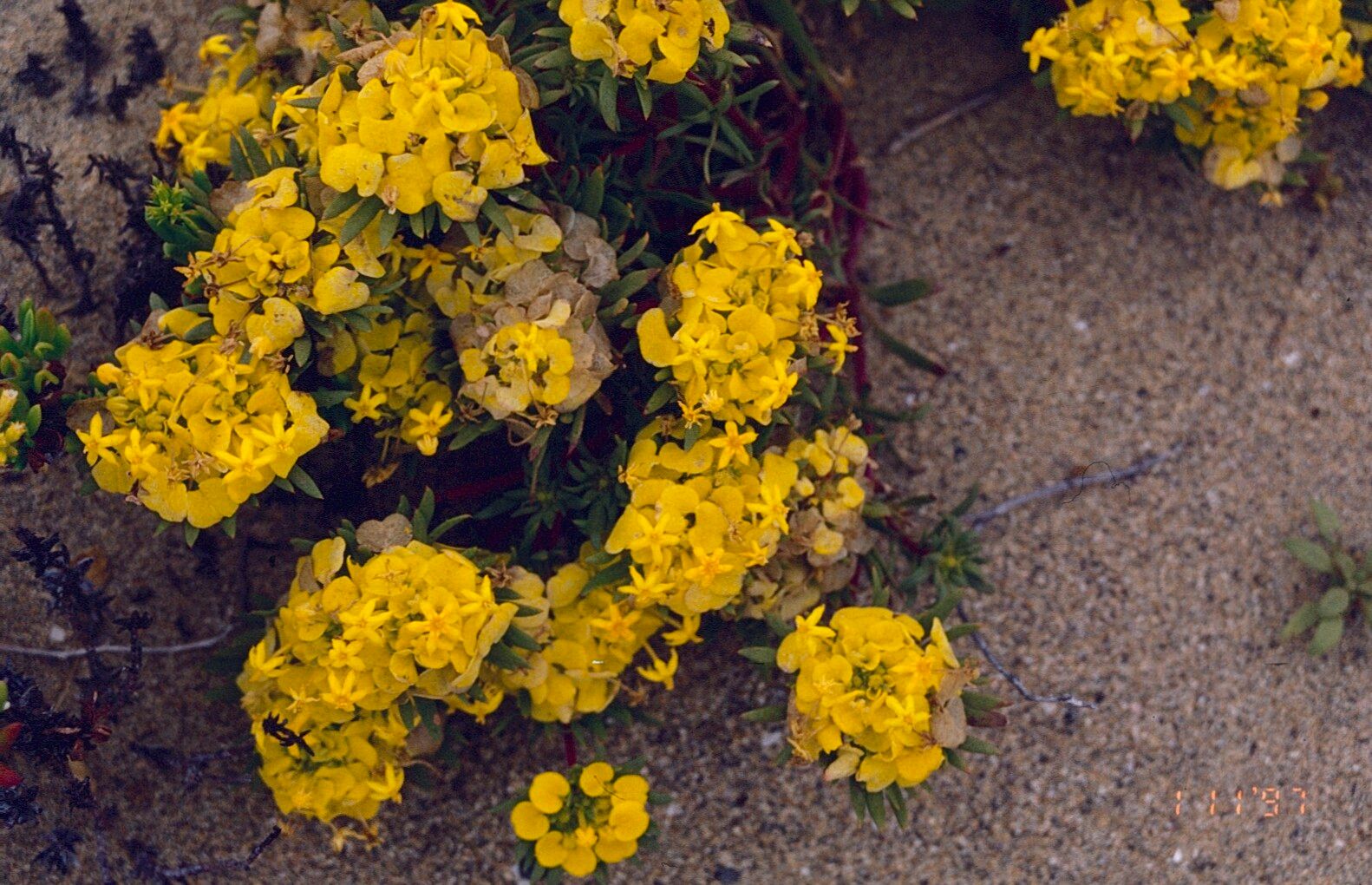
Oh, sweet Alyssum lenense! If you haven’t had the pleasure, imagine a cloud of delicate, honey-scented flowers tumbling over the edges of a pot or a garden bed. It’s pure charm, and honestly, getting more of these little beauties for yourself is incredibly satisfying. The good news? For those of you just dipping your toes into the world of plant propagation, Alyssum lenense is generally a very forgiving plant to work with. You’ll likely find yourself with success sooner than you think!
The Best Time to Start
For the absolute highest chance of success, I always recommend starting your Alyssum lenense propagation in late spring or early summer. This is when the plant is actively growing and has plenty of young, flexible stems that are perfect for taking cuttings. You want to get them going before the real heat of summer fully kicks in, which can stress young cuttings.
Supplies You’ll Need
Gathering your tools beforehand makes the whole process much smoother. Here’s what I usually have on hand:
- Sharp pruning shears or scissors: Cleanliness is key!
- Small pots or trays: Four-inch pots are usually a good size.
- A well-draining potting mix: I love a blend of equal parts peat moss, perlite, and coarse sand. If you’re feeling lazy, a good quality seed-starting mix will work in a pinch.
- Rooting hormone (optional but recommended): This gives your cuttings a helpful boost.
- Watering can with a fine rose: To water gently without disturbing your new plants.
- A clear plastic bag or humidity dome: To keep things nice and moist.
- A clean knife or razor blade: For taking cuttings.
Propagation Methods
Alyssum lenense is quite happy to be started from stem cuttings. It’s straightforward, and you can get a whole bunch of new plants going this way.
Stem Cuttings:
- Select your parent plant: Choose a healthy, vigorous Alyssum lenense. Look for stems that are supple and green, not woody or old.
- Take the cuttings: Using your clean pruning shears, cut a stem that’s about 3-6 inches long. Aim to take them from just below a leaf node (where a leaf grows from the stem).
- Prepare the cuttings: Gently remove the lower leaves from the cutting, leaving just the top couple of leaves. If the leaves are very large, you can even snip them in half to reduce water loss.
- Apply rooting hormone (if using): Dip the cut end of the stem into your rooting hormone powder, tapping off any excess.
- Plant the cuttings: Fill your small pots with your prepared potting mix. Make a hole in the center of the soil with your finger or a pencil. Insert the cut end of the Alyssum stem into the hole, ensuring the removed leaves are well above the soil line. Gently firm the soil around the stem.
- Water and cover: Water the pots thoroughly but gently. Then, place a clear plastic bag over the pot (making sure the leaves don’t touch the plastic) or cover it with a humidity dome. This creates a mini-greenhouse effect, keeping the humidity high.
- Placement: Put the pots in a bright spot, but out of direct sunlight. A windowsill that gets indirect light is perfect.
The “Secret Sauce” (Pro Tips)
Here are a couple of my go-to tricks that have served me well over the years:
- Bottom Heat is Your Friend: While not strictly necessary for Alyssum, placing your pots on a seedling heat mat can significantly speed up root development. It mimics that lovely warmth of early spring and gives those little roots a real kickstart. You’ll be amazed at the difference it makes.
- Don’t Drown Them: When watering your cuttings, it’s easy to overdo it, especially if you’re covering them. The key is consistently moist, not waterlogged soil. If you see water pooling, something’s wrong with your drainage. A little bit of dampness is what they need.
Aftercare & Troubleshooting
Once your cuttings have been in their cozy, humid environment for a few weeks, you’ll start to see signs of new growth. The real giveaway that they’re rooting, though, is when you gently tug on a stem and feel resistance – they’re starting to anchor themselves!
- Transitioning: Once you see good rooted growth, you can gradually acclimate them to lower humidity. Remove the plastic bag for a few hours each day, slowly increasing the time until they’re used to open air.
- Potting Up: When the new plants have developed a good root system and a few sets of leaves, it’s time to pot them up into slightly larger containers with fresh potting mix.
- Common Pitfalls:
- Rotting: This is the most common issue and is usually due to overwatering or poor drainage. Your soil should feel moist, but you shouldn’t be able to squeeze water out of it. If a cutting droops and turns mushy, it’s likely rotted.
- Wilting: If your cuttings wilt, it could be a sign they aren’t getting enough humidity (your cover might not be sealed well) or they are drying out too much. Check your soil moisture and the seal on your cover.
A Little Patience Goes a Long Way
See? Not so scary, is it? Propagating Alyssum lenense is a wonderfully rewarding way to expand your garden and share these sweet little plants with friends. My biggest piece of advice? Be patient. Sometimes it takes a little longer than you expect, but the thrill of seeing those tiny roots and new leaves emerge is absolutely worth the wait. Happy gardening, everyone!
Resource:
https://identify.plantnet.org/k-world-flora/species/Alyssum%20lenense%20Adams/data