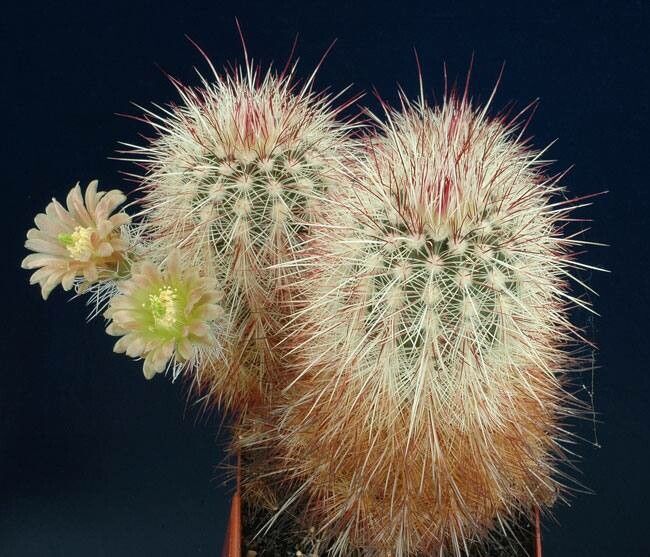
Oh, Echinocereus russanthus! What a truly delightful cactus. Those stunning, vibrant flowers, usually a glorious magenta or intense scarlet, just make you stop and stare. I’ve been growing them for years, and honestly, each bloom feels like a personal reward. Propagating them is such a joy, and seeing a tiny offset unfurl and begin its own life is incredibly satisfying. Now, for beginners, I’d say Echinocereus russanthus is moderately easy to propagate. It’s not quite as push-button as some succulents, but with a little attention and following the right steps, you’ll have great success.
The Best Time to Start
I find the absolute best time to propagate Echinocereus russanthus is during the active growing season, which for most of us is late spring through summer. This is when the plant has plenty of energy reserves and a strong drive to produce new growth, making it much more receptive to forming roots. You can also work with offsets that have naturally detached or look ready to be separated at this time. Avoid propagating when the plant is dormant or under stress – it’s just not the opportune moment.
Supplies You’ll Need
Here’s what I always have on hand when I’m about to get my hands dirty with these beauties:
- Well-draining cactus and succulent mix: I often mix my own: 2 parts coarse sand, 1 part perlite, and 1 part peatmoss or coco coir. Or, just buy a good quality pre-made cactus mix and add extra perlite or pumice. Drainage is king!
- Sharp, sterile scissors or a clean knife: For making clean cuts. I usually sterilize mine with rubbing alcohol.
- Rooting hormone (optional but recommended): This really gives cuttings a helpful boost. Look for one formulated for stem cuttings.
- Small pots or seed trays: Clean ones, of course. Terracotta pots are great because they breathe.
- Gravel or perlite for top dressing (optional): Helps keep the base of the cutting dry.
- Watering can or spray bottle: For gentle watering.
Propagation Methods
For Echinocereus russanthus, the most common and reliable methods are stem cuttings (from offsets) and division.
Propagating from Offsets (Stem Cuttings)
This is often the easiest way to go, as you’re essentially taking a “baby” plant that’s already formed.
- Identify a healthy offset: Look for a side shoot or a small pup that appears to be well-developed and looks like it has its own tiny root system starting. Usually, they’re near the base of the main plant.
- Gently separate the offset: Using your sterile knife or scissors, carefully cut the offset away from the parent plant. Try to make a clean cut as close to the main stem as possible. If the offset has any roots still attached, that’s a bonus!
- Let it callous: This is CRUCIAL! Place the separated offset in a dry, well-lit location (but out of direct, harsh sun) for about 5-10 days. You’ll see the cut end dry and form a protective callous. This prevents rot when you plant it.
- Dust with rooting hormone (optional): Once calloused, you can dip the cut end into rooting hormone. Tap off any excess.
- Plant it: Fill your small pot with your well-draining mix. Make a small hole in the center and gently insert the calloused end of the offset. You don’t need to plant it super deep – just enough for it to stand upright. I like to add a little gravel or perlite around the base for extra support and to keep it dry.
- Wait for roots: Do NOT water immediately. Wait about a week after planting. Then, water very sparingly, just enough to moisten the soil. You’re looking for the soil to dry out completely between waterings. Gently tug on the offset after a few weeks; if it resists, it has rooted!
Division (Less Common for Echinocereus, but possible with larger, multi-headed clumps)
If your Echinocereus russanthus has grown into a dense clump over time, you might be able to divide it.
- Carefully remove from pot: Gently take the entire plant out of its container.
- Loosen soil: Gently brush away as much of the old soil from the root ball as possible. You’re looking for natural divisions within the root system.
- Separate with care: Using your knife or even just your hands, carefully pull or cut the clump into smaller sections, ensuring each section has some roots attached. This can be a bit more delicate than offsets.
- Callous and plant: Treat each divided section as you would an offset – let the cut ends callous over for several days before planting them in their own well-draining pots with your cactus mix. Again, wait to water until they’ve had a chance to settle.
The “Secret Sauce” (Pro Tips)
Here are a couple of things I’ve learned through trial and error that make a big difference:
- Less is more with water when rooting: Honestly, the biggest killer of new cuttings is overwatering. It’s far better to underwater than to overwater. When you do water, make sure the soil dries out completely before watering again. I often wait until I see the cactus itself start to look a little less plump before I give it a drink, and even then, it’s just a light watering.
- Bottom heat is a game-changer: If you can provide a little gentle bottom heat from a seedling heat mat, it will significantly speed up root formation. Cacti really love that warmth! Just make sure the mat isn’t too hot – you want it to be barely warm to the touch.
Aftercare & Troubleshooting
Once your propagated Echinocereus russanthus shows signs of rooting (like new growth appearing or it feeling firm when gently tugged), you can start treating it like a mature plant, though still with a bit more delicacy. Continue to water only when the soil is completely dry. Provide plenty of bright, indirect sunlight.
The most common problem you’ll encounter is rot. If you see your cutting becoming mushy, discolored (often brown or black), or collapsing, it’s usually a sign of too much moisture and lack of good airflow leading to fungal issues. If this happens, act fast! You might be able to salvage a healthy section by cutting above the rot and re-callousing and replanting. Sometimes, even with the best care, a cutting just doesn’t take. Don’t get discouraged! It happens to all of us.
A Encouraging Closing
So there you have it! Propagating Echinocereus russanthus is a wonderful way to expand your collection and share your love of these spiky treasures. Remember to be patient – these beauties work on their own timeline. Enjoy the process, celebrate each success, and don’t be afraid to get a little dirt under your fingernails! Happy propagating!
Resource:
https://identify.plantnet.org/k-world-flora/species/Echinocereus%20russanthus%20D.Weniger/data