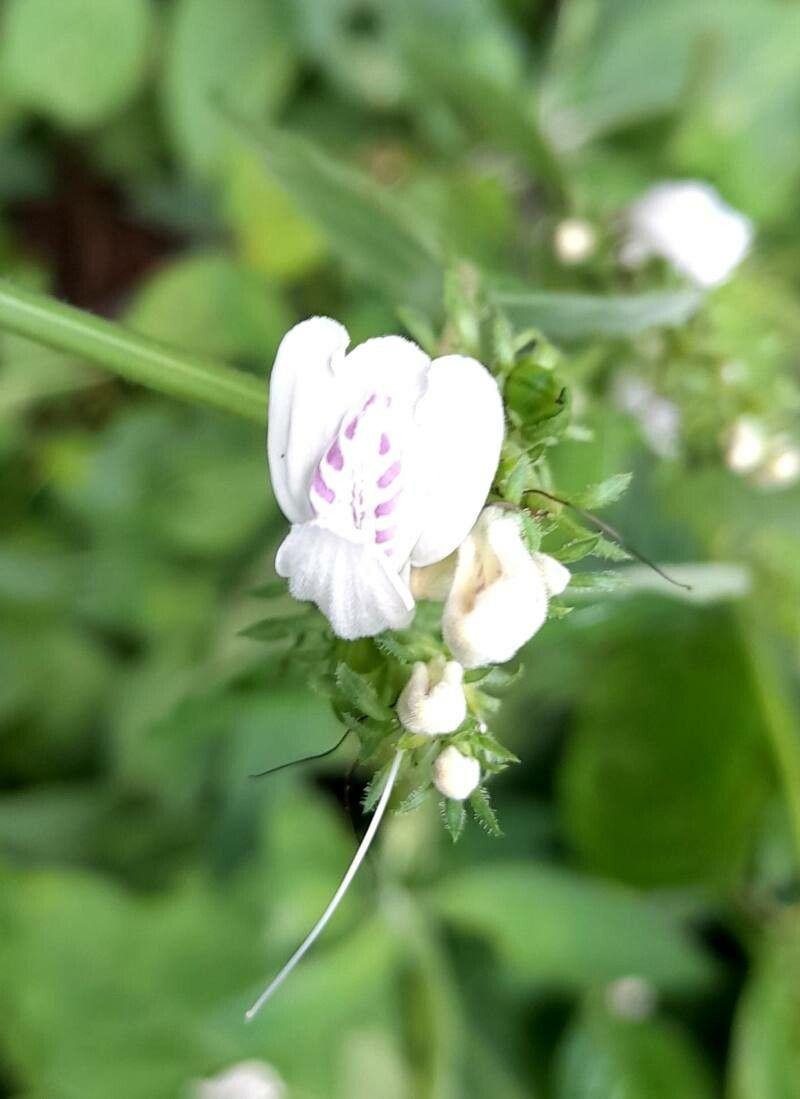
Oh, hello there! Come on in, grab a mug. I’m so excited to chat with you today about a truly delightful plant: Justicia jujuyensis. If you’ve ever admired those vibrant, almost tropical-looking leaves and those charming little blooms it puts out, you’re not alone. It’s a real gem, and the best part? You can have more of them!
My Love Affair with Justicia jujuyensis
What I adore about Justicia jujuyensis is its lush foliage. It brings this wonderful touch of the tropics to even the gloomiest corner of my garden or home. And those flowers, while small, have a way of appearing when you least expect them, adding a spontaneous pop of color. For beginners, I’d say propagating this beauty is moderately easy. It’s not quite as foolproof as, say, mint, but with a little attention, you’ll have success. Trust me, there’s no greater joy than watching a tiny cutting transform into a thriving plant.
When to Get Your Hands Dirty
The absolute best time for me to start propagating Justicia jujuyensis is in the late spring or early summer. This is when the plant is already in its vigorous growth phase. You know, when it’s really putting on a show? That energy translates beautifully into new growth from your cuttings. Waiting until the plant has produced a good amount of soft, new growth means you’ve got plenty of healthy material to work with.
Gathering Your Tools
Before we get started, let’s make sure you have everything you need. Think of it as prepping your chef’s station!
- Sharp Pruning Shears or a Clean Knife: For making those crucial, clean cuts.
- Rooting Hormone (Optional but Recommended): This little powder or gel can give your cuttings a significant boost.
- Well-Draining Potting Mix: I like to use a blend of equal parts peat moss, perlite, and a good quality potting soil. You can also find specific propagation mixes.
- Small Pots or Seedling Trays: Clean, empty containers are perfect. Make sure they have drainage holes!
- A Watering Can or Spray Bottle: For gentle watering.
- Plastic Bags or Clear Domes: To create a humid environment.
Bringing New Life: Propagation Methods
I find that stem cuttings are my go-to for Justicia jujuyensis. It’s incredibly reliable and gives me the most control.
Method: Stem Cuttings
- Take Your Cuttings: Head out to your healthy Justicia jujuyensis plant. Look for stems that have new, soft growth but aren’t yet woody. You want pieces that are about 4-6 inches long. Use your sharp shears to make a clean cut just below a leaf node (that’s the little bump on the stem where a leaf grows out). Remove the lower leaves, leaving just a couple of sets at the top. This prevents them from rotting once planted.
- Apply Rooting Hormone (Optional): Dip the cut end of your stem into your rooting hormone powder or gel. You don’t need a ton, just enough to coat the bottom inch or so. Gently tap off any excess.
- Plant Your Cuttings: Fill your small pots with your prepared potting mix. Make a little hole in the center with your finger or a pencil. Gently insert the cut end of your stem into the hole, making sure it’s snug. Firm the soil around it.
- Water Gently: Water the soil thoroughly but gently. You want the soil to be moist, not soggy.
- Create a Humid Environment: This is key! Cover the pot loosely with a clear plastic bag or place it under a clear dome. This traps humidity, which is vital for cuttings to develop roots before they dry out. Place the pot in a warm spot with bright, indirect light. Avoid direct sun, which can scorch the tender cuttings.
The “Secret Sauce” from My Garden
Over the years, I’ve learned a few tricks that really ramp up my success rate.
- Bottom Heat is Your Friend: For faster rooting, especially if your home is on the cooler side, I use a seedling heat mat. Placing your pots on a gentle heat source really encourages those roots to form more quickly. It’s like a little spa day for the cuttings!
- Don’t Let Those Leaves Dip: If you’re experimenting with water propagation (which I do sometimes for observation), make sure no leaves are touching the water. Only the stem should be submerged. Leaves sitting in water are a fast track to rot, and we want roots, not mush!
- Watch for the Fog: When you have your cuttings covered with a plastic bag, you’ll often see a bit of condensation or “fog” on the inside. This is a good sign of humidity. If you see too much water pooling inside, briefly lift the bag or dome to let it air out for an hour or so.
Nurturing Your New Sprouts & What to Watch For
Once you see new leaf growth, that’s a strong indicator that roots are forming! You can gently tug on the cutting – if there’s resistance, roots are developing. It might take anywhere from 3 to 6 weeks, sometimes longer, so patience is your best friend here.
When your cuttings have a good root system, you can gradually acclimate them to normal room humidity. Start by removing the plastic bag for a few hours a day, then gradually increase the time. Once they look robust, you can transplant them into slightly larger pots with their own soil.
The most common troubleshooting issue is rot. If your cutting turns black and mushy, it’s likely rotted. This often happens from too much moisture or poor air circulation. If you see this, it’s best to discard the affected cutting and start fresh, ensuring your soil and humidity levels are balanced.
Go Forth and Propagate!
See? It’s really not so daunting, is it? The magic of watching a tiny piece of a plant transform into a whole new life is truly something special. Don’t be discouraged if your first attempt isn’t perfect. Every garden lesson is a good one. So, grab those shears, get your hands in some soil, and enjoy the wonderful, rewarding journey of creating more Justicia jujuyensis! Happy growing!
Resource:
https://identify.plantnet.org/k-world-flora/species/Justicia%20jujuyensis%20C.Ezcurra/data