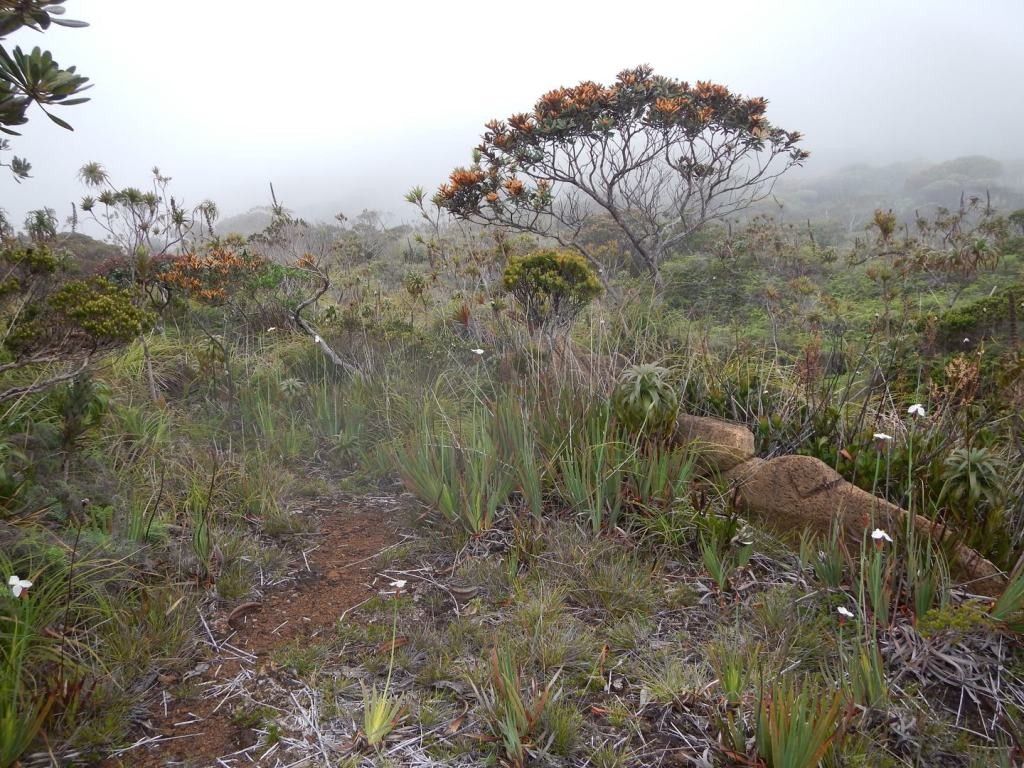
Hello there, fellow plant lovers! I’m absolutely delighted to share a little bit of my passion with you today. We’re going to dive into the wonderful world of propagating Patersonia neocaledonica. If you’re already familiar with this gem, you know its striking, iris-like flowers can bring such a vibrant splash of color to any garden. And if you’re new to it, trust me, you’re in for a treat!
Propagating this beauty isn’t just about getting more plants; it’s about the joy of watching life unfold, nurturing something from a tiny piece into a flourishing specimen. It’s a truly rewarding experience, and while it might seem a little daunting at first, I promise you, with a few pointers, it’s quite achievable. Don’t get me wrong, it’s not quite as foolproof as a succulent, but for the determined gardener, it’s a wonderfully satisfying challenge.
The Best Time to Start
When it comes to Patersonia neocaledonica, timing is everything. Generally, you’ll find the best success rates during its active growing season. For most climates, this means late spring through early summer. You want to catch the plant when it’s full of vigor, having come through its dormant period. This is when it has the most energy to put into producing new roots and shoots.
Supplies You’ll Need
Gathering your supplies beforehand is half the battle! Here’s what you’ll want to have on hand:
- Sharp, clean pruning shears or a sharp knife: For making clean cuts.
- Potting mix: A well-draining mix is crucial. I like to use a blend of regular potting soil with perlite or coarse sand to improve aeration. For this particular plant, something a bit on the grittier side works well.
- Small pots or seed trays: Clean and with drainage holes, of course!
- Rooting hormone (optional but recommended): A powder or gel can give your cuttings a real boost.
- Plastic bags or propagation domes: To create a humid environment.
- Watering can or spray bottle: For gentle watering.
- Labels and a permanent marker: To keep track of your babies!
Propagation Methods
Let’s get our hands dirty! There are a couple of ways we can coax new plants from our Patersonia.
Division (The Easiest Route)
This is hands-down the most straightforward method, especially for mature plants.
- When to divide: The best time is just as the plant is emerging from dormancy, usually in early spring. You’ll know it’s time when you see new growth starting.
- Carefully unearth the plant: Gently dig up your Patersonia, trying to disturb the roots as little as possible.
- Separate the clumps: Look for natural divisions where new shoots have emerged from the base of the parent plant. You want each division to have a healthy clump of roots and at least one or two new shoots.
- Use your hands or a sharp tool: You can often gently pull the divisions apart. If they’re stubborn, a clean trowel or knife can help. Ensure each piece has enough roots to sustain itself.
- Replant immediately: Pot up each division into its own container with your well-draining soil mix. Water thoroughly.
Stem Cuttings (A Bit More Patience Required)
This method is great when you want to increase your numbers more rapidly, but it requires a bit more finesse.
- Select your cutting material: Look for healthy, non-flowering stems that are about 4-6 inches long. You want stems that are firm but not woody.
- Make the cut: Using your sharp, clean shears, make a cut just below a leaf node (the point where a leaf grows from the stem).
- Prepare the cutting: Gently strip off the lower leaves. This prevents them from rotting when buried.
- Apply rooting hormone (optional): Dip the cut end into your rooting hormone, tapping off any excess.
- Pot it up: Insert the cut end about an inch deep into your well-draining potting mix. Several cuttings can go into one pot, spaced a few inches apart.
- Create humidity: Water gently, then cover the pot with a plastic bag or propagation dome. Make sure the leaves don’t touch the soil. You can use stakes to support the bag if needed. Place in a bright spot out of direct sunlight.
The “Secret Sauce” (Pro Tips)
Here are a few tricks I’ve picked up over the years that have really helped me boost my propagation success with plants like these:
- The “Air Gap” Test: When taking divisions, always make sure your new piece has enough roots. A good rule of thumb is to have at least twice as much root mass as leaf surface. This ensures it can support itself while it settles in.
- Bottom Heat is Your Friend: For stem cuttings, especially if your home tends to be cool, a heat mat placed underneath the pots can make a world of difference. It encourages root development much faster than ambient room temperature. Just keep it on a low setting.
- Don’t Rush the Transplant: Resist the urge to pot up your cuttings as soon as you see a tiny bit of new growth. Wait until you can gently tug on the cutting and feel definite resistance, indicating a healthy root system has formed.
Aftercare & Troubleshooting
Once you see happy roots emerging, it’s time to transition your new baby plants.
- For divisions: Water them well and keep them in their new pots. Gradually introduce them to brighter light as they establish.
- For cuttings: Once they have a good root system, slowly acclimate them to normal room humidity. Remove the plastic bag for increasing periods each day. Water gently when the top inch of soil feels dry.
Troubleshooting: The most common issue you might face is rot, especially with stem cuttings. This is usually caused by too much moisture and poor drainage. If you see your cutting turning mushy or black, it’s likely beyond saving. Prevention is key here: use that gritty soil mix and avoid overwatering! If a division looks wilted, it might just be stressed from the transplant – ensure it’s in a sheltered spot and is consistently moist (but not waterlogged) until it recovers.
A Encouraging Closing
Propagating Patersonia neocaledonica is a wonderful journey. It’s a chance to connect with nature on a deeper level, and to share the beauty of this plant with others. Be patient, observe your plants closely, and don’t be discouraged if every attempt isn’t a runaway success. The learning process is the reward. Happy gardening!
Resource: