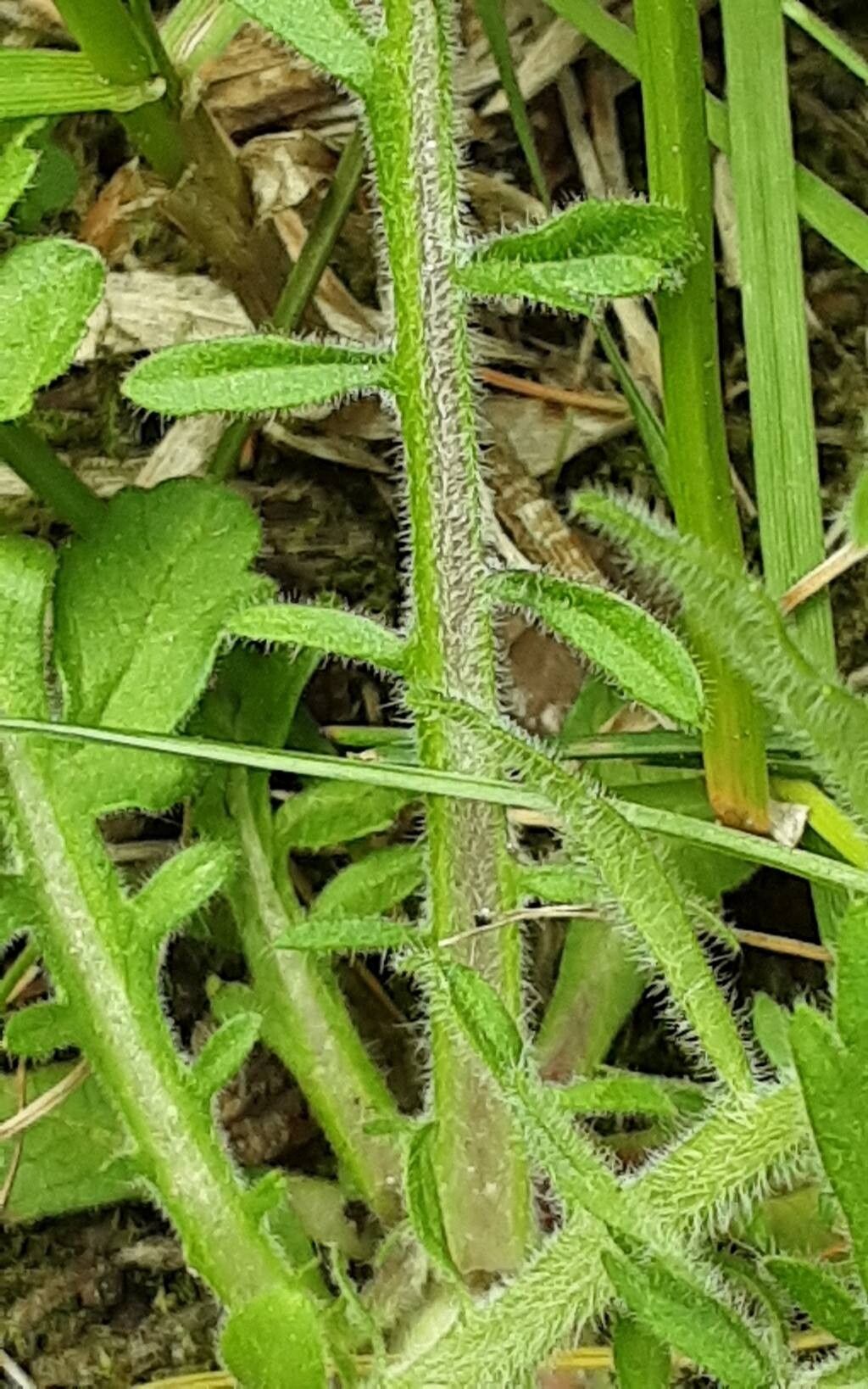
Oh, Knautia! Isn’t that just a delightful plant to have gracing our gardens? I’ve always been captivated by its delicate, pincushion-like blooms, which attract a veritable buffet of bees and butterflies. They add such a gentle splash of color, don’t they? And the best part? You can easily multiply these beauties for yourself or to share with fellow garden enthusiasts. While not the absolute easiest plant for a complete newcomer, with a little guidance, propagating Knautia colinana is a very achievable and rewarding project. You’ll be a pro in no time!
The Best Time to Start
For the most success with your Knautia cuttings, aim for late spring or early summer. This is when the plant is actively growing, and its stems are full of energy. You’re looking for new, non-flowering shoots. These are often called “softwood cuttings.” Avoid taking any bits that already have flower buds on them; they just want to focus on making more flowers, not roots!
Supplies You’ll Need
Before we get our hands dirty, let’s gather our tools:
- Sharp pruning shears or a clean, sharp knife: For making clean cuts.
- Small pots or trays: Clean ones with drainage holes are essential.
- Propagation medium: A mix of 50% perlite and 50% peat moss or coco coir works wonderfully. This provides good drainage and aeration.
- Rooting hormone (optional, but recommended): Available as a powder or gel, it helps stimulate root development.
- Watering can or spray bottle: For gentle watering.
- Plastic bag or propagator: To create a humid environment.
Propagation Methods
We’ll focus on the most reliable method for Knautia: stem cuttings.
- Take Your Cuttings: On a bright, cool morning (after any dew has dried), select healthy, vigorous stems. Using your clean shears or knife, take cuttings that are about 4-6 inches long. Make the cut just below a leaf node (where a leaf attaches to the stem).
- Prepare the Cuttings: Carefully remove the lower leaves from the bottom half of each cutting. You want to expose at least one or two leaf nodes. If there are any tiny flower buds developing, pinch them off.
- Apply Rooting Hormone (Optional): If you’re using rooting hormone, dip the cut end of each stem into the powder or gel, tapping off any excess.
- Plant the Cuttings: Fill your pots or trays with your prepared propagation mix. Use a pencil or your finger to make small holes in the medium, about 1-2 inches deep. Insert the prepared cuttings into these holes, ensuring the nodes where you removed the leaves are buried. Gently firm the medium around the base of each cutting.
- Water Gently: Water the cuttings lightly, making sure the entire medium is moist but not waterlogged.
- Create Humidity: Place a plastic bag over the pots, securing it with a rubber band or string to create a mini-greenhouse effect. Alternatively, use a propagator lid. Keep the leaves from touching the plastic bag if possible. This helps prevent rot.
The “Secret Sauce” (Pro Tips)
Now, here are a few little tricks I’ve learned over the years that really make a difference:
- Bottom Heat is Your Friend: If you have them, placing your pots on a heated propagation mat can significantly speed up root formation. It mimics the warmth of spring soil.
- Don’t Be Afraid to Experiment: While softwood cuttings are best, I’ve had decent luck with semi-hardwood cuttings taken in late summer too. These are stems that have started to firm up a bit. Just be patient; they might take a little longer to root.
- The “Wiggle Test”: Instead of pulling on your cuttings to check for roots (which you shouldn’t do until they’re well-established!), wait a few weeks. When you see new top growth, give a very gentle wiggle. If there’s resistance, you’ve got roots!
Aftercare & Troubleshooting
Once your cuttings show signs of rooting (usually after 3-6 weeks), you can start to acclimate them to normal conditions. Gradually remove the plastic bag or propagator lid over a week or so, allowing them to adjust to the ambient humidity. Continue to water them keeping the soil consistently moist but not soggy.
The most common problem you might encounter is rot. If you see your cuttings drooping, turning black, or looking mushy, it’s often due to too much moisture and not enough air circulation. Unfortunately, these are usually lost causes. Ensure you have good drainage, and don’t overwater! If you notice yellowing leaves, it can sometimes indicate they need a bit more light, but avoid direct, harsh sun for brand-new cuttings.
A Encouraging Closing
Propagating plants is such a wonderful way to connect with the natural world and expand your garden without spending a dime. Be patient with your Knautia cuttings. Some will take root beautifully, and others might not, and that’s perfectly okay! Every gardener has had cuttings that didn’t make it. Just enjoy the process, learn from each attempt, and celebrate the successes. Happy propagating!
Resource:
https://identify.plantnet.org/k-world-flora/species/Knautia%20collina%20(Gaudin)%20Jord./data