Hello there, fellow garden enthusiasts! It’s wonderful to have you back at my little corner of the internet.
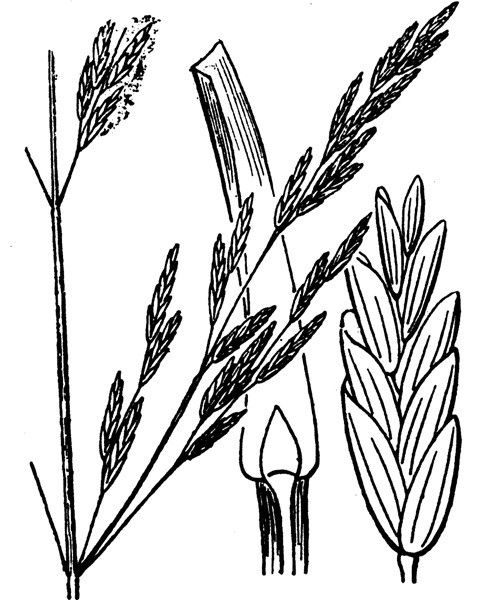
Today, we’re diving into a rather delightful subject: Puccinellia foucaudii. If you’re searching for a graceful, low-maintenance grass that adds movement and texture to your garden, you’ve found a winner. This beautiful native coastal grass, with its delicate, arching foliage, is a joy to behold, especially when it catches the breeze. And guess what? The best way to enjoy more of its charm is to propagate it yourself. It’s a truly rewarding experience, one that I think even beginners can tackle with a bit of guidance.
When to Get Things Blooming (or Rooting!)
For Puccinellia foucaudii, spring is your best friend. This is when the plant is bursting with new growth, meaning it has plenty of energy to dedicate to developing roots. Wait until the soil has warmed up nicely, and you’ve seen some real signs of life after winter. Early spring, just as the danger of frost has completely passed, is ideal.
What You’ll Need to Get Started
Don’t worry, you won’t need a whole lot of fancy equipment. Here’s what I usually grab when I’m ready to multiply my grasses:
- A clean, sharp pair of pruning shears or a sharp knife.
- A good quality potting mix. I often use a blend that’s light and well-draining – something like a mix of peat, perlite, and a little compost works wonders.
- Small pots or trays for your new plants. Make sure they have drainage holes!
- A watering can or spray bottle for gentle watering.
- Labels to mark what you’ve planted and when. Trust me on this, you’ll thank me later!
- Optional: A small bag of rooting hormone, especially if you’re a bit nervous about root development.
Branching Out: Propagation Methods
Puccinellia foucaudii is generally quite happy to be divided. This is by far the easiest and most successful method for this particular grass.
Division Technique:
- Dig Up the Mother Plant: Gently excavate the clump of Puccinellia foucaudii you want to propagate. Try to get as much of the root ball as possible. If it’s a large clump, you might need a spade to help loosen it.
- Clean the Roots: Gently shake off excess soil. This makes it easier to see where you can divide the plant.
- Separate the Divisions: This is the fun part! You can often tease the plant apart with your hands. If it’s a stubborn clump, use your clean pruning shears or knife to cut through the root ball and foliage. Aim for divisions that have a good amount of roots and a few healthy shoots. Don’t be afraid to get in there – the plant is resilient!
- Pot Them Up: Immediately plant each division into its own pot filled with your prepared potting mix. Make sure the crown of the plant (where the leaves emerge from the roots) is at soil level.
- Water Gently: Give each new pot a thorough but gentle watering. You want the soil to be moist, not waterlogged.
The “Secret Sauce” from My Garden
Over the years, I’ve picked up a few tricks that seem to make all the difference. For Puccinellia foucaudii, consider these:
- Don’t Drown Your Roots: When watering newly divided plants, it’s easy to overdo it. I like to water until I see it draining from the bottom, then let the pot sit for a bit. The goal is consistently moist soil, not soggy soil, which can lead to rot.
- A Touch of Shade: While these grasses love sun once established, new divisions can be a bit delicate. Keep them in a spot that receives bright, indirect light for the first week or two. Direct sun can scorch those tender new shoots.
- Bottom Heat is a Bonus (but not essential): If you happen to have a heated propagator or can place your pots on a warm windowsill, it can really encourage faster root establishment. It mimics that lovely warmth of spring soil, but honestly, regular potting indoors works just fine too.
Keeping Them Happy and Healthy
Once your divisions are potted up, keep the soil consistently moist. You’ll notice new growth appearing within a few weeks, which is a sure sign that roots are forming.
Now, what if things don’t go as planned? The most common culprit is rot, which usually happens when the soil stays too wet for too long. If you see yellowing leaves that seem to be wilting, and the soil feels waterlogged, you might be overwatering. Ensure good drainage in your pots and be mindful of how often you’re watering. If a division looks like it’s completely failed, don’t be disheartened. Sometimes, propagation is a bit of a numbers game.
There you have it! Propagating Puccinellia foucaudii is a wonderfully accessible way to expand your garden. Remember to be patient, observe your new plants, and most importantly, enjoy the process of nurturing them into their own beautiful selves. Happy gardening!
Resource:
https://identify.plantnet.org/k-world-flora/species/Puccinellia%20foucaudii%20(Hack.)%20Holmb./data