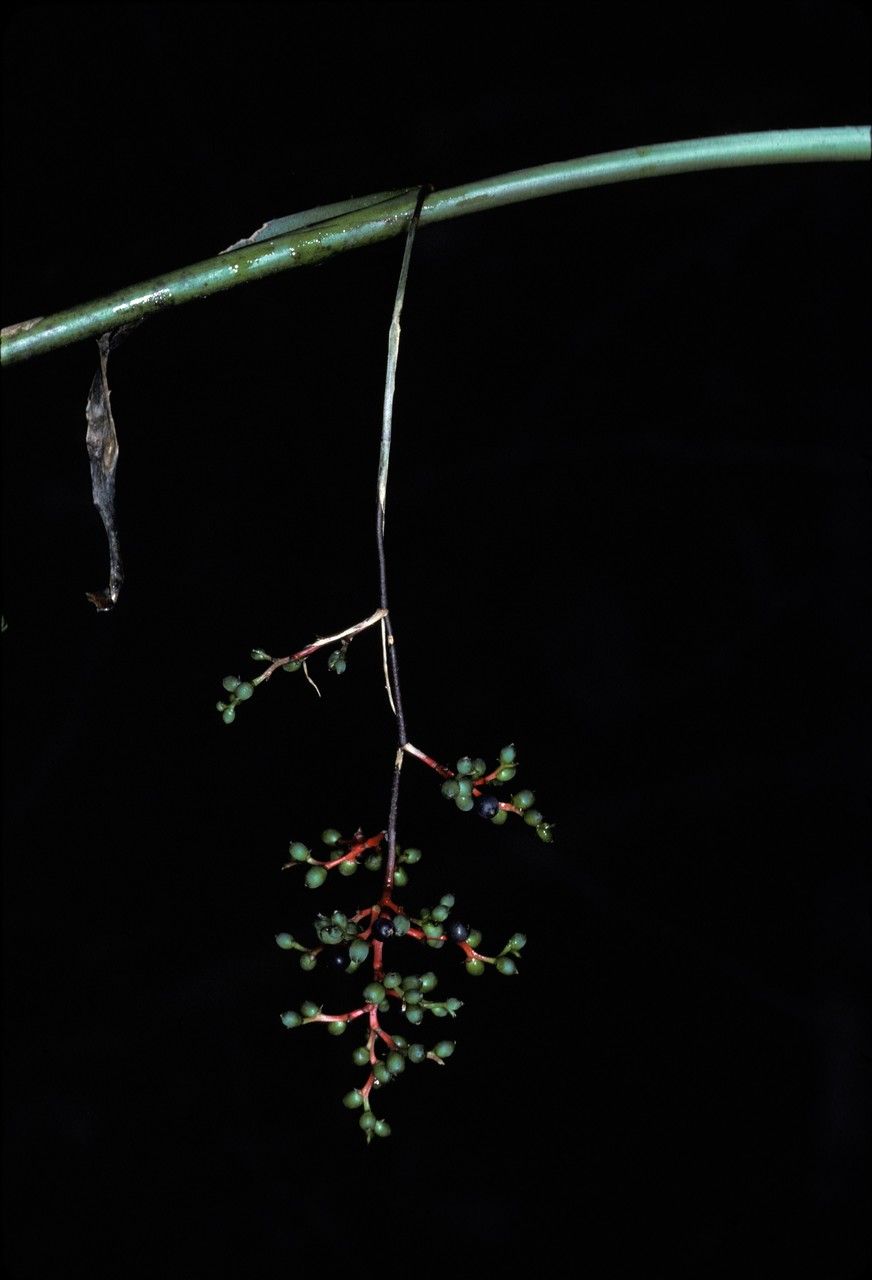
Oh, hello there! Grab a mug, settle in. Today, we’re going to talk about something truly special: Araeococcus micranthus, often called the “Flame of the Forest” for good reason. I’ve been growing these beauties for years, and propagating them is just one of those incredibly rewarding gardening moments. Seeing a tiny plant sprout from something you’ve nurtured… it’s pure magic.
Now, if you’re new to the plant world, don’t let this one intimidate you. While it’s not quite as simple as sticking a spider plant leaf in water, with a few gentle nudges, even beginners can have great success. The key is patience and paying a little attention.
The Best Time to Start
Honestly, the absolute best time to get your propagation party started is when your Araeococcus micranthus is in its most vigorous growth phase. For most of us, that means late spring through early summer. You’ll see it putting out new shoots and generally looking plump and happy. This is when it has the most energy to put into developing roots.
Supplies You’ll Need
Here’s what you’ll want to have on hand before you begin:
- Sharp, clean pruning shears or a sharp knife. Sterilize them with rubbing alcohol to prevent spreading any yucky stuff.
- Well-draining potting mix. A good blend of houseplant soil with some perlite or orchid bark mixed in is perfect. If you’re feeling fancy, a specific seedling mix works wonders.
- Small pots or propagation trays. Clean, of course!
- Rooting hormone (optional but recommended). This liquid or powder really helps give cuttings a boost.
- A spray bottle filled with clean water. For misting.
- Plastic bags or a clear dome/lid. To create a humid environment.
- A pebble tray or something to elevate pots slightly. For good airflow.
Propagation Methods
Araeococcus micranthus primarily propagates through offsets, also called pups or babies. These are miniature versions of the parent plant that sprout from the base.
- Gently Examine Your Plant: Look around the base of your mature Araeococcus micranthus. You’ll see little rosettes starting to form. Some will be tiny, while others will be a decent size, often already sporting a few leaves.
- Wait for a Suitable Size: Ideally, wait until an offset is at least a quarter to a third the size of the mother plant, and has a few leaves of its own. This ensures it has enough energy to survive on its own.
- Prepare Your Tools: Make sure your cutting tool is clean and sharp.
- Carefully Separate the Offset: Using your sharp shears or knife, gently cut the offset away from the mother plant. Try to make a clean cut as close to the base of the parent plant as possible, ensuring you get a bit of root if the offset already has some.
- Allow to Callus (Crucial Step!): This is so important. Place the separated offset in a dry, airy spot for 24-48 hours. You want the cut end to dry out and form a callus. This prevents rot when you plant it. Don’t skip this!
- Potting Up: Fill your small pot with your well-draining potting mix. Make a little well in the center.
- Apply Rooting Hormone (If Using): Dip the callused end of the offset into your rooting hormone. Tap off any excess.
- Plant the Offset: Gently place the offset into the prepared pot, pressing the soil lightly around it to secure it. It shouldn’t be too deep, just enough to hold it upright.
- Initial Watering: Water lightly after planting. Don’t waterlog it! You just want the soil to be slightly moist.
- Create Humidity: Tent a clear plastic bag over the pot, or place it inside a propagation dome. Make sure the leaves don’t touch the sides of the bag, as this can encourage rot. You can use short stakes to keep the bag away from the plant.
The “Secret Sauce” (Pro Tips)
Okay, here are a couple of little tricks I’ve picked up over the years that make a difference:
- Don’t Drown Your Babies: When you water after planting the offset, be conservative. The soil should be moist, not soggy. Overwatering at this stage is a fast track to root rot. A spray bottle is your best friend for keeping things lightly humid.
- Bottom Heat is Your Friend: If you can, place your pots on a gentle heat mat designed for seedlings. This warmth encourages root development much faster. Just a little warmth from below makes a world of difference.
- Air Circulation is Key: Even though we want humidity, don’t let the air get stagnant. Remove the plastic bag or dome for an hour or so each day to allow for airflow. This helps prevent fungal issues.
Aftercare & Troubleshooting
Once your offset is potted and happy in its humid little dome, keep it in a bright spot but out of direct sunlight. Indirect light is perfect. Mist it every few days, and monitor the soil moisture.
You’ll know it’s starting to root when you see:
- New leaf growth: This is the most obvious sign!
- Resistance when gently tugged: If it’s firmly in the soil, roots are forming.
Common problems?
- Rotting at the base: This is usually due to too much moisture and not enough airflow. Make sure you let the cut end callus, water sparingly, and provide that daily air exchange.
- Wilting leaves: Sometimes, a newly separated offset will look a bit sad. If it’s not rotting, keep it humid and be patient. It might just be adjusting.
If you see rot, remove the affected plant immediately to prevent it from spreading. You might be able to salvage a piece of the stem if it hasn’t gone too far, but often, it’s best to start fresh.
A Encouraging Closing
Gardening is a journey, and propagation is a wonderful part of that adventure. These little Araeococcus micranthus offsets might take their time, but watching them establish themselves is immensely satisfying. Be patient, trust your instincts, and most importantly, enjoy the process of growing new life. Happy propagating!
Resource:
https://identify.plantnet.org/k-world-flora/species/Araeococcus%20micranthus%20Brongn./data