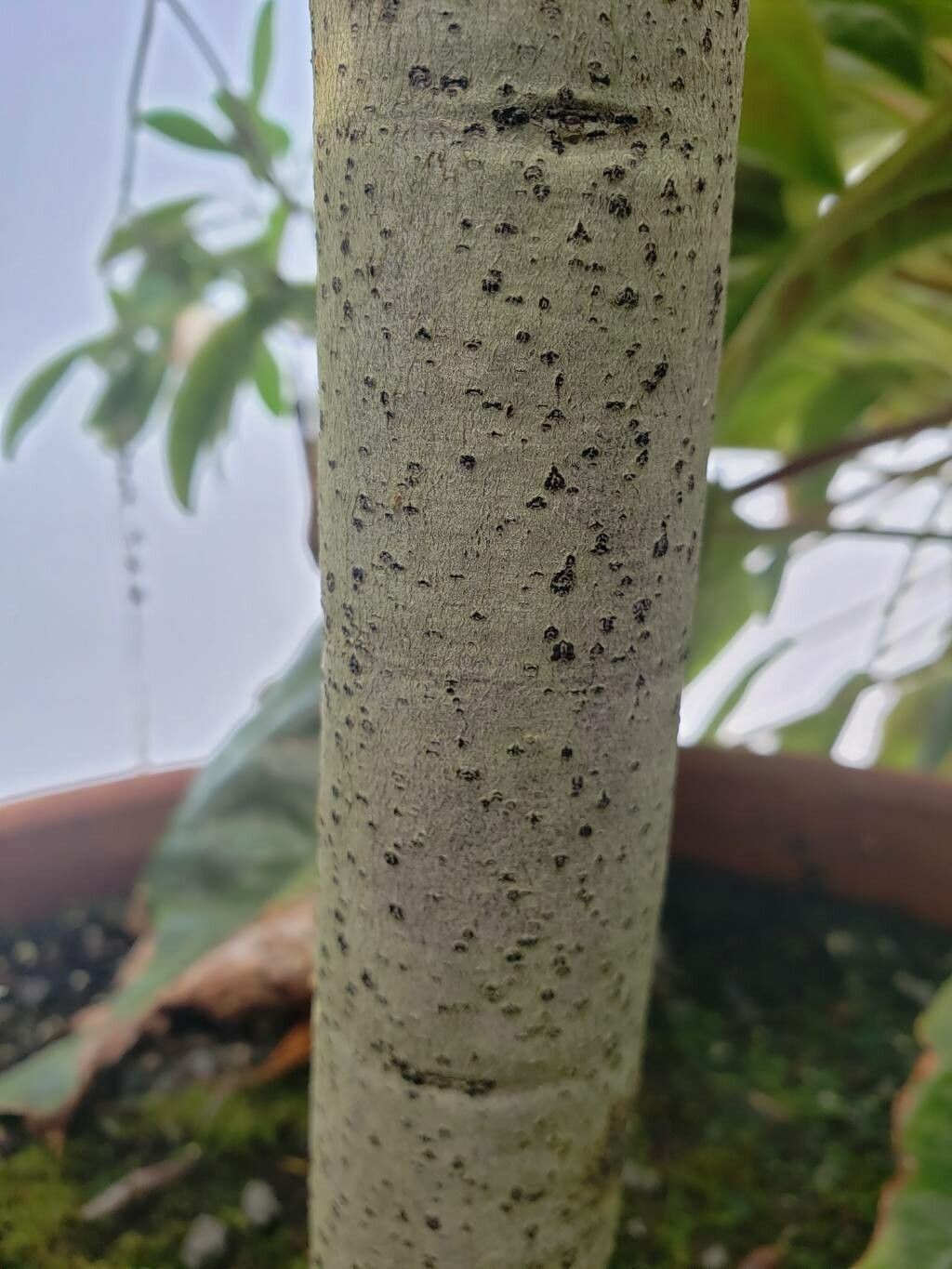
Hello fellow garden enthusiasts! It’s so lovely to have you join me today. I’m here to talk about a truly delightful plant: Clusia lanceolata. This beauty, often called the “Autograph Tree” or “Balata,” is adored for its glossy, paddle-shaped leaves. They’re so substantial and striking! And the best part? You can easily create more of these wonderful plants yourself. Propagating Clusia lanceolata is incredibly rewarding, and while it might seem a tad daunting at first, I promise you, it’s quite manageable, even for those new to the propagation game. You’ll be sharing these beauties with friends in no time!
The Best Time to Start
For the highest success rate with your Clusia lanceolata propagation, the spring and early summer months are your sweet spot. This is when the plant is actively growing, and the warmth and increased daylight help cuttings take root more readily. Aim for a time when new growth is developing but before it becomes too woody.
Supplies You’ll Need
Here’s what I like to have on hand when I’m getting my propagation projects going:
- Sharp Pruning Shears or a Knife: For clean cuts that heal better.
- Rooting Hormone: An optional, but highly recommended, booster. Look for one with an IBA (Indole-3-butyric acid) component.
- Well-Draining Potting Mix: A blend of equal parts peat moss, perlite, and coarse sand works wonderfully. You can also find commercial “propagation mixes.”
- Small Pots or Trays: Clean containers with drainage holes are essential.
- Plastic Bag or Propagation Dome: To create a humid environment.
- Water: For watering and potentially for water propagation.
- Labels and a Marker: To keep track of your experiments!
Propagation Methods
Let’s get our hands dirty with a couple of foolproof methods for Clusia lanceolata.
Stem Cuttings
This is my go-to method for this plant. It’s simple and effective!
- Select Healthy Stems: Choose a few healthy, vigorous stems from your mature plant. Look for stems that have produced new leaves, but aren’t too soft or flimsy.
- Make Your Cuts: Using your clean pruning shears or knife, take cuttings that are about 4-6 inches long. Make the cut just below a leaf node (where a leaf attaches to the stem).
- Prepare the Cuttings: Gently remove the lower leaves from the cutting, leaving just two or three at the very top. This prevents them from rotting in the soil.
- Apply Rooting Hormone (Optional but Recommended): Dip the cut end of the stem into your rooting hormone, tapping off any excess. This encourages faster and stronger root development.
- Plant Your Cuttings: Fill your small pots with your prepared potting mix. Make a small hole in the center of the soil with a pencil or your finger. Insert the cut end of the Clusia cutting into the hole, ensuring the leaf nodes where you removed the leaves are covered by soil. Gently firm the soil around the stem.
- Water Gently: Water your newly potted cuttings thoroughly but gently. You want the soil to be moist, not waterlogged.
Water Propagation
If you’re curious and want to see the roots develop, water propagation is a fun alternative!
- Take Cuttings: Follow steps 1-3 from the stem cutting method.
- Place in Water: Put the cuttings into a clean jar or vase filled with fresh water. Make sure the leaf nodes where you removed the lower leaves are submerged, but the remaining leaves are above the water line.
- Change Water Regularly: Change the water every few days or whenever it starts to look cloudy. This keeps the cuttings healthy and prevents bacterial growth.
- Wait for Roots: You should start to see tiny white roots emerging from the submerged nodes within a few weeks. Once these roots are about an inch long, you can carefully transplant them into your potting mix.
The “Secret Sauce” (Pro Tips)
Here are a couple of tricks I’ve learned over the years that really up the ante for Clusia propagation.
- Don’t Let the Leaves Touch the Water: This is crucial if you’re doing water propagation. Any leaves submerged in water are prone to rotting, which can kill your cutting before it even has a chance to root. Think of it as giving your cutting clean “air” to breathe.
- Bottom Heat is Your Friend: Clusia loves warmth, and providing a bit of bottom heat can significantly speed up root formation. Set your pots or trays on a heating mat designed for plant propagation. This gentle warmth mimics the conditions found in more tropical climates and gives your cuttings that extra push.
- Go for the “Softwood” Cuttings: While you can take somewhat woody cuttings, I find that taking cuttings from semi-hardwood (new growth that has started to firm up but isn’t old and woody) offers the best balance of flexibility and potential for rooting. They are less prone to drying out than very soft cuttings.
Aftercare & Troubleshooting
Once you see roots appearing – congratulations! This is the exciting part.
- Transplanting: If you’ve used a propagation tray, once your cuttings have a good root system (you can gently tug and feel resistance), it’s time to move them into individual pots with fresh, well-draining potting mix. If you’ve started them in pots, just continue to care for them.
- Humidity is Key: Keep your newly potted plants in a humid environment for the first few weeks. You can do this by covering them with a plastic bag (with a few air holes poked in it) or by using a propagation dome. Gradually acclimate them to lower humidity by opening the bag or dome for increasing periods each day.
- Light: Place them in a bright spot with indirect sunlight. Direct sun can scorch delicate new growth.
- Watering: Water when the top inch of soil feels dry to the touch. Avoid overwatering, as this is a common cause of root rot.
- Troubleshooting Rot: If you notice your cuttings turning black and mushy, that’s a sign of rot. This is usually due to too much moisture and poor air circulation. Sadly, once rot sets in, it’s very difficult to save the cutting. Prevention is key here – ensure good drainage and don’t let them sit in soggy soil.
Embrace the Journey
Propagating Clusia lanceolata is a wonderful way to expand your collection and share the joy of gardening. Don’t be discouraged if a few don’t make it – it’s all part of the learning process! Be patient, enjoy watching those roots develop, and celebrate every success. Happy propagating!
Resource:
https://identify.plantnet.org/k-world-flora/species/Clusia%20lanceolata%20Cambess./data