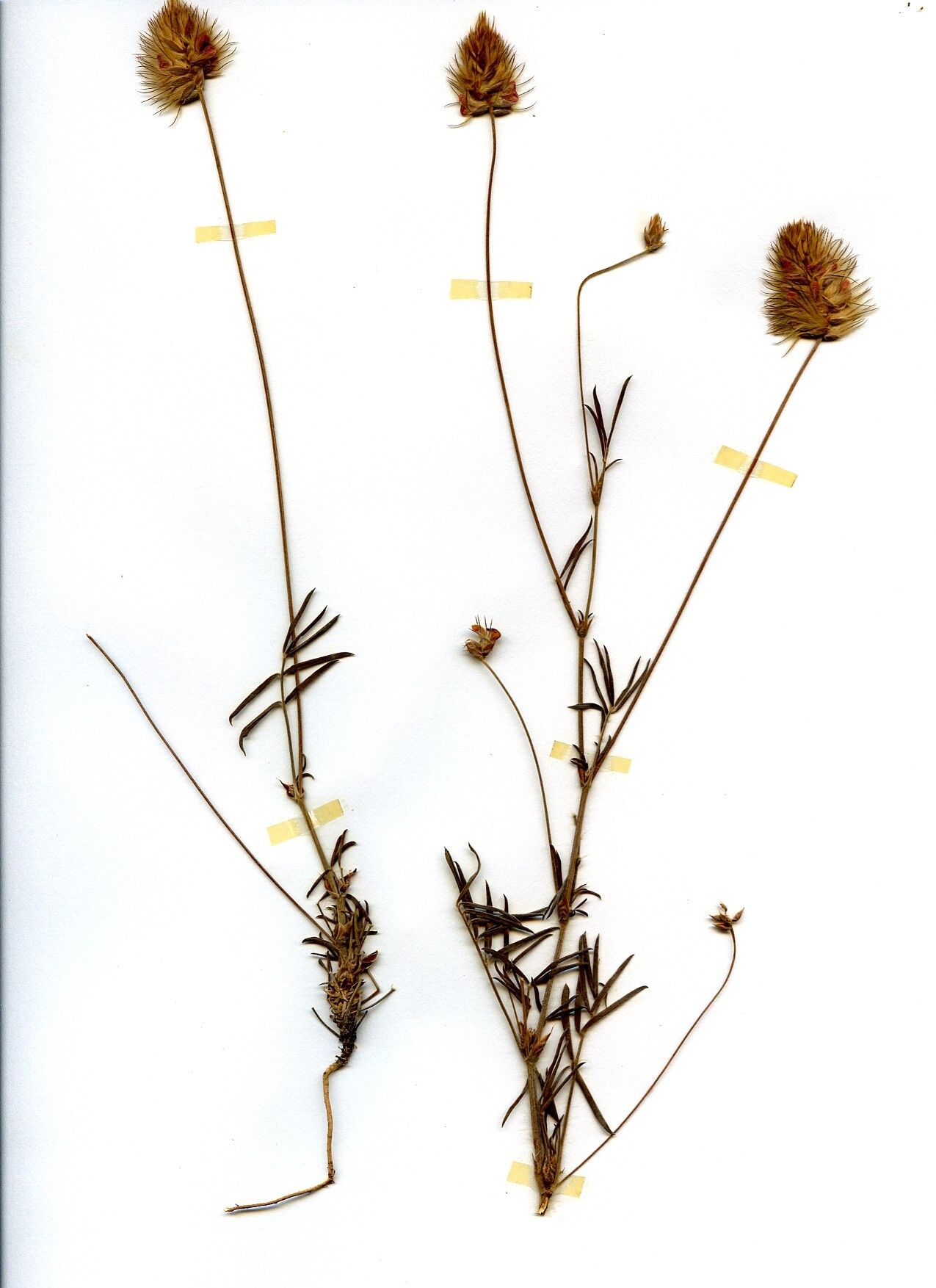
Hello fellow garden enthusiasts! You know, there are some plants that just steal your heart with their delicate beauty and unique charm. Ebenus pinnata is one of those for me. Its feathery foliage and charming blooms add such an ethereal touch to the garden. And the best part? Sharing that beauty is wonderfully rewarding. Today, I want to walk you through how to propagate this lovely plant. Don’t let its elegant appearance fool you; Ebenus pinnata can be a bit of a thoughtful prop, so it’s not typically a beginner’s absolute first plant, but with a little care and attention, you’ll absolutely be successful.
The Best Time to Start
For the highest success rate, I find the late spring to early summer is your golden window. This is when the plant is actively growing, energized by longer days and warmer temperatures. You’re looking for young, pliable stems that haven’t yet started to harden off. Think of it as capturing that youthful vigor!
Supplies You’ll Need
Gathering your supplies beforehand makes the whole process much smoother. Here’s what you’ll want:
- Clean, sharp pruning shears or a sharp knife: For making precise cuts.
- Rooting hormone (optional but recommended): Especially helpful for encouraging faster root development.
- A well-draining potting mix: I like a blend of peat moss or coco coir, perlite, and a little compost. You want it light and airy.
- Small pots or propagation trays: Cleanliness is key here!
- Clear plastic bags or propagation domes: To create a humid environment.
- Watering can with a fine rose: For gentle watering.
Propagation Methods
Ebenus pinnata is most commonly propagated from stem cuttings. It’s quite straightforward once you get the hang of it.
- Take Your Cuttings: Select healthy, non-flowering shoots from your parent plant. Using your clean shears, make a cut just below a leaf node (where a leaf attaches to the stem). Aim for cuttings that are about 4-6 inches long. Remove the lower leaves from the cutting, leaving just a couple of leaves at the top to reduce moisture loss.
- Prepare the Cuttings: If you’re using rooting hormone, dip the cut end of the stem into it. Gently tap off any excess.
- Plant Your Cuttings: Fill your small pots or trays with your prepared potting mix. Make a small hole in the center with your finger or a pencil. Insert the cutting into the hole, ensuring the leaf nodes are buried. Gently firm the soil around the base of the cutting.
- Create a Humid Environment: Water the soil gently. Then, cover the pots with clear plastic bags, securing them with a rubber band, or place them under a propagation dome. This humidity is crucial for preventing the cuttings from drying out before they can form roots.
The “Secret Sauce” (Pro Tips)
Here are a few little tricks I’ve picked up over the years that really make a difference:
- Don’t let the leaves touch the water: If you’re doing water propagation (less common for Ebenus but possible), ensure the leaves aren’t submerged. Rot is the enemy here, and wet leaves are a fast track to it. With soil propagation, just make sure your removed lower leaves don’t press against the soil surface too much.
- Bottom heat is your best friend: A heated propagation mat placed underneath your pots can dramatically speed up root formation. It mimics the warmth of spring soil and gives those tiny root cells a fantastic boost.
- Be patient with your parent plant: Make sure your parent plant is healthy and well-established before you start taking cuttings. Stressed or weak plants are less likely to yield successful propagations. Give them a good feed and watering a week or two before you plan to take cuttings.
Aftercare & Troubleshooting
Once your cuttings are planted, place them in a bright spot out of direct sunlight. Keep the soil consistently moist but not waterlogged. Mist the leaves occasionally if you’re not using a plastic bag or dome.
You’ll know your cuttings are rooting when you see new growth or feel a gentle tug when you lightly pull on a stem. This can take anywhere from 4 to 8 weeks, sometimes longer.
The most common issue you’ll encounter is rot. If a cutting turns black and mushy, it’s a sign of too much moisture and not enough air circulation. Unfortunately, these are usually lost. Prevention is key: good drainage, not overwatering, and adequate air flow once roots begin to form. If you spot mold, gently wipe it away and improve ventilation.
A Little Patience Goes a Long Way
Propagating plants is a journey, and like any good journey, it requires a bit of patience. Don’t be discouraged if not every cutting takes. Each attempt is a learning opportunity! Enjoy the process of nurturing these tiny new lives, and soon you’ll have more of these gorgeous Ebenus pinnatas to share and enjoy. Happy propagating!
Resource:
https://identify.plantnet.org/k-world-flora/species/Ebenus%20pinnata%20Aiton/data