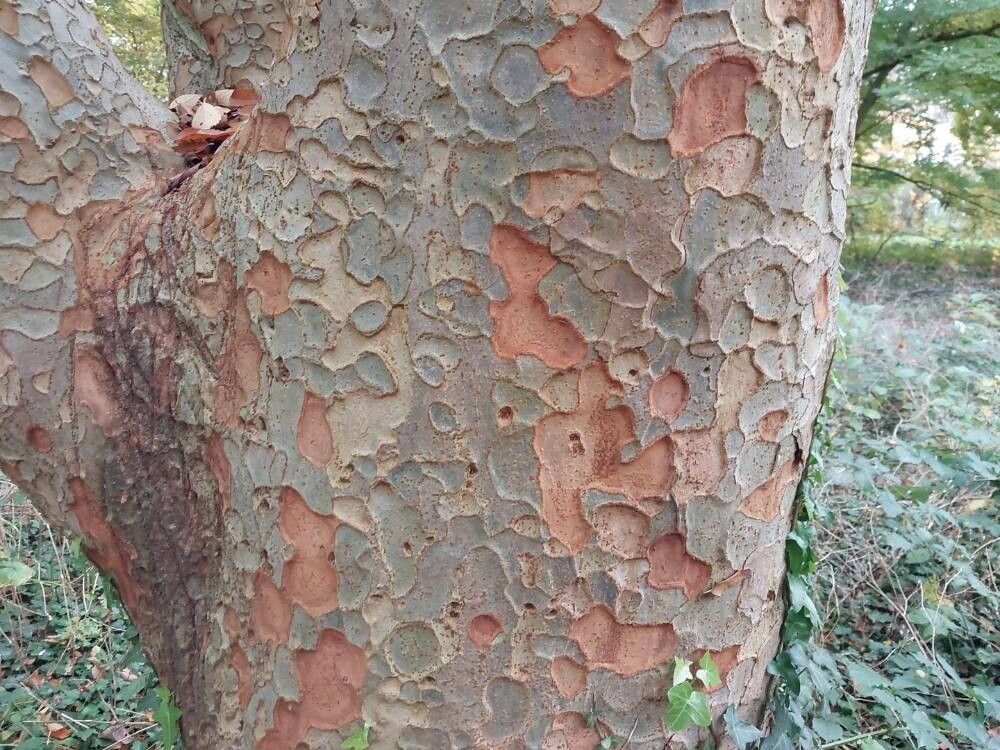
Oh, hello there! Pull up a chair and let’s chat about one of my absolute favorite trees, Zelkova sinica. You know, the Chinese Elm? It’s such a graceful tree, with its beautiful branching habit and tough-as-nails resilience. Watching a tiny cutting transform into a thriving young tree is truly one of gardening’s great joys, and Zelkova is a wonderfully rewarding one to learn to propagate. While it’s not quite “stick it in the ground and forget it” easy, especially for absolute beginners, it’s definitely achievable with a little care and attention – think of it as a delightful challenge!
The Best Time to Start
For Zelkova, I’ve found the sweet spot for propagation is mid-spring to early summer. This is when the plant is actively growing, brimming with energy. You want to take cuttings from new growth that is semi-hardwood. This means it’s no longer soft and floppy like brand-new shoots, but not yet fully woody and mature. It should snap cleanly when bent, rather than creasing.
Supplies You’ll Need
Gathering your tools ahead of time makes the whole process so much smoother. Here’s what I recommend:
- Sharp Pruning Shears or a Craft Knife: Clean cuts are crucial.
- Rooting Hormone: A good quality powder or gel really gives cuttings a boost.
- Well-Draining Potting Mix: I like a blend of perlite, peat moss, and a bit of compost. You can also buy specific potting mixes for cuttings.
- Small Pots or Seed Trays: Clean ones, of course!
- Clear Plastic Bags or a Propagator: To maintain humidity.
- Watering Can with a Fine Rose: For gentle watering.
- Labels and a Permanent Marker: Trust me, you’ll thank yourself later!
Propagation Methods
Let’s dive into how we can get a new Zelkova started from an existing one.
Stem Cuttings
This is my go-to method for Zelkova.
- Take Your Cuttings: In mid-spring to early summer, select healthy, semi-hardwood stems. Aim for cuttings about 4-6 inches long. Make a clean cut just below a leaf node (where a leaf attaches to the stem).
- Prepare the Cuttings: Gently remove the lower leaves, leaving only a few at the top. If the top leaves are very large, you can snip them in half to reduce water loss.
- Apply Rooting Hormone: Dip the cut end of each cutting into your rooting hormone, tapping off any excess.
- Plant the Cuttings: Fill your small pots with your prepared potting mix. Make a small hole with a pencil or your finger, then insert the cutting, ensuring the rooting hormone is in contact with the soil. Firm the soil gently around the base. You can plant several cuttings in one pot, making sure they aren’t touching each other.
- Water Gently: Water the soil thoroughly but gently.
- Create a Humid Environment: Place the pots inside a clear plastic bag, securing it loosely around the pot with a rubber band, or place them in a propagator. This traps humidity, which is vital for cuttings while they root.
Water Propagation (with a caveat!)
While I personally prefer soil, you can try water propagation for Zelkova.
- Prepare Cuttings: Follow steps 1 and 2 above.
- Place in Water: Put the prepared cuttings in a clean jar or vase filled with water. Crucially, ensure no leaves are submerged. Leaves in water will rot and can take your cutting down with them. Submerge only the stem.
- Change Water Regularly: Change the water every few days to keep it fresh and prevent algae growth.
- Observe: Keep an eye out for tiny white roots forming. Once roots are about an inch long, you’ll need to pot them into soil. This transition can be a bit delicate.
The “Secret Sauce” (Pro Tips)
Here are a few things I’ve learned over the years that can make a real difference:
- Bottom Heat is Your Friend: If you can, place your pots on a seedling heat mat. This little bit of warmth from below encourages root development like magic! It mimics the conditions they’d find in warmer soil.
- Don’t Be Afraid to Vent: While humidity is essential, you don’t want your cuttings sitting in stagnant air, which can lead to fungal issues. Open the plastic bag or propagator lid for a few minutes each day to allow for some air circulation.
- Patience with the Leaf Test: When you think your cuttings might have rooted, give them a gentle tug. If there’s resistance, they’ve likely got roots! If they come out easily, they haven’t rooted yet. Don’t be discouraged if it takes several weeks.
Aftercare & Troubleshooting
Once you see signs of new growth, like tiny leaves emerging from the top, you know you’re on the right track!
- Acclimatize Gradually: As your new plants get stronger, start slowly reducing the humidity. Gradually open the plastic bag or propagator lid over a week or two.
- Watering is Key: Keep the soil consistently moist but not waterlogged. It’s better to water thoroughly when the top inch of soil feels dry.
- Signs of Trouble: The most common issue is rot, often indicated by stems turning black and mushy. This is usually due to overwatering, poor drainage, or a lack of air circulation. If you see this, unfortunately, that cutting is likely lost. You might also see wilting if the humidity isn’t high enough or the cuttings haven’t rooted yet.
A Little Encouragement
Propagating Zelkova sinica is a wonderful journey. Some cuttings will take off, others might not – that’s just part of gardening! Learn from each attempt, celebrate the successes, and most importantly, enjoy the process of coaxing new life from your beloved trees. Happy propagating!
Resource:
https://identify.plantnet.org/k-world-flora/species/Zelkova%20sinica%20C.K.Schneid./data