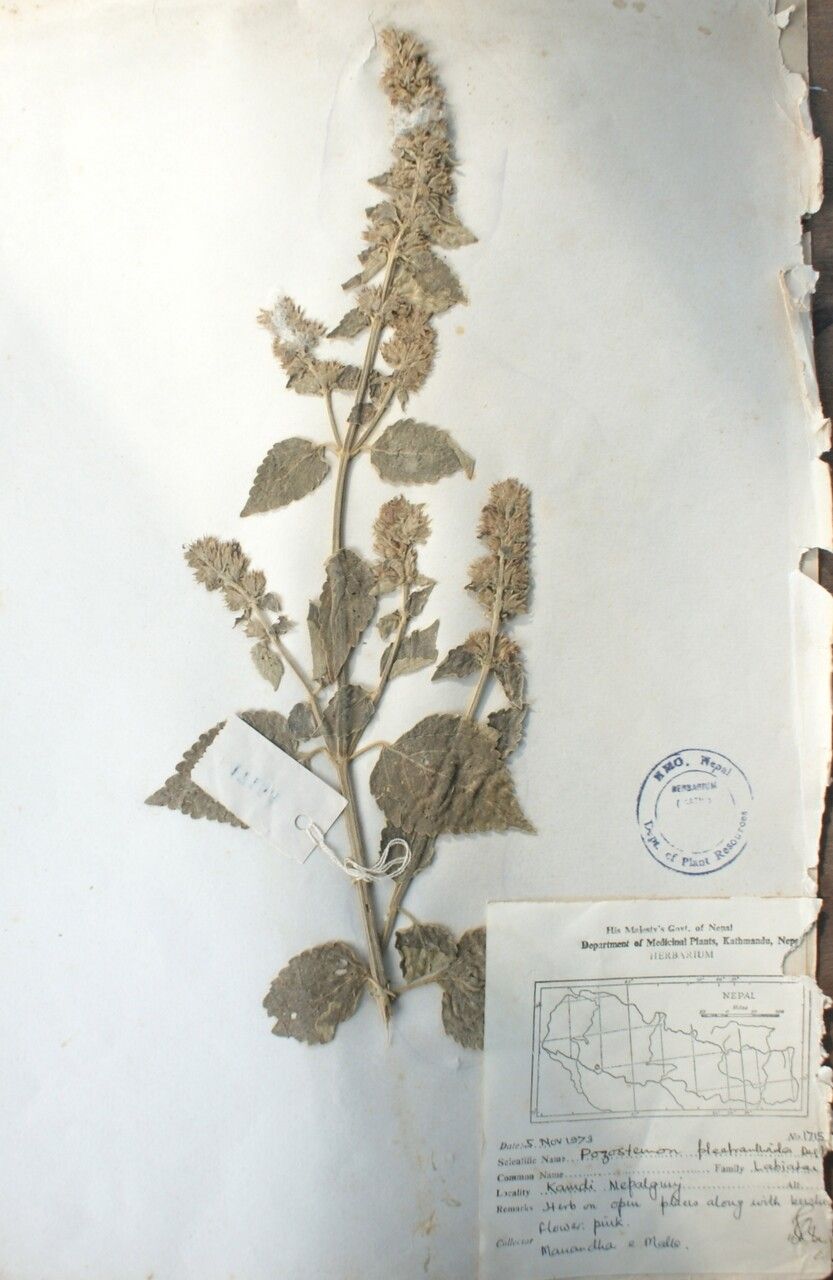
Hello, green thumbs! I’m so excited to chat with you today about one of my absolute favorite plants: Pogostemon plectranthoides. If you haven’t met this beauty yet, imagine delicate, fuzzy leaves with a subtly sweet, minty fragrance. It’s a stunner for hanging baskets, edging beds, or even just tucked onto a sunny windowsill. And the best part? It’s incredibly rewarding to share its beauty by propagating it! For beginners, I’d say it’s moderately easy. It has a few quirks, but once you learn them, you’ll be making more plants in no time.
The Best Time to Start
My personal sweet spot for propagating Pogostemon plectranthoides is late spring through early summer. This is when the plant is really in its growth spurt, meaning cuttings will have plenty of energy to put into rooting. The days are longer, and the temperatures are generally warm and consistent, which creates an ideal environment for new growth.
Supplies You’ll Need
Gathering your tools beforehand makes the whole process much smoother. Here’s what I usually have on hand:
- Sharp pruning shears or a clean knife: For making precise cuts.
- Small pots or seedling trays: With drainage holes, of course!
- A good quality potting mix: I lean towards a well-draining mix, often amending my regular potting soil with perlite or coarse sand. A blend designed for succulents or cacti works wonderfully.
- Rooting hormone (optional but recommended): This really gives cuttings a boost. I prefer a powdered form.
- Clean water: For watering and for water propagation.
- A spray bottle: To mist your cuttings.
- A clear plastic bag or humidity dome: To create a miniature greenhouse.
- Labels: To keep track of which plant is which!
Propagation Methods
I find stem cuttings to be the most reliable and rewarding way to multiply my Pogostemon plectranthoides.
Stem Cuttings:
- Select a healthy mother plant. Look for vigorous, non-flowering stems.
- Take cuttings. Using your sharp shears or knife, make a clean cut about 3-4 inches long. Aim for stems that have at least a few sets of leaves. Cut just below a leaf node (where the leaves attach to the stem).
- Prepare the cuttings. Gently remove the lower leaves from the bottom half of each cutting. This prevents them from rotting in the soil or water.
- Apply rooting hormone (optional). Dip the cut end of each stem into your rooting hormone, tapping off any excess.
- Plant your cuttings. Fill your small pots or trays with your prepared potting mix. Make a small hole with your finger or a pencil and insert the cutting, firming the soil gently around its base.
- Water gently. Water thoroughly to settle the soil.
- Create humidity. Cover the pots with a clear plastic bag, ensuring the leaves don’t touch the plastic, or use a humidity dome. Place them in a bright location, but out of direct sunlight.
Water Propagation:
This is a fun alternative, especially if you’re feeling impatient!
- Follow steps 1-3 above for preparing your cuttings.
- Place cuttings in a jar of clean water. Ensure the leaf nodes you removed are submerged, but keep the remaining leaves above the waterline.
- Change the water every few days. This keeps it fresh and prevents bacterial growth.
- Place in bright, indirect light.
- Wait for roots! You should see new roots appearing in a couple of weeks. Once they are about an inch long, you can transplant them into soil following step 5 above.
The “Secret Sauce” (Pro Tips)
Here are a couple of tricks I’ve learned over the years that often make a big difference:
- Don’t overcrowd your cuttings. Give them a little breathing room in their pots. Overcrowding can lead to poor air circulation and increase the risk of fungal issues. If you’re using a tray, plant them at least an inch apart.
- Bottom heat is your friend. If you can, place your potted cuttings on a heat mat designed for seedlings. This gentle warmth from below encourages root development much faster than just ambient room temperature alone. You’ll be amazed at the results!
Aftercare & Troubleshooting
Once you see signs of new leaf growth, you know roots are forming!
- Acclimate them slowly. Gradually remove the plastic bag or dome over a week or so to let them adjust to normal humidity levels.
- Water when the top inch of soil feels dry. Be careful not to overwater; they’re still delicate.
- Watch for rot. If your cuttings start to turn mushy or develop blackening at the base, it’s usually a sign of too much moisture and poor air circulation. If this happens, try taking a new cutting, ensuring it’s in a well-draining mix, and providing slightly less water. Sometimes, you just have to accept that not every cutting will make it – it’s part of the gardening dance!
A Little Patience Goes a Long Way
Propagating our green friends is such a rewarding part of gardening. It’s a chance to create more beauty for our homes and to share with friends. Be patient with your Pogostemon plectranthoides cuttings; they’ll tell you when they’re ready. Enjoy the process, and happy propagating!
Resource:
https://identify.plantnet.org/k-world-flora/species/Pogostemon%20plectranthoides%20Desf./data